30 Aug 2025 - {{hitsCtrl.values.hits}}
Sri Lanka’s Colombo district recorded a 1.2 percent increase in consumer prices in August from a year ago, turning from a 0.3 percent decline in prices continued through July, ending the 11-month spell of negative inflation, which set off in September last year.
August was largely expected to return to positive prices after a series of decelerating negative inflation readings in the lead up to the August print.
The August inflation print is also in line with the Central Bank’s inflation forecast, which projected inflation to return to positive from the third quarter, before reaching its 5.0 percent medium-term target by the middle of 2025.
Despite the annual prices resumed rising, predominantly due to the lower base effects last year, the prices measured monthly fell 0.4 percent in August, rising from the 0.2 percent decline in July.
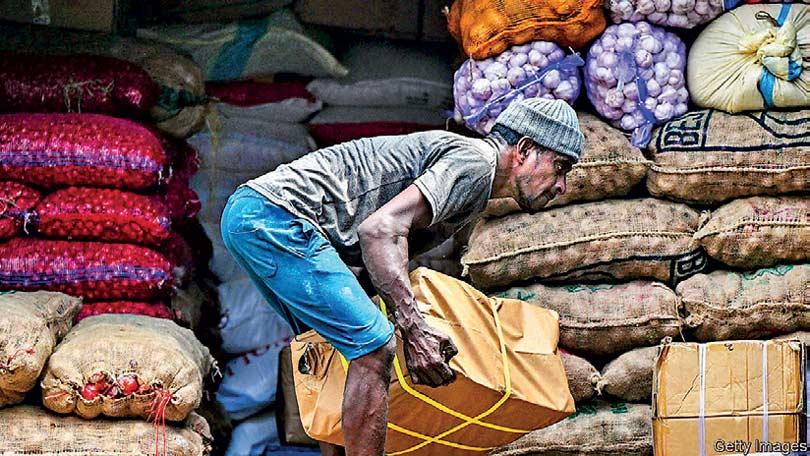
This was due to the mostly lower food prices in August compared to July levels. For instance, the food prices measured monthly fell 1.5 percent in August from July levels, after falling 2.5 percent in July. This was mainly due to the decline in the prices of commodities such as rice, sea fish, dried fish, eggs, fresh fruits, vegetables, red onions, green chilies, salt and the likes in August, which outstripped the modest increase in prices of chicken, milk powder, coconut and coconut oil and the likes.
However, the annual food prices rose by 2.0 percent, picking up from a 1.5 percent rise through July 2025.
Meanwhile, the non-food prices rose by a modest 0.2 percent in August, slowing from the 1.0 percent increase in July, which was mainly caused by the increase in the electricity tariff hike, effects of which petered out by August.
The prices of petrol and diesel rose but much more modestly while what the people spent on tuition fees too rose, albeit their rises were so modest that their total impact was mild on the overall index.
The non-food price changes measured annually rose by 0.8 percent, turning from a negative 1.2 percent through July.
Meanwhile, the so-called core prices, measured barring the often-volatile items such as food, energy and transport, rose by 2.0 percent in the year through August, picking up from a 1.6 percent increase through July. This reflects the firming up of underlying price pressures in the economy.
Delivering the 75th anniversary oration yesterday, Central Bank Governor Dr. Nandalal Weerasinghe emphasised the importance of preserving the Central Bank independence to ensure sustained price and financial system stability.
He referred back to periods of red-hot inflation and economic turmoil as near as in 2022, where Sri Lanka had to learn its lessons more painfully as a result of compromising the Central Bank independence by yielding to the pressures from the government by allowing fiscal dominance over the monetary policy.
20 Jul 2026 20 Jul 2026
20 Jul 2026 20 Jul 2026
20 Jul 2026 20 Jul 2026
20 Jul 2026 20 Jul 2026
20 Jul 2026 20 Jul 2026