 SHABIYA ALI AHLAM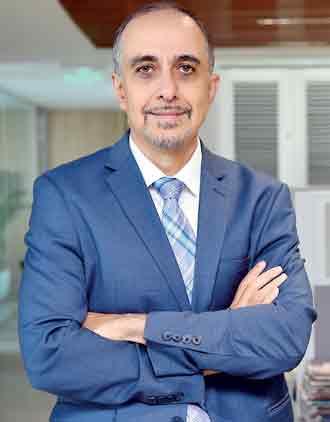
Reply To:
Name - Reply Comment
By Shabiya Ali Ahlam
|
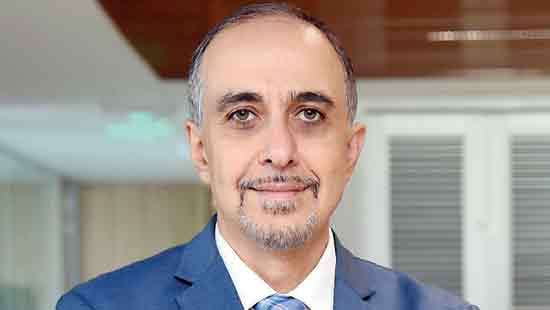
Gevorg Sargsyan |
Sri Lanka has moved past its 2022 economic crisis, but its recovery remains “far from over,” the World Bank’s Country Manager for Sri Lanka and the Maldives said, warning that the country must now convert stability into competitiveness and jobs.
“Has Sri Lanka moved beyond the immediate crisis? Yes. Is the recovery over? Far from it,” Gevorg Sargsyan said in an exclusive interview with Mirror Business.
Sri Lanka has seen key indicators improve sharply. Economic growth has rebounded to around 5 percent, inflation has returned to single digits, foreign reserves have expanded from about US$ 500 million at the height of the crisis to more than US$ 5 billion, and debt levels have begun to decline.
The World Bank last week reclassified Sri Lanka as an upper-middle-income economy, calling it a “story of recovery” after growth expanded by 5 percent in 2025. The Washington-based lender noted, however, that the country had only narrowly crossed the income threshold, underscoring both the progress made since the crisis and the reforms needed to secure lasting gains.
Despite that progress, more than one in five Sri Lankans remain in poverty, about a third of households continue to face food insecurity, and wages for many workers have yet to recover to pre-crisis levels.
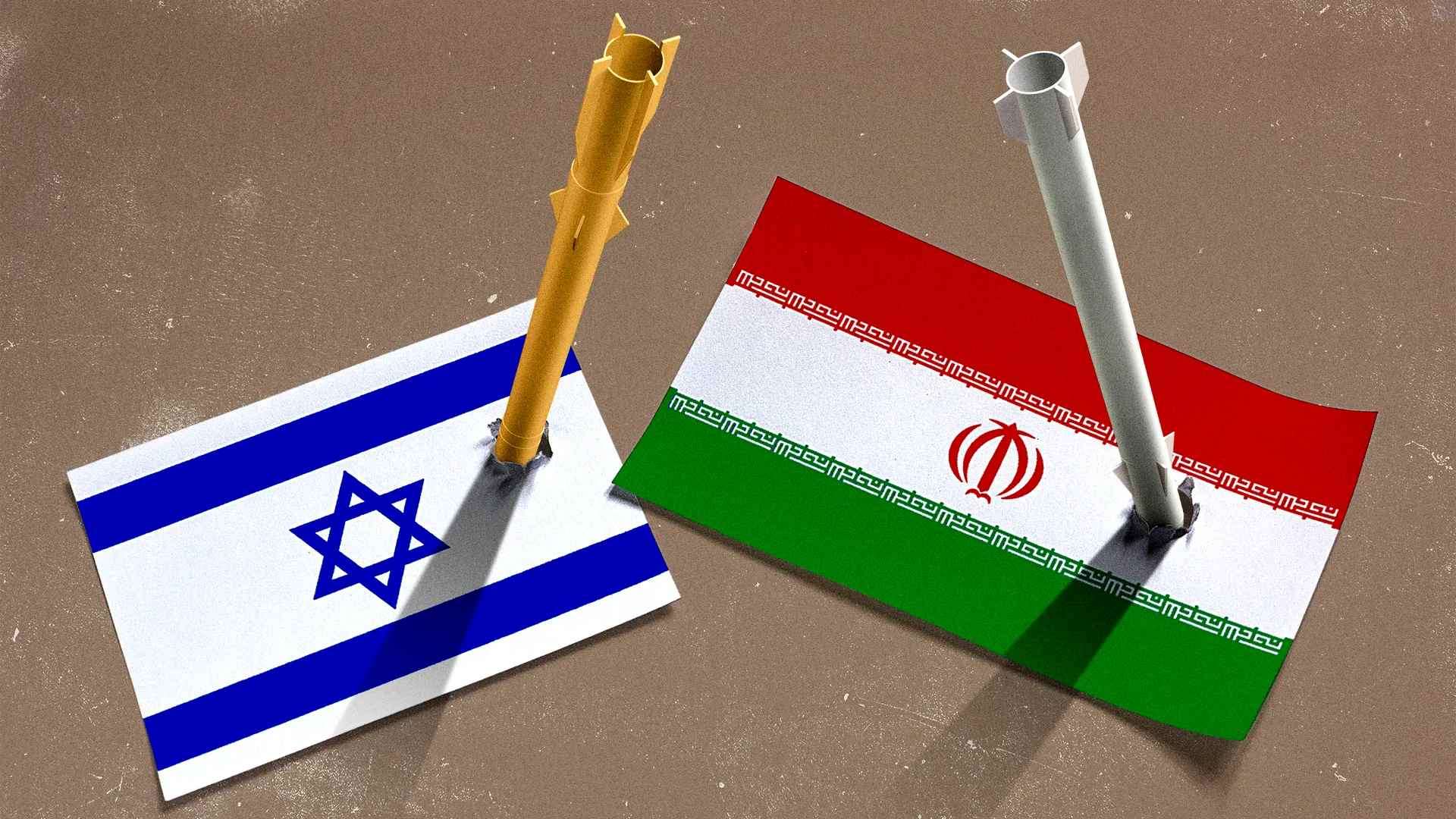
“The recovery is not yet broad-based or inclusive. External shocks, including Cyclone Ditwah and the Middle East conflict, have made the road harder.”
The next phase of recovery, Sargsyan argued, cannot rely on stabilisation measures alone. It must be built on stronger productivity, greater competitiveness and deeper integration with global markets.
Asked which reform Sri Lanka could least afford to delay, he said: “Genuinely opening the economy to the world.”
He went on to assert that every economy which had moved from low-income to high-income status had done so by expanding exports, attracting investment and integrating into global value chains.
Sargsyan noted that Sri Lanka has grown steadily less integrated into global trade: exports as a share of GDP fell from nearly 40 percent in 2000 to around 23 percent by 2019. The country’s export basket has remained largely unchanged over that period, he said, even as para-tariffs and other trade barriers raised the cost of imported inputs, weakening export competitiveness.
“Protectionism has never been a path to prosperity. It has only ever been a path to stagnation,” he added.
He warned that the cost of delay is rising as global supply chains are reshaped and countries across Asia compete aggressively for investment.
“Every year Sri Lanka waits is a year of lost investment, lost jobs, and missed opportunities that will be very difficult to recover,” he said.
Read the full-page exclusive interview, ‘Sri Lanka has survived its crisis. Or has it?’ on https://www.dailymirror.lk/business-news/Sri-Lanka-has-survived-its-crisis-Or-has-it/273-345454.