Reply To:
Name - Reply Comment
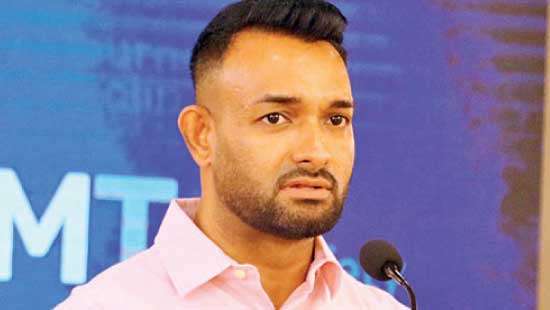
By Ali Sabry
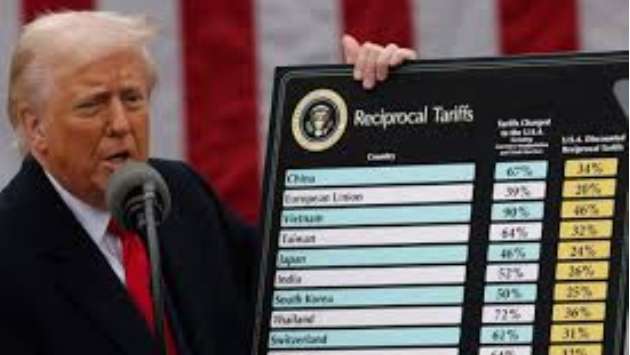
Colombo, April 23 (Daily Mirror) - The Trump administration’s move to slap a 44% tariff on Sri Lankan exports, currently on pause, but not off the table is a textbook example of policy driven by headline numbers, not economic reality.
The excuse? A trade deficit in goods.
The truth? That’s a narrow, outdated metric that misses the bigger picture and ends up hurting both countries.
Start with the basics - Sri Lanka is a developing nation with a GDP per capita around $4,000. The U.S. clocks in at $80,000. That gap should trigger policies that support growth, not punish it.
Yes, Sri Lanka sells more goods to the U.S. than it buys. But that’s just one piece of the puzzle. The real measure of trade health is the current account, which includes:
Here’s what doesn’t show up in the “goods deficit” narrative:
All of this money flows out of Sri Lanka often into American pockets. So no, there’s no unfair advantage here. There’s a two-way street. The problem is, this administration is only looking in one direction.
Worse, this isn’t just about numbers. Tariffs like this choke off growth in countries trying to climb the development ladder. When economies like Sri Lanka’s expand, they become stable markets, increase demand, and buy more of what America excels at, services.
Want more students in U.S. universities? More subscriptions to U.S. platforms? More stable regions that trade with rather than borrow from the West? Then give them room to grow.
A 44% tariff won’t “fix” a trade imbalance. It’ll just squeeze a struggling economy, hurt American companies with supply chains in Sri Lanka, and push a partner closer to geopolitical rivals.
Bottom line - Tariffs based on a narrow slice of data are lazy economics. This one punishes development, ignores the real flows of trade, and backfires on U.S. interests.
If the goal is smarter trade policy, this isn’t it.
Let’s hope someone in Washington is still thinking long-term.
(The writer served as a former Finance and Foreign Affairs Minister of Sri Lanka)