Reply To:
Name - Reply Comment
Sri Lanka this week joined the world in marking World Standards Day, but most people and independent analysts are raising questions as to whether this was just a one-day commemoration and whether standards in vital areas such as food and medicinal drugs were just dead letters.
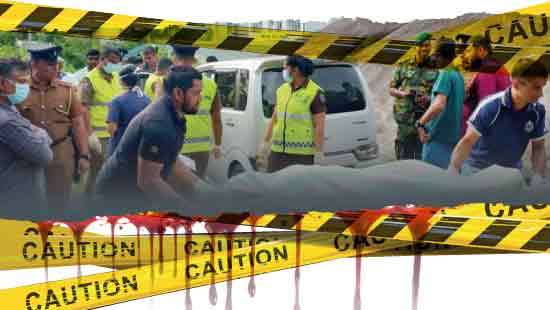
.jpg) In the life or death field of food safety and security - the essence of a healthy nation and thereby a wealthy nation - there are many state authorities and institutions maintained at a high cost in public funds. But they do little in terms of monitoring and enforcing regulations for the well-being and welfare of the people. This is widely seen in items ranging from water to supposedly super-luxury imported foods. Officials say there are more than 100 varieties of bottle water being sold at fancy prices, but only about 25% of them have been checked and approved by the Sri Lanka Standards Institution (SLSI). Others carry a counterfeit stamp of approval with impressive labels and stoppers, but inside may be water from a wayside tap. While the people have a responsibility to check and double check before buying, the Rajapaksa regime is also failing in its responsibility to safeguard the people from undiluted racketeers. Top officials involved in this should be called to account and action taken against them. But accountability in Sri Lanka these days is not even in the account books. As for other food items including imported milk powder, there has been little regulation or monitoring until the Industrial Standards Institute (ISI) recently bought hi-tech equipment and found possibly harmful chemicals in certain varieties of imported milk powder. The ISI which functions under the new Scientific Research and Technology Minister Champika Ranawaka has pledged to test other products and also name and shame producers of harmful food. But other state institutions like the Consumer Affairs Authority and the Health Ministry’s Food Control Authority also need to act more effectively because most analysts believe that after 1977 Sri Lanka has become a dumping ground for junk foods and processed rubbish. Some imported fruits like apples are known to be months if not years old, because harmful chemicals have been used as preservatives. Such is the case with many other imported food items where preservatives have been used and expiry dates changed while the elite and the new-rich gleefully buy them as a status symbol though what they are doing amounts to consuming a little poison every day.
In the life or death field of food safety and security - the essence of a healthy nation and thereby a wealthy nation - there are many state authorities and institutions maintained at a high cost in public funds. But they do little in terms of monitoring and enforcing regulations for the well-being and welfare of the people. This is widely seen in items ranging from water to supposedly super-luxury imported foods. Officials say there are more than 100 varieties of bottle water being sold at fancy prices, but only about 25% of them have been checked and approved by the Sri Lanka Standards Institution (SLSI). Others carry a counterfeit stamp of approval with impressive labels and stoppers, but inside may be water from a wayside tap. While the people have a responsibility to check and double check before buying, the Rajapaksa regime is also failing in its responsibility to safeguard the people from undiluted racketeers. Top officials involved in this should be called to account and action taken against them. But accountability in Sri Lanka these days is not even in the account books. As for other food items including imported milk powder, there has been little regulation or monitoring until the Industrial Standards Institute (ISI) recently bought hi-tech equipment and found possibly harmful chemicals in certain varieties of imported milk powder. The ISI which functions under the new Scientific Research and Technology Minister Champika Ranawaka has pledged to test other products and also name and shame producers of harmful food. But other state institutions like the Consumer Affairs Authority and the Health Ministry’s Food Control Authority also need to act more effectively because most analysts believe that after 1977 Sri Lanka has become a dumping ground for junk foods and processed rubbish. Some imported fruits like apples are known to be months if not years old, because harmful chemicals have been used as preservatives. Such is the case with many other imported food items where preservatives have been used and expiry dates changed while the elite and the new-rich gleefully buy them as a status symbol though what they are doing amounts to consuming a little poison every day.
Not only imported food items, even the local varieties are known to be polluted by the excessive use of chemical fertilizers, weedicides and pesticides. Trans-national companies are known to be giving incentives to farmers to use excessive amounts of agro-chemicals. It may give a bigger harvest, but for millions of people, including children, it means eating poison every day and they end up with various ailments, including some which turn out to be fatal. This is the bad fruit of selfishness, self-centredness and greed that grows from the globalised capitalist market economic system. Leaders of different religions have warned against this wickedness and sin, but the system goes on and makes millions of people suffer, to gratify the greed and selfishness of a few.
As for medicinal drugs, the gory story fits into a mortuary. While government leaders are obviously lying about the legislation to implement Professor Senaka Bibile’s essential medicines concept, thousands of varieties of substandard or counterfeit drugs are being imported and prescribed. The National Medicinal Drugs Policy based on the concepts of Professor Senaka Bibile, proposes the setting up of an independent Medicinal Drug Regulatory Authority to control and monitor the import, prescription, and sale of drugs. But the NMDP is apparently in some detective fiction graveyard, while health action groups are concerned whether the current regulatory authority is working for the people of Sri Lanka or promoting the economic neo-colonialism of powerful trans-national corperations.