Leopards face multiple anthropogenic pressures due to the increasing human population. On the one hand, they face habitat fragmentation, thereby losing habitats that they once roamed around
Reply To:
Name - Reply Comment
|
|
Just three days after Sri Lanka commemorated leopard day on August 1, the skinned carcass of a leopard was recovered from the Maduru Oya National Park on Monday. Despite this species being recognised as an iconic and charismatic species, poachers continue to prey on this elusive cat. Anybody who have had the luxury of going on a safari at Wilpattu and/or Yala National Parks would know how difficult it is to spot a leopard in its natural habitat.
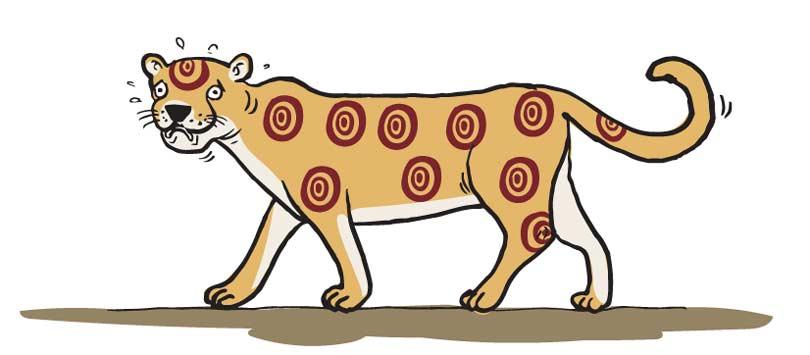
Leopards face multiple anthropogenic pressures due to the increasing human population. On the one hand, they face habitat fragmentation, thereby losing habitats that they once roamed around. Their only ecosystems are being encroached by people, putting up snares in order to catch wild boar. Leopard predation on livestock had resulted in retaliatory killings. On the other hand the lack of sufficient land available for cattle grazing and the release of large herds of cattle inside the national park aggravates the leopard-livestock conflict. Accounts of cattle owners expressing their hatred towards leopards, making comments to the effect that are experts at killing leopards have been highlighted by conservationists and previous examples of efforts to smuggle leopard body parts using sophisticated methods highlight the concerning situation at hand.
At one point, suspicions arose as to whether leopards were being killed for their body parts. Mythical beliefs indicate that certain leopard body parts are used as aphrodisiacs in certain cultures. On the other hand, conservationists have drawn links between the spike in the bush meat trade and leopard deaths. There were lawsuits being filed, removal of snares mainly by the private sector in order to conserve this iconic, flagship species.
Recently, two police sergeants were arrested for killing a pregnant deer in a forest reserve in Matale. The villagers subsequently tied three suspects to trees and had informed the Galkiriyagama Wildlife Office and Makulugaswewa Police. The involvement of the police in such heinous crimes indicate that the people appointed to maintain law and order in the country are now comfortable with breaking the law.
There have been limited interventions made to protect the gentle giants of the jungle. Each year the conflict worsens with no concrete solutions. Subject experts have drafted various plans to mitigate the human-elephant conflict but these recommendations have fallen on deaf ears. The Managed Elephant Reserve (MER) in Hambantota for instance has now become a haven for various commercial projects such as stone quarries and solar farms. Hambantota is in high demand for proposed solar farms and many of these proposed lands are elephant habitats. So it is normal for elephants to find alternative areas to live in. As a result they would move towards the villages in search of food. Electric fences have done little to mitigate this conflict and oftentimes illegally put up electric fences have electrocuted elephants, further aggravating the issue at hand.
So time is certainly limited and there’s absolutely no time for trials and errors. A wildlife underpass that was constructed to allow elephants to travel through in Galgamuwa never saw light of day except for a signboard that was put up a few days prior to the groundbreaking ceremony. Many elephants in Galgamuwa have become vulnerable to the human-elephant conflict and people wonder for how long they would be able to witness the herd of elephants that are used to cross the road, led by the magnificent tusker Kavantissa.
In this backdrop the government could either remain uninterested leaving the animals to die or expedite actions to safeguard the remaining species of wildlife. Soon there will be a day when Sri Lanka’s last remaining leopard (as well as elephant) would make it to the headlines, by which time all attempts made to conserve these iconic beings would be in vain. The time is, certainly, ticking….