Reply To:
Name - Reply Comment
One of the biggest concerns is how the media reports on child abuse and abductions of teenagers, who are still in school. Often, the media forgets that once the ordeal concludes, these victims have to return to school and continue their education and lives as well.
The media is known as the watchdog of the nation. However, when the public is annoyed with how events are reported on, the media is often at the receiving end.
As much as the media often does a commendable job in dispensing news, there are occasions when prejudice or biases creep in. We saw this happen during the time when there was a civil war in this island.
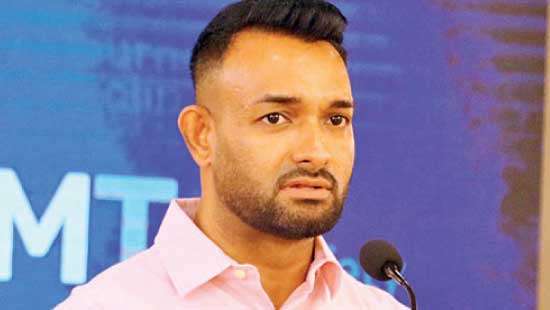
This could be the reason why Media Minister Dr. Nalinda Jayatissa had a meeting with media representatives recently and invited them to help formulate a national media policy.
The minister must be hailed for getting feedback from media institutes and representatives for this purpose. We came to know that there is a draft paper already prepared for this purpose. But when the media representatives came to know of its content, they were dismayed. This is because the media representatives didn’t play a role in making inputs to this draft paper.
Most newspapers or print media organisations have an in-house newspaper stand in their respective offices. When you look at page one (the cover page) of all the newspapers laid out, the first thought that comes to mind is that each page is a different country! The contrast in news reporting and conveying opinion is so severe.
This writer can remember, as a child, back in 1983, how newspapers reported on the ethnic violence. Most independent newspapers gave massive exposure to the property that was damaged and the mental trauma inflicted on the Tamil people. The state media arm led their news pages with some development programme that was taking place in the country back then. The state media arm later blamed the JVP for creating mayhem in the country during this crisis, which later came to be labelled as ‘Black July’.
One of the biggest concerns is how the media reports on child abuse and abductions of teenagers, who are still in school. Often, the media forgets that once the ordeal concludes, these victims have to return to school and continue their education and lives as well.
Critics are of the opinion that media policies should be established to safeguard the lives of children during occasions when they come under the spotlight and such incidents trigger media attention.
We remember the times when the Rajapaksas ruled the roost in this country. That was a time when teachers were punished by lawmakers for reprimanding the latter’s children. Just imagine what happens to the teacher who suffers humiliation at the hands of political power when names are exposed in the newspapers.
Journalists must always consider the consequences when they engage in their profession. We scribes have fond memories of an editor, now deceased, who decided against publishing the picture of a policeman who was taking on the pillion of his bicycle his own daughter, who was without a helmet. Why? Because the child would get so much negative publicity and unwanted attention at school, in the event that the photograph was carried on the front page of the newspaper.
The other area of concern is when reporting on religious issues. We remember the incidents when towns like Digana and Mawanella were subject to violence in a communal form. In Digana, back in 2018, Muslim shops and religious places of worship were subject to attacks. This was in retaliation for a Sinhalese male being manhandled by four Muslims people. Some sections of the media got carried away in reporting these incidents. There were occasions when some newspapers carrying images displaying the damage caused to the properties of Muslims used a grey tint to hide the extent of damage that was caused. Here, those who went on the rampage were the Sinhalese. But the same newspapers that reported on the damage caused to Buddhist statues published photographs of the same to show how destructive Muslims are in this area.
It will be heartening to see if the government, together with media representatives, bring in policies to safeguard the privacy of children and the minority communities in this country.