Reply To:
Name - Reply Comment
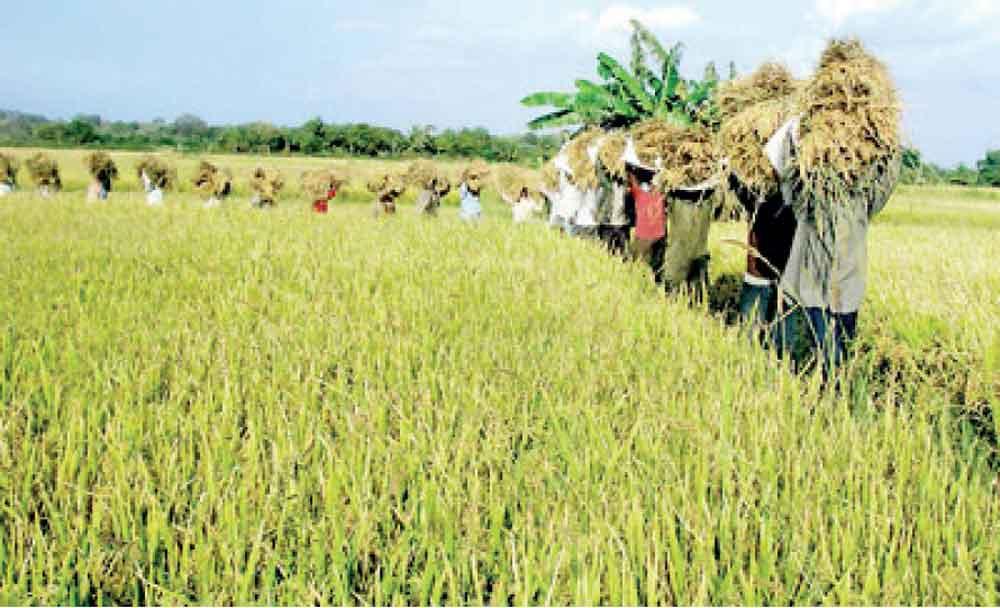
In the future, farmers may still harvest rice, vegetables and grains, but these foods could contain less nutrients
 When we think about climate change, we often picture rising sea levels, devastating floods, prolonged droughts and scorching heatwaves. Yet another consequence is quietly unfolding much closer to our plates.
Scientists now warn that climate change is not only reducing crop yields but also gradually lowering the nutritional value of the food we eat. In the future, farmers may still harvest rice, vegetables and grains, but these foods could contain less protein, iron, zinc and essential vitamins than they do today. This hidden change may become one of the greatest challenges to global food and nutrition security in time to come. For countries like Sri Lanka, where rice is the staple food and climate variability is already affecting agriculture, this issue deserves urgent attention.
Beyond Food Security: The Grand Challenge Is Nutrition Security
For decades, agriculture has focused on producing enough food to feed a growing global population. While this remains essential, scientists now emphasise that producing enough food is no longer sufficient and we must also ensure that the food we grow remains nutritious.
Climate change affects not only the quantity of food crops but also the nutrients they contain. Research from around the world consistently shows that many important food crops are becoming less nutritious under changing climatic conditions. This means that even if harvests remain stable, the nutritional quality of our diets could gradually decline.
Why Is Climate Change Making Our Food Less Nutritious?
Plants need sunlight, water, carbon dioxide, healthy soils and nutrients to grow. Climate change disrupts this delicate balance in several ways.
Higher temperatures speed up plant growth and shorten the grain-filling period, leaving less time for crops to accumulate proteins and minerals. Long droughts reduce soil moisture, making it difficult for plant roots to absorb nutrients. At the same time, intense rainfall and flooding wash nutrients away from the soil and reduce nutrient uptake by roots.
Rising atmospheric carbon dioxide (CO-) creates another unexpected challenge. Although higher CO- often stimulates plant growth and increases crop yields, it also causes what scientists call the “nutrient dilution effect.” Plants produce more carbohydrates such as starch, but their uptake of minerals does not increase at the same rate. As a result, grains contain lower concentrations of essential nutrients.
Simply put, bigger harvests do not always mean healthier food.
Which Nutrients Are
Most at Risk?
Scientific studies consistently show that several essential nutrients are particularly vulnerable under future climate conditions. Among the most affected are protein, iron, zinc, magnesium and several B vitamins.
Protein is essential for growth and body repair. Iron helps prevent anaemia and supports brain development, while zinc strengthens the immune system and promotes healthy growth in children. Magnesium plays an important role in hundreds of metabolic processes that keep the body functioning properly.
Researchers have also reported declines in several B vitamins, particularly in rice. In fruits and vegetables, climate-related stresses can reduce vitamin C and natural antioxidants that help protect the body from disease. These nutritional changes have already been observed in many important food crops, including rice, wheat, maize, legumes, potatoes and a wide range of vegetables. Even relatively small reductions in these nutrients could have significant consequences for public health, particularly in countries that rely heavily on staple foods.
The Hidden Hunger We Cannot See
One of the greatest concerns is the rise of “hidden hunger.”
Unlike ordinary hunger, hidden hunger occurs when people consume enough calories but fail to obtain sufficient vitamins and minerals. A plate of rice may still look the same, yet provide less iron and zinc than it once did.
Globally, more than two billion people already suffer from micronutrient deficiencies. Climate change threatens to worsen this problem, particularly in countries where cereals provide most of the daily diet. Children, pregnant women, older adults and low-income families are likely to be the most affected.
The story of nutritious food begins beneath our feet. Healthy soils contain billions of beneficial microorganisms that help plants absorb nutrients. Climate change disrupts these underground ecosystems by altering soil moisture, temperature and microbial activity.
When soils become degraded or lose organic matter, crops struggle to obtain the nutrients they need. This highlights an important message: protecting soil health is just as important as protecting crop yields. Practices such as applying compost, reducing soil erosion, maintaining soil organic matter and improving water management all help produce more nutritious crops.
Science Is Already Finding Solutions
Fortunately, scientists are not simply identifying problems, they are also developing practical solutions.
Plant breeders are developing new crop varieties that retain higher concentrations of iron, zinc and other nutrients under changing climatic conditions. Biofortification, which naturally increases nutrient levels through plant breeding, is already improving the nutritional value of several staple crops around the world. A well-known example is the “HarvestPlus” programme, which has developed crop varieties naturally enriched with iron, zinc and vitamin A to combat hidden hunger around the world.
Farmers can also protect crop nutrition through balanced fertilizer use, improved irrigation, better soil management and climate-smart agricultural practices. Emerging technologies such as drones, satellite monitoring, artificial intelligence and precision agriculture are helping farmers apply water and nutrients more efficiently while reducing production costs. Researchers are also exploring beneficial soil microorganisms that naturally improve nutrient availability, offering environmentally friendly ways to maintain the nutritional quality of crops.
What Does This Mean
for Sri Lanka?
Sri Lanka is already experiencing rising temperatures, irregular rainfall, prolonged dry spells and more frequent floods. These changing weather patterns affect not only crop production but also the nutritional quality of rice, vegetables, fruits and pulses that form the foundation of our daily diet. As the country works to strengthen food security and improve public health, greater attention must also be given to nutrition security. Investing in climate-smart agriculture, protecting soil health, supporting agricultural research, developing nutrient-rich crop varieties and encouraging more diverse diets will help safeguard the nutritional wellbeing of future generations.
Climate change is quietly transforming the food we eat in ways that most people cannot see. Although the changes may be invisible, their consequences for human health could be profound.
The encouraging news is that science already provides many of the answers. By combining better farming practices, healthier soils, improved crop varieties and informed public policies, we can protect not only the quantity of food we produce but also its nutritional value.
In the years ahead, success in agriculture should no longer be measured simply by the size of the harvest. It should also be measured by how well our food nourishes people. After all, the true purpose of agriculture is not only to feed the world, it is to keep the world healthy.
The writer is a Senior Lecturer in the Department of Crop Science at the Faculty of Agriculture, University of Peradeniya, with expertise in crop science and climate change research and could be reached via email at [email protected])