Reply To:
Name - Reply Comment
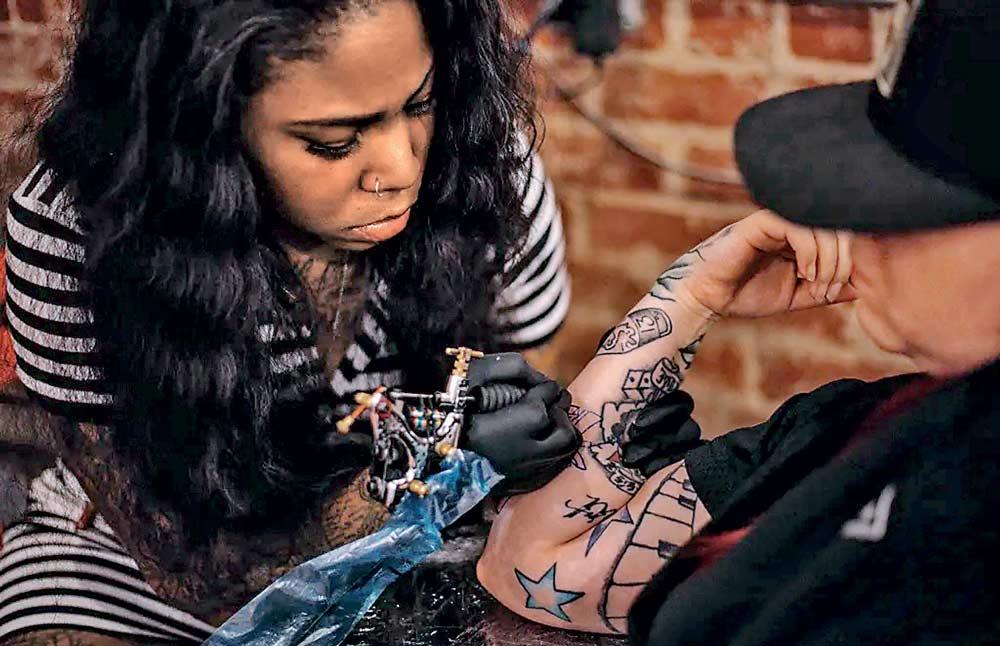
Tattoos for teachers or government workers are not banned in Sri Lanka. But when a teacher opts for a tattoo, such an individual can be subject to restrictions in Sri Lankan society
 In 1989, Ranasinghe Premadasa defied odds and stood on the paththirippuwa, at the entrance of the Temple of Tooth, during the oath-taking ceremony as the president of Sri Lanka
A good number of people simply close up their homes and escape to the wilderness to rejuvenate themselves and avoid the New Year chaos
 Sri Lanka was once a nation that was greatly influenced by tradition more than law. The arrival of the British added more customs to our traditions. The biggest complaint, as time passed, was the absence of variety in life. The same complaint was made about our politics. There were just two political parties that called the shots on this island. Even in them, the baton for positions in hierarchy was passed in keeping with family lineage.
Maintaining family and cultural traditions became a burden to many. Children who went to school in luxury vehicles were only allowed a cursory glance at the achcharu (pickle) sold on the roads. They were forbidden to eat anything sold on the pavement.
Women stewed in marriages that didn’t work out. Most members of the household were silent when the father was unfaithful to the family. This silence was present in society, too. Members of aristocratic families had ways of getting rich fast and in questionable ways. No one spoke openly when the means of earning were unethical. The rich and the powerful could blunder and plunder, and a nation watched in silence!
People squeezed up on this little island were looking for ways to climb the rungs in the ladder of power. In 1989, Ranasinghe Premadasa defied odds and stood on the paththirippuwa, at the entrance of the Temple of Tooth, during the oath-taking ceremony as the president of Sri Lanka. People gossiped about a low caste man getting on the paththirippuwa. They opined that such an act would curse the country. The opening of 200 garment factories and providing the less affluent people with avenues to make money and be independent wouldn’t have been possible if not for Premadasa.
The next big event that changed the culture of Sri Lanka was the 1996 cricket World Cup win. Till then, the national test ‘cap’ was only for cricketers having had an education at popular Colombo schools. The message that winning at sports gave us was: if you are good, there are opportunities.
National cricket, parliamentary politics and being a singer at the SLBC were heavy topics to discuss. People were screaming for simplicity. Then the advent of YouTube created a platform where all were equal. A person who is arrested and released on bail can come ‘live’ on YouTube and give his version of the issue.
A person experimenting with a new type of milk rice and making a video of it would post it on YouTube. Such a person has the potential to be popular overnight. Even a celebrity chef like Pabilis might not have that kind of success on YouTube.
A plate of milk rice is a must on the dining table during the New Year. It was also compulsory to stay at home and entertain guests on New Year’s Day. But now, a good number of people simply close up their homes and escape to the wilderness to rejuvenate themselves and avoid the New Year chaos.
By about 7 pm, people had the tendency to watch the news on TV. Television stations also dedicated the whole day to catering to religious observances. But there are some bold channels which curtail such coverage or leave religion out. Television stations are taking away the power people have to use the remote control of the TV.
But there has come a time when the freedom enjoyed by people has caused concerns. Many people have begun to savour low forms of entertainment. Lyricist Ajantha Ranasinghe once appeared on a morning television show. He said that two youths had once visited his residence and asked him to pen a song to mark the first year death anniversary of their mother. When Ransinghe had asked them what type of song they wanted, their answer was “Anything that makes you dance”.
Amarasiri Peiris’ song ‘Hanthanata Payana Sanda’ stirs many nostalgic memories. It’s about a person who sacrifices his love for a female. This boy couldn’t make it to university, but his lover succeeded in entering the campus. That song is rated high in terms of the highest sacrifice that a male can make for his ‘lover’. But such songs might not enjoy the same listener success compared to a song like ‘Lassana Lokaye’ sung by pop artiste Piyal Perera of Gypsies fame.
Serious thinking people must accept that there is a wave of simplicity that can sweep away tradition and cross boundaries. A person who trains regularly in the gym values six-pack abs. But women today would pick denims that allow their tummies to jut out waist above. Whether you like it or not, that’s the denim culture that women have embraced.
This whole nation is obsessed with the word ‘modern’. Right now, tattooing is a culture mostly followed by women. We can see some teachers wearing tattoos. Tattoos for teachers or government workers are not banned in Sri Lanka. But when a teacher opts for a tattoo, such an individual can be subject to restrictions in Sri Lankan society.
We want our women to wear tattoos and look sexy. But this is also a nation that arrested a female British national who visited Sri Lanka because she had a tattoo of Gautama Buddha on her arm. Are we as a nation ready to embrace things which can cause a stir in this country, but would be quite normal in another country?
This country is blessed with being small. You cannot do wrong and hide as a result. You’ll get caught one day if you do something earth-shatteringly wrong. There are a select few who have already decided who their undertakers would be when they die. They have already paid for their funerals. I know of at least one tuition master who has done that. He doesn’t want a crowd at his funeral. But we saw how ugly it was when one female artiste shoved everyone out of the way and posed for a photograph of herself near the coffin that carried the remains of the Late Malini Fonseka. Taking selfies and pictures even at the funeral parlour has become a fashion, but an irritating one at that!
We must embrace change, but not in the manner that our deceased ancestors spin in their graves. Change doesn’t need funding, but it definitely needs blessings.