Reply To:
Name - Reply Comment
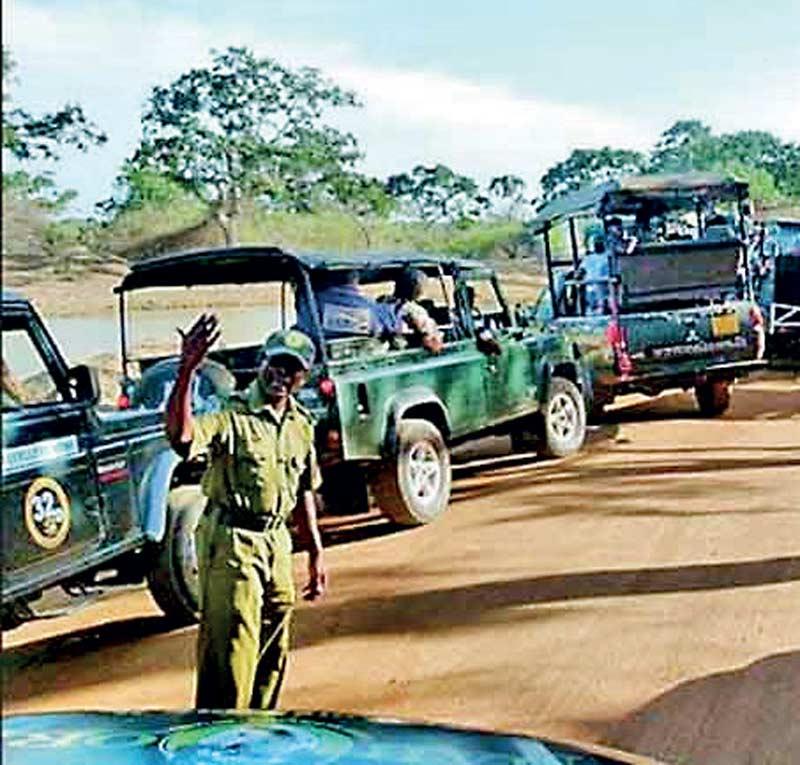
Yala National Park suffers from severe overcrowding, with Safari vehicles entering the park that far exceed ecological capacity, disturbing both the wildlife and the visitor experience to the point of intrusion.
FILE PHOTO
 While Sri Lanka has long been celebrated for its iconic features as a country (like its beaches, national parks, heritage sites etc), the commitment of responsible departments and government authorities to maximise this potential remains questionable
Essential services in visitor parks, such as access to clean and hygienic washrooms, sanitation facilities, and drinking water, are grossly substandard or worse, missing
The global travel website Big 7 Travel has ranked Sri Lanka as the most beautiful island in the world for 2025. According to the latest news release, the country has already welcomed over 1.5 million tourists this year, a clear sign of recovery and international recognition.
Sri Lanka has long been celebrated for its iconic beaches, breathtaking scenery, rich wildlife experiences, unmatched hospitality, and cultural treasures, including heritage, history, and traditions. At a time when the nation is emerging from severe economic hardship and a declared bankruptcy, the importance of tourism, exports, foreign investments, and foreign remittances cannot be overstated. Among these, tourism stands out as one of the strongest sources of foreign revenue, provided the country can deliver quality service, sustainable practices, and strategic promotion using its abundant natural resources.
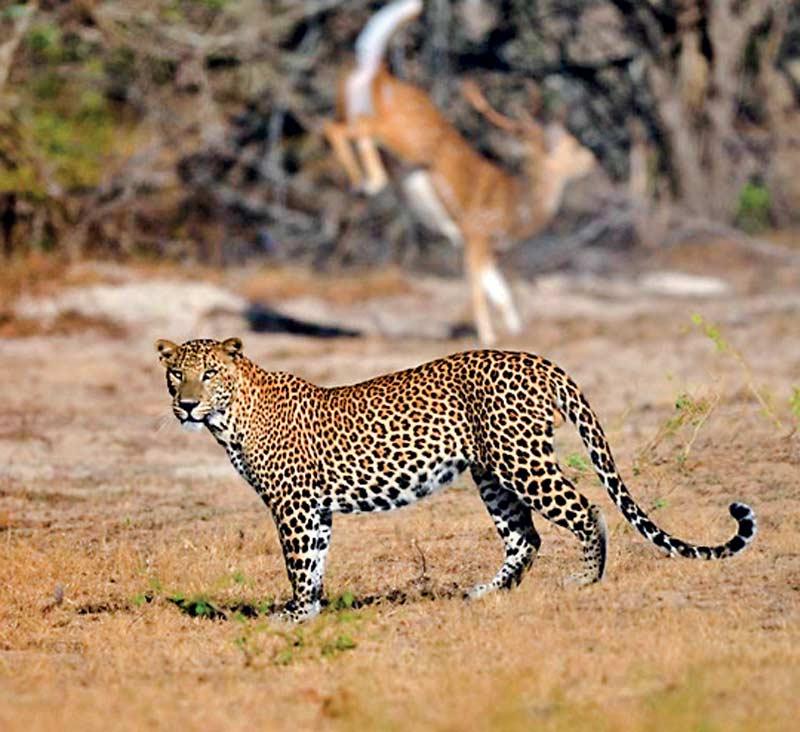
A significant number of tourists arrive with the primary aim of visiting national wildlife parks for photography and to observe elephants, leopards, and other species in their natural habitat. Parks such as Wilpattu, Kumana, Yala, and Horton Plains are renowned for leopard sightings, while Kaudulla and Minneriya are globally recognised for their elephant gatherings. During the migratory bird season, areas like Mannar Island, Vankalai, Vidaththaltheevu, Jaffna Peninsula, and Bundala attract bird enthusiasts and researchers alike. These natural treasures represent a wealth of potential for Sri Lanka’s economy but only if they are safeguarded, promoted, and managed responsibly.
Unfortunately, the commitment of responsible departments and government authorities to maximise this potential remains questionable. For instance, Yala National Park, once famous for its thriving leopard population, is now suffering from severe overcrowding. Safari vehicles entering the park far exceed its ecological capacity, disturbing both the wildlife and the visitor experience. The once frequent leopard sightings are now rare, with many tourists leaving disappointed after long drives without seeing the very animal they came for, most often the leopard. This lack of regulation and poor planning not only harms the ecosystem but also damages Sri Lanka’s reputation as a premier wildlife destination.
Equally concerning are the inadequate visitor facilities in these parks. Essential services such as clean washrooms, sanitation facilities, and access to water are either missing or grossly substandard. During a recent visit to Yala, at the Parana Thotupola rest area, the condition of the washrooms was appalling. They were unusable, no water, filthy urine-saturated floors, uncleaned toilets, and discarded tissues scattered across the ladies’ washroom floor. Doors were left open, exposing the unhygienic state to everyone. Such neglect not only embarrasses us in front of foreign visitors but also creates a lasting negative impression that undermines our tourism efforts.
It is alarming that a park as globally renowned as Yala has only two designated rest areas for thousands of daily visitors. Even though the available facilities are in such a substandard state, how can Sri Lanka expect to meet the basic needs of tourists, let alone provide them with a world-class experience?
If these shortcomings are not urgently addressed through proper planning, investment in infrastructure, regular monitoring, and sustainable visitor management, Sri Lanka risks losing its hard-earned reputation. Tourists who return to their home countries with bad experiences will spread negative impressions, directly affecting future arrivals and revenue.
At this critical time, when Sri Lanka has been recognised as the world’s most beautiful island, we must seize the opportunity to improve standards, protect our wildlife, and offer visitors an experience worthy of the title. Tourism is not just about showcasing beauty; it is about ensuring quality, comfort, sustainability, and respect for both visitors and nature.