Reply To:
Name - Reply Comment
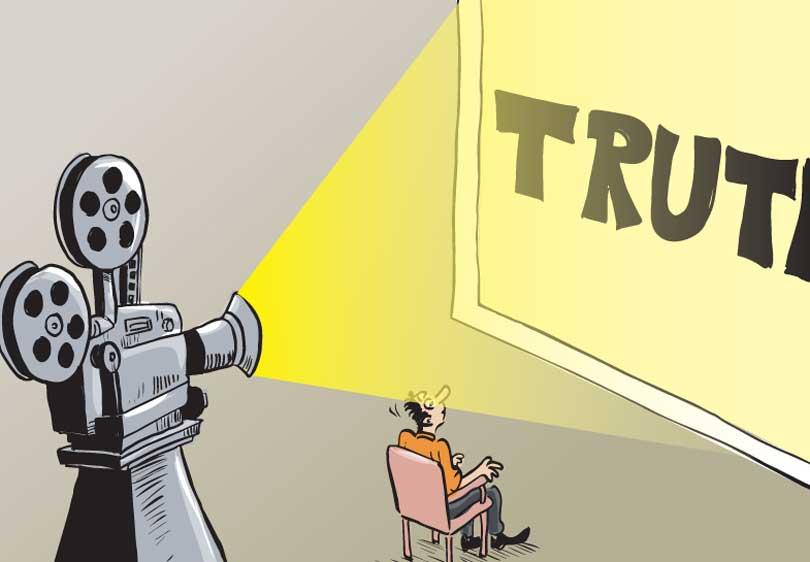
Sri Lanka is a country where many of its gruesome murders have faded into history without culprits being brought to book. The film ‘Rani’ is the latest of many films that have been made in this island when justice has been delayed or denied.
From Lasantha Wickrematunge to Wasim Thajudeen and Vijaya Kumarathunga and even JVP founder Rohana Wijeweera were subject to bloody murders. Some of these murders are likely to fuel the imagination of scriptwriters who can pen stories about such characters. When slain journalist, actor and human rights activist Richard De Zoysa’s life story was used in a movie it yet again provided a great opportunity to convey a strong message about who is guilty. But has the film Rani done that? Critics do defer, despite the film being in the news for having grossed Rupees ten million between January 30 and February 2.
We have to speak about the film ‘Yuganthaya’, which revolves around the content in the book Yuganthaya. Richard acted in this film as the son of a ruthless capitalist who used power to suppress the working class. Even in the role of ‘Malin’, played in that film, Richard would have enjoyed his contribution to this cinematic production. This is because there was no difference in the characters of Malin and Richard. In real life too Richard stood out against injustice and repression.
Now we see a film made about the murder of Richard and a grieving mother who is demanding justice for a lost son. These two films make us dig into history. We must know the truth about our past heroes who sacrificed their lives to create a Sri Lanka that values democracy, human rights and rule of law.
We remember the film ‘The Frozen Fire’ where Kamal Addararachchi plays the role of JVP Leader Rohana Wijeweera. After Wijeweera’s death, there were many versions about how he perished. The late Wijeweera’s family was looked after by the government. There were premature or untimely deaths of those who opposed the system of governance, but the state knew how to silence grieving parties by looking after their interests.
Most of the time, it is the filmmakers who take it upon themselves to deliver ‘justice’ to grieving parties through films. Sometimes the grieving parties themselves prefer to side with the oppressor, largely for survival.
But films are mere films and may not be as hard-hitting as documentaries. But on average Sri Lankan people tend to watch films and not documentaries; hence the reason why Rani came out as a film. This also could be why this film is getting mixed reviews.
When the British deposed Sri Lanka’s last king Sri Vikrama Rajasinha, the monarch wasn’t given a chance to opt for exile. He was taken away to Vellore, India as a prisoner. Historians point this out as a mistake committed by the British Government. Historians state that, as a result, some of the king’s kith and kin were paid a monthly stipend by the British Government to cover up for this folly.
The head of state of a past Sri Lankan regime had later requested the British Government to discontinue this stipend. After all these facts were heavily weighed a third party wanted to seek legal redress for the former Sri Lanka king’s relations, but the idea was scrapped because the consequences would be terrible if the plaintiff lost the case. Now the third party batting for king’s relations is planning to make a film with the view of delivering justice.
This writer knows at least one filmmaker who spoke about the potential the murder of Thajudeen carries to turn it into a thriller movie. The death of Thajudeen also involves the sport of rugby (a very popular sport in Sri Lanka), a high-profile political family and a murder that remains unresolved. But these filmmakers might have to wait, like Hemingway did before penning the book ‘The Killers’ because it was so dangerous to write about organised crimes in Chicago at that time. But Hemingway eventually did. The film Rani must be followed by a film on Thajudeen, the rugby player.