Reply To:
Name - Reply Comment
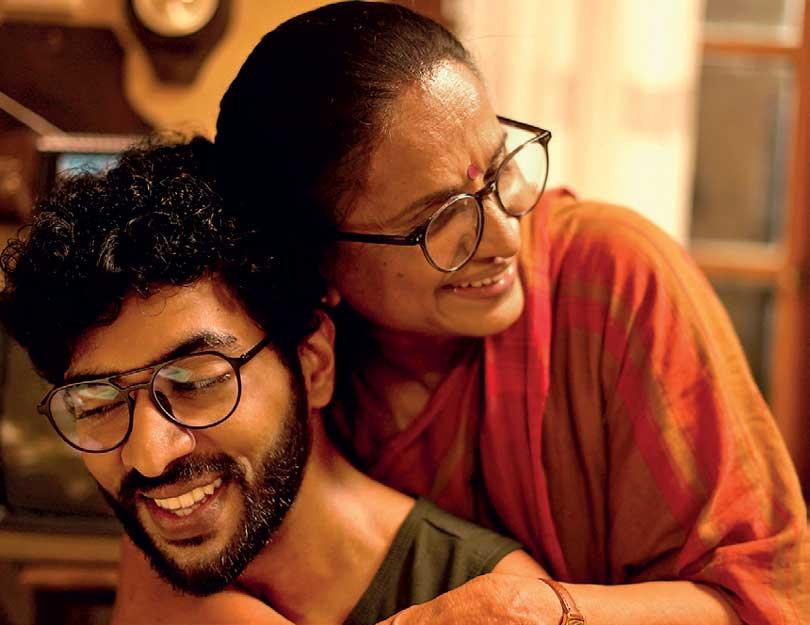
The film’s advertisers seem to have avoided this definition of the film being a biopic, but what else is Rani, except a biopic?
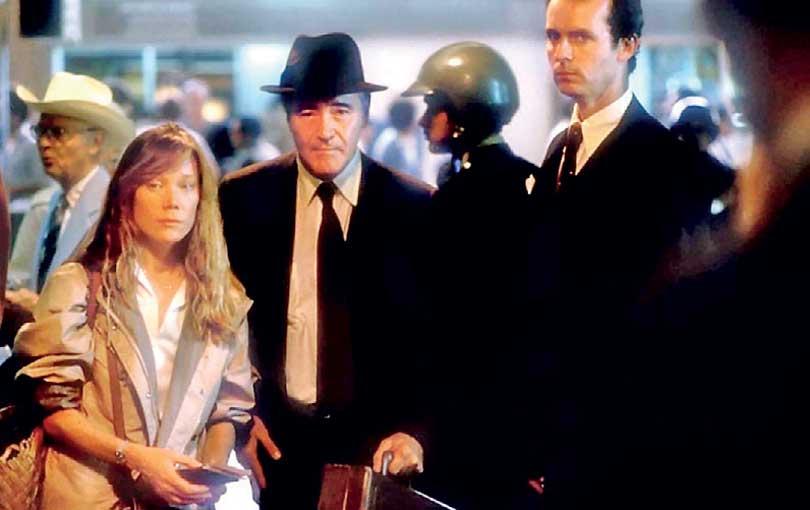
‘Missing’ by Costa-Gavras tells a story of a young American journalist, Charles Horman, who is in Chile with his wife when a military coup ousts President Salvador Allende, who is then arrested and subsequently disappears
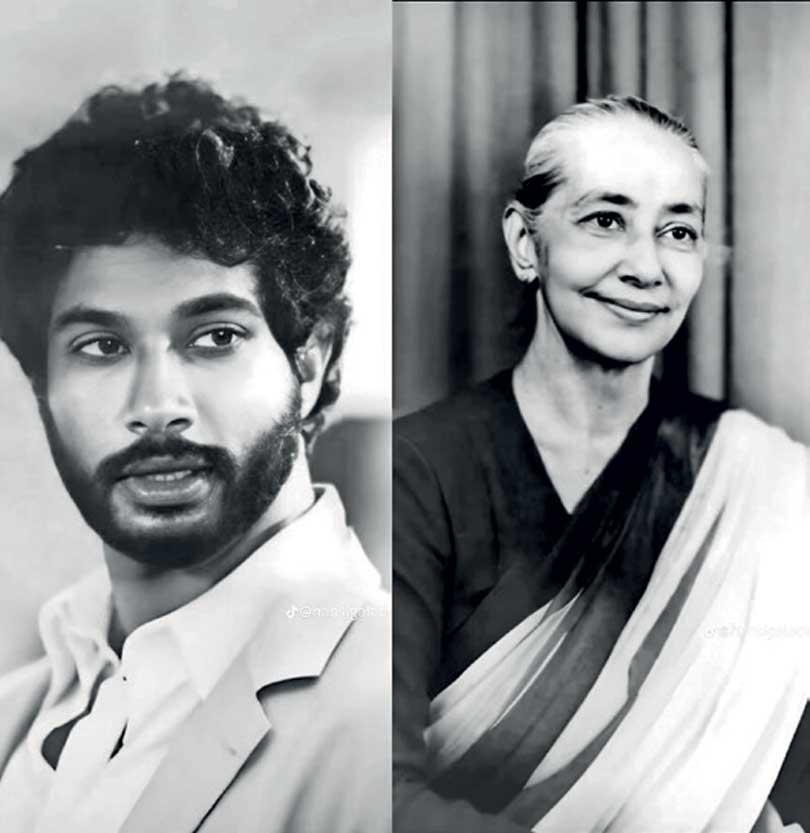
Richard De Soyza and Dr. Manorani Saravanamuttu
 Though the film’s advertisers seem to have avoided this definition, what else is Rani except a biopic? ‘Bio’ comes from biography, and ‘pic’ comes from picture (film). A biopic is a film depicting or dramatising the life of a real person, contemporary or historical.
‘Dramatising’ allows a degree of artistic license, though not distortion. Physical resemblance is not the key factor here. Actors playing real-life characters sometimes bear a striking resemblance to the actual person; often, they do not. Swarna Mallawarachchi, who plays Rani, does not resemble Dr. Manorani, but this is not the distortion I’m talking about. Before we go into that, let’s look at examples from other countries.
We know Beethoven only from paintings and sculptures, and the actor who plays Beethoven in the 1994 film ‘Immortal Beloved’ (Gary Oldman) leaves us guessing what the young Beethoven looked like. But his performance was so good that we were convinced that it was Beethoven.
In the 1998 romantic comedy ‘Shakespeare in Love’, Joseph Fiennes, who plays the young Shakespeare, again leaves us wondering what the latter really looked like, but his performance is captivating and convincing.
But mere physical resemblance is not the most important factor in any film dramatising real-life characters, whether they are biopics or not. Immortal Beloved and Shakespeare in Love are not biopics. They insert a lot of fiction into the lives of two real-life personalities without harming the reputations of either. This is an intelligent use of artistic license.
But biopics are different. In the 2011 biopic Iron Lady about British prime minister Margaret Thatcher, Meryl Streep who plays the character is hardly an exact look alike, but she impresses us with a spirited realisation of her character. An even better example is French filmmaker Luc Besson’s 2010 biopic The Lady, about Myanmar’s Aung San Suu Kyi.
This character was played by the versatile Michelle Yeoh. She did achieve a striking physical resemblance, even going so far as to lose eight kilos, as the legendary Burmese leader is very slim. But getting inside the character of Suu Kyi was more important to the actress. As she put it: “I think it wasn’t just what I looked like, but the journey inside because she exudes an aura—such serenity, dignity, grace, that it wasn’t an impersonation. You can’t just impersonate her”.
Cut to ‘Rani’, Michelle Yeoh’s words about Aung San Suu Kyi—serenity, dignity, grace—describe Dr. Manorani very well. (I knew both Richard and his mother closely during 1984 - 86 and wrote about that experience in my last column. I don’t want to repeat myself here).
Swarna, as an actress, has all these qualities in abundance. The trouble is that she is a miscast. I can vouch for that now, after seeing the film. She is working hard to play someone else, not Dr. Manorani.
Casting is a crucial aspect of filmmaking. In the West, the casting director is a key figure in any film production. In countries with smaller film budgets (including Sri Lanka), the casting is done by the director. Often, directors manage to get it right. But Asoka Handagama, in this case, has got it wrong, and part of that blame must go to the script.
It isn’t the physical resemblance. Critics have charged that details such as the saris she wore and the way Swarna smokes are all wrong. But it’s the overall impression that the cinematic Manorani makes that is far more worrying than those physical details (though I think Swarna could have benefitted from watching a few pre-90s Hollywood films, where Jane Fonda and other American actresses can be seen smoking, before trying to smoke on camera).
To be fair, that erroneous overall impression she makes is largely due to a badly researched script. Handagama has said that Rani was written and made in a relatively short time, but this isn’t an excuse. Swarna says she waited twenty-seven years to make this film, and she had met both Richard and Manorani. In that case, an actress with her clout could have told the director that her character, as written into the script, is misleading and needs to be corrected. Why didn’t she do it?
Handagama has directed eleven feature films thus far and has a large following, including some leading intellectuals, who think he’s the most innovative, radical contemporary filmmaker we have. Therefore, what he told an interviewer about Rani’s two inseparable central characters leaves me puzzled.
“Now, in this era, we finally have the space to reflect on the past calmly and to look back at those times from a new perspective. The opportunity for ‘Rani’ came about coincidentally. Not just Richard’s murder, but everything that happened during that period should not be erased from history”. (Quoted from an interview with The Morning).
But there was no danger of the Richard-Manorani story or the dark history of that turbulent period getting erased. It has been well documented in both Sinhala and English. What Rani has done is the unpardonable sin of distorting history vis-à-vis Richard de Zoysa and Dr. Manorani Saravanamuttu. But let’s look at this quote now.
“This is only how Manorani sees Richard. It doesn’t have a lot of what Richard did. Although Manorani is not someone who pays attention to the happenings in the country. It was only after her son was kidnapped that she began to feel that this was happening in the country. She had human emotions. But she was a person who smoked cigarettes and drank whiskey and lived a merry life”. (Interview with “Rani” film director Ashoka Handagama by Upali Amarasinghe—02.02.2025 ‘Anidda’ weekend newspaper, pages 15 and 19—quoted from Thuppahi’s Blog. The translation is not mine).
Dr. Manorani smoked (though not heavily) and was not a ‘drinker’ in that sense. I have never seen liquor in their modest apartment during my visits. She did not live a ‘merry’ life and didn’t have parties there. Distorting the truth is not excusable in a biography or biopic, and Handagama, with all his erudition, experience and sophistication, is guilty of that.
I am particularly saddened and puzzled by this: “Although Manorani is not someone who pays attention to the happenings in the country. It was only after her son was kidnapped that she began to feel that this was happening in the country.”
We are talking about the awakening of a social conscience. Dr. Manorani’s social conscience was wide awake and ticking long before her son was murdered. Not everyone can or has to be a political activist, and she was already quietly aiding the poor, sick and downtrodden even before her son became a public figure. This is another inexcusable distortion. From comments on social media, it’s clear that for the post-90s generation (and even for those older), this film is the ‘encyclopedia’ or reference point about Richard and his mother. In a country packed with political lies, now we have infuriating artistic lies.
Finally, I strongly suggest that the filmmaker, his advertisers, supporters, and producer watch the 1983 film ‘Missing’ by Costa-Gavras. It tells the story of a young American journalist, Charles Horman, who is in Chile with his wife when a military coup ousts President Salvador Allende. Horman is arrested by the military and subsequently disappears. Horman’s father, Ed Horman, a conservative New York businessman, arrives in Chile to find his son. What follows is the story of his bitter disillusionment as he and Charles’ wife discover a web of lies and deception by American officials as well as the Chilean military.
Gavras does not focus on what Charles Horman and his wife drank or if they had a merry life. He focuses on the essentials. The result is a film which won one Oscar plus twelve nominations.