 Moiz Mustafa
 Reply To:
Name - Reply Comment
By Moiz Mustafa
Sri Lanka is once again under the spell of the monsoon.
Across the island, swollen rivers have burst their banks, roads have disappeared beneath muddy water and communities in vulnerable areas are watching the skies with growing concern. Flood warnings have been issued along sections of the Kalu River Basin, landslide alerts remain in place for parts of the hill country and health authorities are warning of a rise in dengue cases as stagnant water creates breeding grounds for mosquitoes.
For many Sri Lankans, these scenes are familiar. The monsoon arrives each year carrying both relief and disruption, blessing and burden. It tests the country's infrastructure, strains livelihoods and challenges communities. Yet it also replenishes reservoirs, revives agriculture and sustains the natural systems on which the island depends.
The rains remind us of something easy to forget during times of hardship. Nature is neither friend nor foe. It simply follows its course.
It would be wrong to speak only of destruction.
The monsoon has shaped Sri Lanka for centuries. Long before modern weather forecasts and disaster management centres, ancient kingdoms understood that survival depended on working with the rain rather than fighting against it.
The thousands of irrigation tanks scattered across the dry zone stand as proof. Built by ancient rulers, these vast networks of reservoirs transformed seasonal rainfall into a reliable source of water for agriculture and daily life. Many continue to serve farming communities today, centuries after they were first constructed.
The rains feed the Mahaweli River, which powers turbines that generate a significant share of the country's electricity. They sustain the tea-growing hills of the central highlands, replenish wells across rural districts and provide the water that allows farmers to cultivate rice, vegetables and other crops throughout the year.
This season will be no different. Reservoirs will fill. Groundwater levels will recover. Temperatures that have lingered uncomfortably high in recent weeks will ease. Fields that appeared dry and exhausted only months ago will begin to turn green again.
The monsoon may inconvenience us, but it remains one of the foundations upon which Sri Lankan life depends.
Sri Lanka has always existed between two great weather systems.
The southwest monsoon drenches the western and southern slopes from May to September, while the northeast monsoon brings rain to the northern and eastern parts of the island between December and February. Between them come the inter-monsoon periods, often bringing intense thunderstorms and sudden downpours.
Together, these seasons shape far more than the weather.
They influence planting calendars, fishing patterns and harvests. They determine water availability, affect public health and influence everything from architecture to transport. Ancient communities organised their lives around these cycles, reading changes in the sky with a familiarity that modern society has gradually lost.
Even today, many farmers continue to watch the clouds with the same attention their ancestors once did. They know the rains can bring hardship. They also know that without them, the consequences would be far worse.
When severe weather strikes, ordinary Sri Lankans often reveal an extraordinary quality.
Across the country, acts of kindness emerge without fanfare. Families open their doors to neighbours displaced by floods. Volunteers organise food and supplies for affected communities. Drivers help stranded motorists navigate flooded roads. Local organisations mobilise resources long before official assistance arrives.
These moments rarely dominate headlines, yet they tell an important story about resilience.
Sri Lanka has experienced major floods, landslides and storms before. Communities have repeatedly demonstrated an ability to endure hardship and support one another through difficult periods. That spirit remains one of the country's greatest strengths.
But resilience should mean more than simply surviving the next disaster.
Every monsoon season seems to expose the same weaknesses.
Blocked drains turn heavy rain into urban flooding. Slopes stripped of vegetation become vulnerable to landslides. Homes built on flood plains face predictable risks when rivers reclaim their natural paths. Early warnings often reach government offices before they reach the people who need them most.
These are not new problems.
Successive floods and landslides over the years have highlighted many of the same vulnerabilities. Reports are compiled, recommendations are made and public attention gradually shifts elsewhere as waters recede and normal life resumes.
Yet the underlying conditions often remain unchanged.
The rain itself is not responsible for every disaster. In many cases, it simply exposes the consequences of decisions made over decades. Poor planning, inadequate drainage systems, environmental degradation and unchecked development can transform seasonal weather into a humanitarian emergency.
The monsoon reveals where preparation ends and neglect begins.
As climate patterns become increasingly unpredictable, the need for long-term planning becomes more urgent.
Many urban drainage systems were designed for cities far smaller than they are today. Expanding communities require infrastructure capable of handling heavier rainfall and larger populations. Landslide monitoring and early warning programmes need greater reach. Forest cover on vulnerable slopes must be protected and restored where possible.
Equally important is the enforcement of regulations designed to keep people out of harm's way. Building on flood-prone land may solve an immediate housing challenge, but it often creates a larger problem later.
Nature will continue to test Sri Lanka. The question is whether the country responds to each emergency as an isolated event or begins addressing the deeper vulnerabilities that repeatedly place communities at risk.
When the clouds eventually clear, the landscape tells a different story.
Reservoirs shimmer beneath the sun. Paddy fields reflect the sky. Rivers flow with renewed strength. The air feels cooler and cleaner. The scent of wet earth drifts through villages and towns alike.
The same rains that caused disruption also restore life.
Perhaps that is why the monsoon occupies such a unique place in Sri Lankan experience. It is impossible to separate its hardships from its gifts. The water that floods a road today may sustain a harvest tomorrow. The storm that disrupts a journey may also refill a reservoir that supports thousands of families.
Rain is not simply weather in Sri Lanka. It is part of the island's identity.
"Some people feel the rain, others just get wet." — Bob Marley
To live in Sri Lanka is to feel the rain.
It is to understand that every season carries both challenge and opportunity. It is to recognise that nature's power demands respect, preparation and humility. And it is to remember that while storms may test us, they also reveal our capacity to endure, adapt and move forward.
The rains will come again, as they always have.
The question is whether, by the time they return, we will be better prepared to meet them.
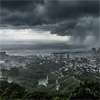
Note - Image is AI-generated for illustration purposes.