Youth are engaged as environmental stewards, entrepreneurs, innovators, and decision-makers. They return to their home villages not out of obligation, but because they see opportunity and purpose
Reply To:
Name - Reply Comment
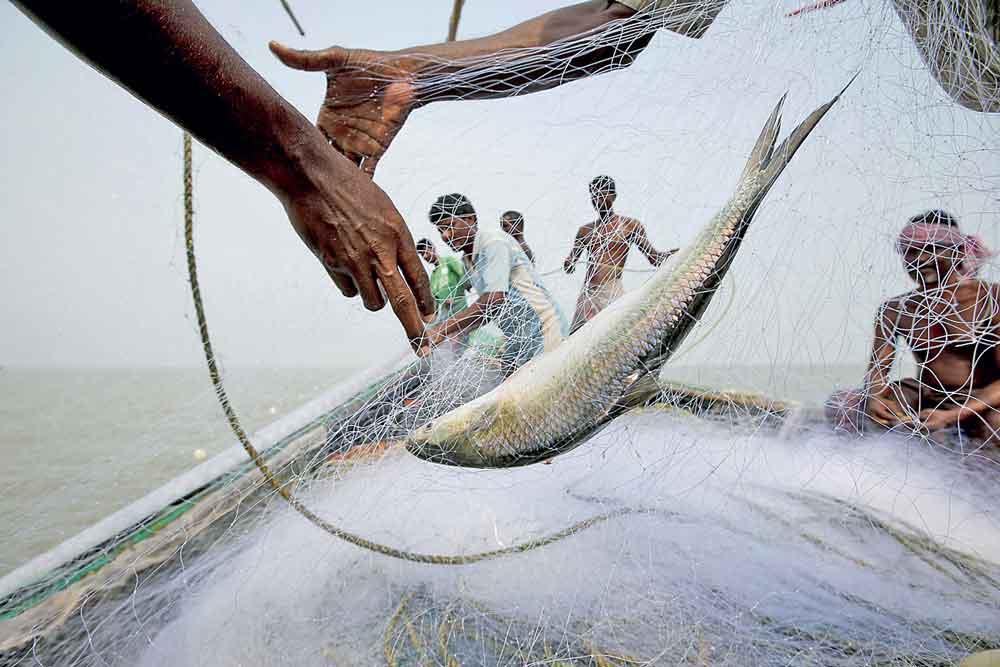
Coastal communities, scattered from Jaffna to Galle and Batticaloa to Puttalam, have relied on fisheries, marine-based agriculture, and tourism for generations

For women, continued investment in skills training, financial literacy, and access to credit will unlock their potential as entrepreneurs and leaders
 Tourism remains a critical lifeline for coastal economies, with popular destinations like Mirissa, Arugam Bay and Trincomalee having long attracted surfers, snorkelers and nature lovers
Women who reside in coastal communities, traditionally involved in the post-harvest fish processing, are now being trained in value addition, product packaging and business management
Rising sea levels, saltwater intrusion into freshwater systems, and more frequent extreme weather events pose serious risks to Sri Lanka
By Dr. Manil De Mel
Sri Lanka, an island nation graced by over 1,600 kilometres of coastline, is home to thousands of families whose lives are deeply intertwined with the sea. These coastal communities, scattered from Jaffna to Galle and Batticaloa to Puttalam, have relied on fisheries, marine-based agriculture, and tourism for generations. However, over the years, they have faced mounting challenges, including overfishing, declining marine biodiversity, natural disasters, and most recently, the intensifying impacts of climate change.
|
|
To safeguard the future of these communities, the Sri Lankan government, in collaboration with NGOs, international donors, and private sector stakeholders, is increasingly focusing on sustainable livelihood development. These efforts aim to enhance economic stability and protect the fragile coastal ecosystems on which these communities depend.
Challenges
Coastal populations in Sri Lanka are vulnerable on multiple fronts. While the ocean provides food and income, it also poses serious risks. Cyclones, floods, and coastal erosion have devastated homes and infrastructure. The 2004 Indian Ocean tsunami remains a painful memory for many, and since then, the effects of rising sea levels and unpredictable weather patterns have grown more severe.
Overfishing is another significant concern. Due to years of unregulated fishing and the use of harmful gear, fish stocks have declined. Small-scale fishers now struggle to compete with large trawlers that deplete coastal waters. Meanwhile, pollution—especially plastic waste—threatens marine biodiversity and impacts the quality and safety of marine harvests.
Furthermore, the tourism industry, a potential boon for coastal economies, was hard hit by the COVID-19 pandemic and is still in the process of recovery. Many community members who once found employment in hotels, restaurants, and tour services were left jobless, highlighting the need for diversified income sources.
 Overfishing is another significant concern. Due to years of unregulated fishing and the use of harmful gear, fish stocks have declined
Sustainable development
Recognising the urgency of the situation, the Sri Lankan government has taken steps to support coastal livelihoods. The Ministry of Fisheries and Aquatic Resources, along with the Ministry of Environment, has launched initiatives focusing on the sustainable management of marine resources and poverty alleviation in coastal regions.
One flagship programme is the “Blue Economy” strategy, which aims to maximize the sustainable use of ocean resources while minimising environmental degradation. This includes promoting responsible fishing practices, expanding marine farming (aquaculture), and investing in renewable ocean-based energy.
NGOs such as Practical Action, SLYCAN Trust, and Sevalanka Foundation have been crucial in implementing grassroots programmes. These initiatives offer training in alternative livelihoods such as seaweed farming, crab fattening, and eco-tourism. They also provide microcredit to support small businesses and cooperatives, especially those led by women.
For instance, in Mannar and Kalpitiya, communities are being trained in sustainable aquaculture, including cage fish farming and shrimp cultivation. These ventures provide reliable income, especially during the off-season for traditional fishing.
Empowering women and youth
One of the most transformative aspects of current development strategies is the emphasis on empowering women and youth. Coastal women, traditionally involved in post-harvest fish processing, are now being trained in value addition, product packaging, and business management. This shift is opening doors for them to access local and international markets.
In the Eastern Province, women’s cooperatives engaged in seaweed cultivation are seeing encouraging results. With training in sustainable harvesting and drying techniques, they can supply high-quality products to health food and cosmetics markets. The income earned has improved household resilience and reduced gender disparities in economic participation.
Youth are also being introduced to new livelihood options through vocational training programmes. Topics include digital literacy, boat engine repair, hospitality management, and marine conservation. These skills enhance employability and encourage young people to stay in their communities rather than migrate to cities in search of work.
Double-edged sword
Tourism remains a critical component of coastal economies. Popular destinations such as Mirissa, Arugam Bay, and Trincomalee have long attracted surfers, snorkelers, and nature lovers. However, unplanned development has led to environmental degradation in many areas. Beach erosion, coral reef destruction, and pollution from hotels and boats have damaged ecosystems and reduced the quality of life for residents.
In response, several community-based tourism models have emerged. These initiatives promote responsible tourism that benefits both the environment and local people. Homestay networks, eco-lodges, and cultural tours offer authentic experiences while generating income for families. Local guides, artisans, and small businesses are all involved, ensuring that economic benefits are widely distributed.
In Hikkaduwa, for example, a local initiative is training former fishermen as marine tour guides. They now lead coral reef snorkelling trips, combining conservation education with income generation. This not only raises awareness among tourists but also fosters a sense of stewardship among locals.
Coastal resilience
Perhaps the greatest long-term threat to Sri Lanka’s coastal communities is climate change. Rising sea levels, saltwater intrusion into freshwater systems, and more frequent extreme weather events pose serious risks. Building resilience is essential.
Several adaptation projects are underway. Mangrove restoration is a key strategy being implemented across multiple districts. Mangroves act as natural buffers against storm surges and erosion while also serving as nurseries for fish. Communities involved in planting and maintaining mangroves are paid for their labour, combining environmental restoration with livelihood support.
In addition, new climate-smart agricultural practices are being introduced in coastal areas. These include salt-tolerant crop varieties, efficient irrigation methods, and the promotion of agroforestry. These techniques help reduce the vulnerability of farming households to droughts and floods.
Rainwater harvesting systems and solar energy installations are being provided in some remote fishing villages to ensure access to clean water and power. These interventions improve living standards and reduce dependence on centralised infrastructure, which may be compromised during natural disasters.
Local capacity and ownership
While external support is important, the long-term success of livelihood programmes depends on local ownership. Community engagement in planning and decision-making ensures that interventions are culturally appropriate and aligned with local needs.
Community-based organisations (CBOs) and fisheries cooperatives need to be strengthened through capacity-building programmes. Training in leadership, financial management, and environmental governance equips local leaders to take charge of development initiatives. Moreover, integrating indigenous knowledge with scientific practices has proven effective in creating context-specific solutions.
Policy support
A robust policy framework is essential to support sustainable livelihoods. Recent legal reforms have focused on regulating coastal resource use, protecting critical habitats, and supporting marine spatial planning. The National Fisheries and Aquaculture Policy has been revised to incorporate principles of sustainability, equity, and climate resilience.
The Coastal Conservation and Coastal Resource Management Department plays a key role in enforcing zoning regulations that prevent unplanned construction in erosion-prone areas. However, enforcement remains a challenge due to limited resources and overlapping mandates among agencies.
Road ahead
As Sri Lanka charts its course toward sustainable coastal development, the path ahead must be informed by long-term vision, inclusive planning, and climate-smart strategies. While several initiatives have laid the foundation, scaling up impact will require a more integrated, community-led, and data-driven approach.
1. Integrated Coastal Zone Management (ICZM)
A major priority for the future is the implementation of Integrated Coastal Zone Management—a holistic framework that brings together environmental protection, economic development, disaster risk reduction, and social equity. ICZM recognises that coastal areas are complex systems where marine, terrestrial, and human activities intersect. Planning and policies must therefore transcend sectoral silos.
For example, fisheries, tourism, and urban infrastructure should be planned in harmony, with designated zones for conservation, livelihood, and development. This requires robust spatial planning tools, participatory governance, and collaboration between government departments such as Fisheries, Tourism, Environment, and Urban Development.
2. Climate Resilience and Disaster Preparedness
Climate change continues to pose an existential threat to coastal communities. Rising sea levels, extreme weather events, and saltwater intrusion are already impacting lives and livelihoods. Going forward, climate resilience must be embedded into every aspect of coastal development.
This includes strengthening early warning systems, constructing cyclone shelters, reinforcing coastal embankments, and investing in nature-based solutions such as mangrove reforestation, coral reef restoration, and dune stabilisation. These “green infrastructure” approaches are not only cost-effective but also provide co-benefits such as biodiversity conservation and tourism potential.
3. Technology and Innovation for Livelihood Diversification
To reduce over-dependence on capture fisheries, livelihood diversification is essential. The road ahead must see the wider adoption of technology and innovation in sectors such as aquaculture, coastal agriculture, renewable energy, and marine biotechnology.
Smart aquaculture using sensors, remote monitoring, and automated feeding systems can significantly improve productivity and sustainability.
Desalination and hydroponic systems can enable small-scale farming even in salt-affected coastal soils.
Offshore wind and tidal energy offer promising opportunities for clean energy generation and local employment.
Innovation must also be made accessible to small-scale producers through affordable financing, public-private partnerships, and inclusive research-extension networks.
4. Youth and Women as Change Agents
Any long-term development strategy must harness the power of youth and women. These groups are not just beneficiaries but potential change agents who can lead innovation, entrepreneurship, and social transformation.
Youth engagement can be enhanced through:
Vocational training in sustainable tourism, marine engineering, and conservation.
Start-up incubation programmes focused on coastal enterprises.
Civic education and digital platforms for youth-led advocacy.
For women, continued investment in skills training, financial literacy, and access to credit will unlock their potential as entrepreneurs and leaders. Special attention must be given to reducing barriers to participation such as social norms, care burdens, and safety concerns.
5. Access to Markets and Value Chain Development
Many coastal producers, especially fishers and artisans, remain at the lower end of value chains. They often lack access to profitable markets, cold storage facilities, and transportation infrastructure, which limits their earnings and increases post-harvest losses.
Future strategies should focus on:
Upgrading local processing facilities and logistics systems.
Supporting branding and certification schemes such as “Sustainably Caught” or “Fair Trade Seafood”.
Creating digital marketplaces and cooperatives that connect producers directly with buyers.
These interventions will ensure that coastal communities move from subsistence to enterprise, improving incomes and livelihoods.
6. Policy Reform and Local Governance
Sustainable coastal development requires clear, consistent, and participatory policy frameworks. Laws must be updated to reflect the realities of climate change, decentralised governance, and rights-based development.
Decentralised coastal governance bodies, such as coastal district development councils or marine co-management committees, can give local stakeholders a stronger voice. Their mandates should include planning, monitoring, conflict resolution, and coordination of development activities.
Transparency, accountability, and citizen engagement will be key to building trust and ensuring that development benefits are equitably shared.
Vision for the future
Sri Lanka’s coastal regions represent more than picturesque landscapes and tourism hotspots—they are dynamic, living communities with immense cultural, ecological, and economic significance. As the country looks ahead, a bold and inclusive vision for the future must place coastal communities at the heart of national development, environmental protection, and climate adaptation.
1. Thriving Coastal Economies Rooted in Sustainability
The vision for the future is one where the coastal economy thrives, not through short-term exploitation of natural resources, but through sustainable and diversified livelihoods. The blue economy must evolve beyond traditional fisheries to encompass aquaculture, marine biotechnology, ocean-based tourism, and renewable energy.
In this vision, every coastal village is economically self-reliant, with well-developed value chains that allow producers to earn fair prices for their goods and services. Local seafood, organic coastal crops, and handmade products should reach both local and global markets under sustainable and ethical brands, boosting incomes while conserving marine resources.
Microenterprises and cooperatives, especially those led by women and youth, should flourish with access to affordable credit, technical support, and business training.
2. Resilient Communities Living in Harmony with Nature
Environmental resilience is at the core of this future. Coastal communities must live in harmony with nature, guided by traditional knowledge and scientific innovation. Shorelines are restored and protected by healthy mangroves, sand dunes, and coral reefs. Clean beaches, biodiverse estuaries, and unpolluted lagoons serve as both economic and ecological assets.
Housing, infrastructure, and water systems must be designed to withstand storms, flooding, and sea-level rise. Communities are equipped with early warning systems and disaster risk education to reduce vulnerability. Coastal ecosystems, from seagrass beds to wetlands, are actively conserved and co-managed by local stakeholders who benefit from their protection. In this future, nature is not an obstacle, but an ally in safeguarding livelihoods.
3. Empowered People Driving Change
A future-oriented vision must centre around people’s empowerment. Coastal communities will no longer be passive recipients of aid but proactive agents of their own development. Through education, capacity building, and leadership opportunities, residents will be equipped to manage resources, solve problems, and advocate for their rights.
Youth are engaged as environmental stewards, entrepreneurs, innovators, and decision-makers. They return to their home villages not out of obligation, but because they see opportunity and purpose. Women are not just earning income, but shaping policies, leading cooperatives, and building inclusive economies.
Educational institutions, both formal and informal, must play a pivotal role in creating this empowered future, embedding coastal ecology, climate science, sustainable practices, and civic responsibility in their curricula.
4. Smart Infrastructure and Connectivity
The coastal communities of tomorrow must be well-connected—not just physically, but digitally. All villages should have access to smart infrastructure that includes sustainable transport, solar-powered energy grids, modern sanitation, and clean drinking water. High-speed internet connectivity will allow youth and entrepreneurs to participate in digital economies, access education, and engage in e-commerce.
Fishing ports, markets, and cold storage units should be modernised to reduce post-harvest losses and improve food safety. Community centres and innovation hubs can serve as knowledge-sharing platforms, bringing together traditional wisdom and modern science.
This infrastructure must be climate-resilient, inclusive, and environmentally friendly, designed with the participation of local communities.
5. Inclusive Governance and Social Equity
A just and inclusive future must address historical inequalities and social marginalisation. Coastal Tamil, Muslim, and Sinhala communities, many of whom are recovering from the effects of conflict and disaster, deserve equitable access to resources, representation, and services.
This means strengthening inclusive governance structures where all voices—especially women, minorities, and youth—are heard and respected. Participatory budgeting, coastal citizen councils, and transparent development planning can create trust and accountability between citizens and state institutions.
Efforts must also be made to recognise and protect the cultural heritage of coastal communities, from fishing rituals and boat craftsmanship to culinary traditions and folk music. These identities are not just sources of pride but assets for tourism, education, and national unity.
6. A Global Leader in Sustainable Coastal Development
Sri Lanka, with its rich marine biodiversity, strategic location, and history of community resilience, has the potential to become a regional and global leader in sustainable coastal development.
By adopting best practices, embracing innovation, and staying committed to equity and ecology, Sri Lanka can share its experiences with other island and coastal nations facing similar challenges. It can position itself as a centre of excellence for blue economy innovation, coastal adaptation, and marine conservation in South Asia and beyond.
Hosting international forums, investing in regional research collaborations, and scaling successful models like community-based ecotourism or seaweed farming can help elevate Sri Lanka’s profile while reinforcing the benefits for its own citizens. The vision for the future is not a distant dream—it is a tangible possibility, achievable with sustained commitment, inclusive leadership, and strategic investment. Improving the livelihoods of Sri Lanka’s coastal communities is not just about economic development—it’s about justice, sustainability, and dignity.
These communities, bound by tradition but full of potential, can become shining examples of how humans and nature can thrive together. Their success will not only ensure the health of Sri Lanka’s coasts but will also reflect the nation’s ability to rise above challenges with innovation and unity.
As the waves continue to shape the shoreline, let the people who live along it shape a new future—one of prosperity, resilience, and hope.
(The author holds a PhD in Mass Media Communications and has conducted comprehensive research on Coastal Livelihood Development)