Reply To:
Name - Reply Comment
By Dr. Ananda Jayasooriya
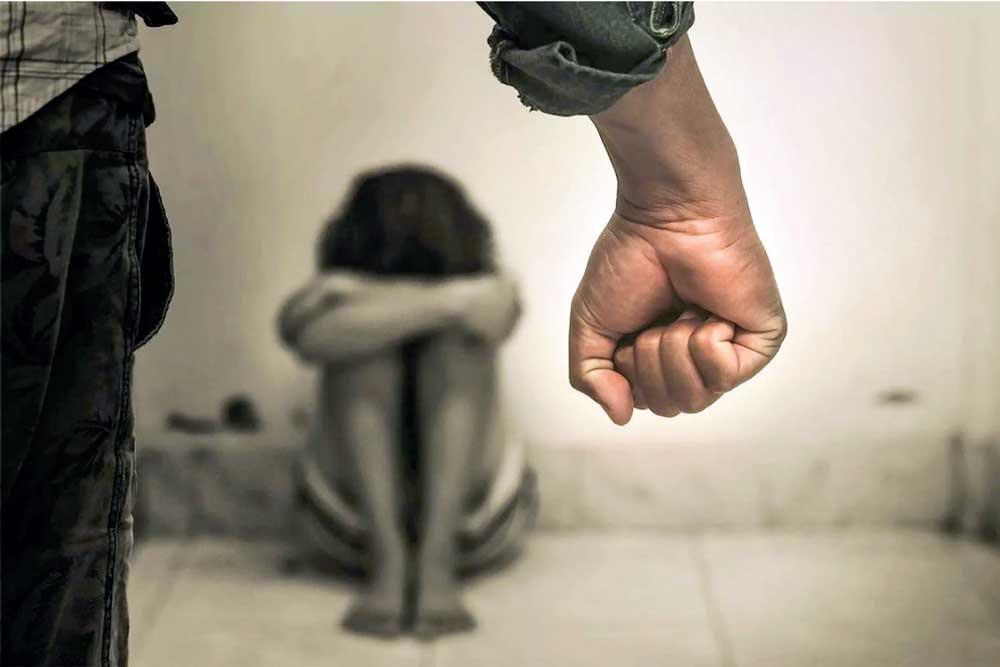
The landscape of domestic violence in Sri Lanka is defined by a profound tension between progressive legislative frameworks and deeply entrenched patriarchal social norms. While the State has made significant strides in codifying protections for women, the lived reality for many survivors is governed by a ‘culture of silence’ and the social pressure of ‘lajjawa-baya’ (shame and fear). This cultural weight often reclassifies criminal acts as private domestic disputes, creating a barrier that formal law struggles to penetrate.
As of 2026, the intersection of these forces remains the primary challenge in ensuring the safety and autonomy of women across the island. The concept of ‘lajjawa-baya’, meaning ‘shame and fear,’ plays a deeply-rooted role in shaping the social expectations placed on women in Sri Lanka. While often presented as a cultural value promoting modesty and discipline, it also functions as a powerful mechanism of social control that can contribute to discrimination and inequality.
Statistically, the magnitude of the issue is starkly visible in recent data. In 2025, the Sri Lanka Police recorded approximately 125,000 complaints related to domestic violence, with over 113,000 cases reported in the first nine months of the year alone. However, these figures represent only the tip of the iceberg. Historical trends, supported by the 2019 Women’s Wellbeing Survey and reaffirmed in 2024 policy reviews, indicate that nearly 49.3 percent of women who experience sexual violence by a partner never seek formal help. Furthermore, research from the International Centre for Ethnic Studies (ICES) highlights a staggering ‘legal underutilisation,’ where less than 1 percent of survivors actually utilise the Protection Orders available under the Prevention of Domestic Violence Act (PDVA).
The persistence of these gaps is largely fueled by gender socialisation and the prioritisation of family ‘honour’ over individual rights. From a young age, Sri Lankan women are often socialised into roles of endurance (‘shakthiya’) and self-sacrifice, where maintaining the unity of the ‘broken home’ is viewed as a feminine virtue. Conversely, traditional masculinity is frequently tied to dominance and control. In the wake of the recent national economic crisis, these roles have been strained; research suggests that economic stress has led to an uptick in violence as some men use physical force to reassert a perceived loss of authority as the primary ‘breadwinner.’
Legally, Sri Lanka is currently in a transformative phase, attempting to modernise its response to these cultural hurdles. The Women’s Empowerment Act, No. 37 of 2024, established the National Commission on Women, providing a dedicated institutional watchdog to monitor gender-based violence. More recently, in early 2026, the Cabinet moved to repeal and replace the outdated PDVA of 2005. This new legislative push aims to bridge systemic gaps by providing faster police response times, recognising economic and psychological abuse more clearly, and addressing modem threats like cyber-violence, which have surged in the digital age.
Despite these legislative advancements, the implementation of the law is frequently hampered by the ‘gatekeepers’ of justice. Survivors often encounter police officers who prioritise mediation and ‘reconciliation’ over filing formal charges, reflecting the societal bias toward keeping families together at any cost. Additionally, the lack of legal literacy and economic independence remains a significant hurdle; in rural districts, there is a 40% gap in accessible support services compared to urban centres like Colombo. For many women, the fear of absolute poverty following a legal separation acts as a more powerful deterrent than the violence itself.
Moving forward, the consensus among policymakers in 2026 is that legal reform must be matched by a ‘cultural revolution.’ Addressing domestic violence requires moving beyond the courtroom and into the community, engaging religious and village leaders to dismantle the narrative that violence is a private matter. Pilot programmes focused on shifting community norms have already demonstrated a reduction in Intimate Partner Violence (IPV) rates by up to 15 percent. Ultimately, protecting survivors in Sri Lanka requires a system where the law is not just a set of rules on paper, but a culturally supported mechanism that values a woman’s safety over social reputation.
(The author, Dr. Ananda Jayasooriya, PhD, (UCASS)LLM, (England)LLB, PGD in Law(New Bucks) is attached to the Faculty of Computing and Technology at University of Kelaniya and can be reached via [email protected])