Recomended News
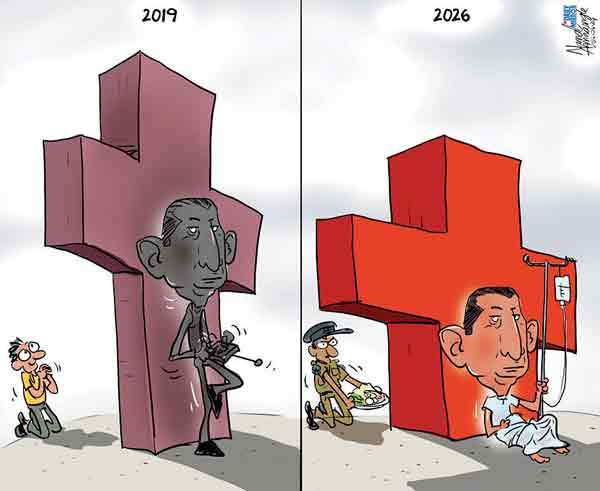
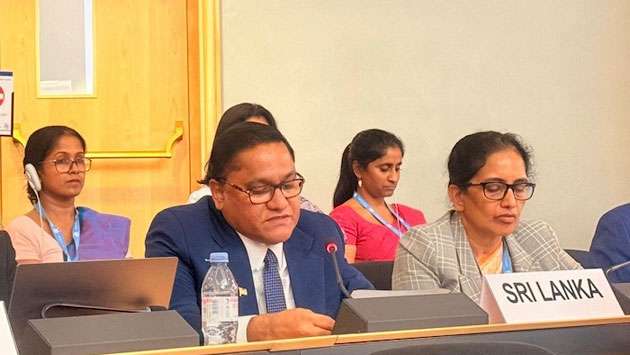
ITAK expresses disappointment over government’s stance at UNHRC
09 Sep 2025
 10
10
2328
The Ilankai Tamil Arasu Kachchi (ITAK) has voiced strong disappointment over the statement made by Foreign Minister Vijitha Herath at the 60th session of the UN Human Rights Council (UNHRC), accusing the government of failing to deliver on promises of accountability and reconciliation.
Rethinking the Dress Code for Parliamentary Visitors
09 Sep 2025
1
684
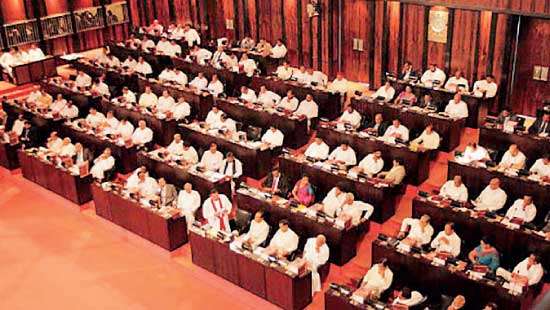
At present, visitors entering the Parliamentary gallery strictly on invitation are required to follow a dress code: ladies in saree and gentlemen in either the National Dress or a Lounge suit.
Church by the River Turns 150
09 Sep 2025
1
1204
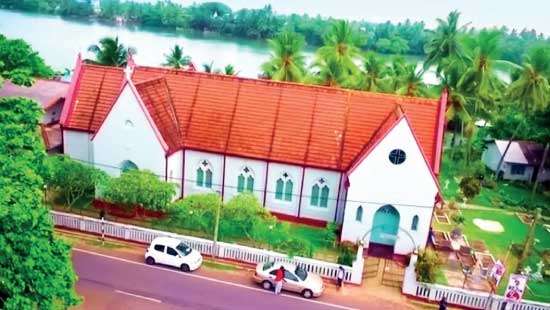
The Church of St. John the Evangelist in Panadura is set to enter its 150th year on September 14, 2025. Known as the Church by the River, it has long served as a spiritual and community hub, offering worship, education, and social support along the Bolgoda River.
Dr Wijeyeratne recognised at global cardiology congress
09 Sep 2025
2
1361
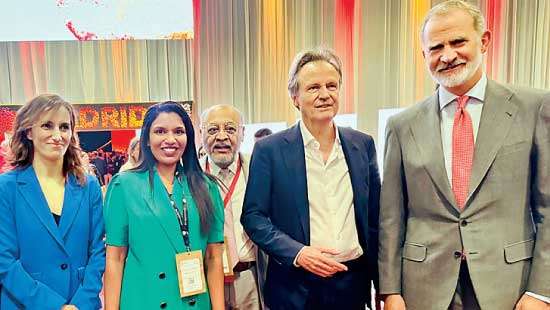
British cardiologist Dr Yanushi Dullewe Wijeyeratne gained international acclaim at the European Society of Cardiology Annual Congress 2025 in Madrid. Invited to chair sessions, deliver lectures, and appear on the ESC TV channel, she presented the latest research on atrial fibrillation, inherited arrhythmias, and lethal cardiac conditions.
Uncertainty lies ahead as Govt. plans for education reforms
08 Sep 2025
0
962
A month ago, a student of a leading school in Homagama took her life. The death is reportedly linked to exam pressure and this is not an isolated tragedy.
Physiotherapy has been in the forefront of therapy and cure
08 Sep 2025
1
499
World Physiotherapy Day falls on September 8 (today). To commemorate the day, the College of Physiotherapists has organised a scientific session and workshop.

Cops and garbage collectors looking for uncles
08 Sep 2025
0
1613
In Sri Lanka, older people are commonly called ‘uncle’ or ‘aunty’ by those younger. This term denotes blood relationships, but is commonly used to as a term of respect when greeting older people, derived from the Sinhalese usage of ‘mama’ and ‘nanda’ (usually in rural areas).
Colombo Port container volumes surge in July
02 Sep 2025
2
2527
The Port of Colombo reported a significant surge in container handling in July 2025, marking a strong rebound with a double-digit growth, driven by a robust recovery in transshipment volumes.
Liberal Americans and immigrants live in fear Checkpoints in US cities - an Orwellian nightmare taking shape
02 Sep 2025
0
1784
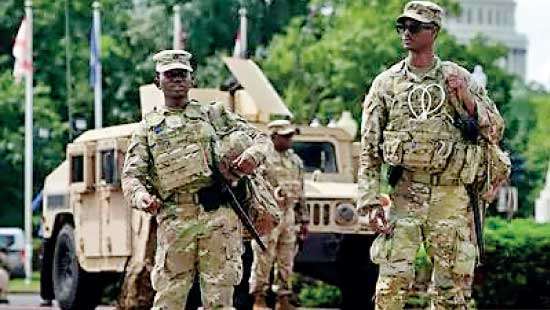
The latest American opinion polls show that President Donald Trump’s tough steps against crime are appreciated, but support for his draconian anti-immigrant actions is dwindling.
Viet Nam’s success: Consistent policies, investment in human resources, global integration are hallmarks - Ambassador
02 Sep 2025
11
2128
Vietnamese Ambassador Trinh Thi Tam, in an interview with Daily Mirror, speaks about the way forward for enhancement of bilateral ties. She shares her views in this regard on the occasion of the 80th Anniversary of Viet Nam’s Independence Day (1945-2025) and the 55th anniversary of diplomatic relations between Viet Nam and Sri Lanka (1970–2025).

Pathum Nissanka Hundred Seals: Sri Lanka’s Series Win Against Zimbabwe
01 Sep 2025
0
539
Pathum Nissanka stood tall in Harare yesterday, crafting a calm yet commanding innings that carried Sri Lanka to a thrilling five-wicket win over Zimbabwe. His brilliant 122 became the spine of the chase, guiding the visitors to a 2–0 series win in style. At moments when composure was needed most, Nissanka answered with patience, precision, and quiet authority.

Encouraging mob violence against wildlife officers Callous political priorities put frontline defenders at risk
01 Sep 2025
2
936
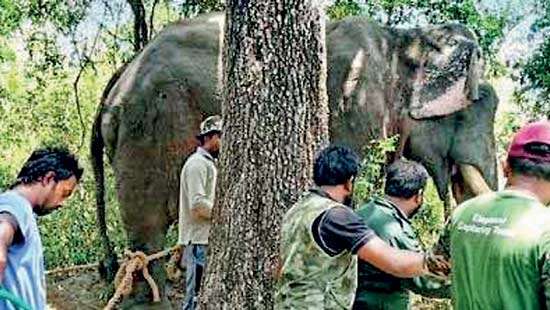
With the appointment of the new government, which holds a significant majority, many hoped its environmental promises would swiftly become a reality. Environmental activists, working at both local and international levels, voluntarily extended support to guide the government toward a sustainable future—where natural resources and biodiversity are safeguarded.
School Wall on the Brink of collapse
01 Sep 2025
3
712
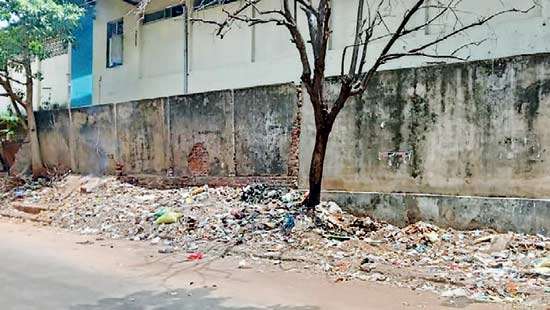
The boundary wall behind Kotahena Sinhala Kanishta Vidyalaya, located at 222, Maha Vidyalaya Mawatha (Central Road), Colombo 13, is in an alarming condition. A section has already collapsed (now covered with wooden planks/plywood to prevent any trespassing into the school), while another portion—precariously leaning against a tree trunk—is on the verge of giving way.
Listed lenders rake in bumper earnings
27 Aug 2025
2
2403
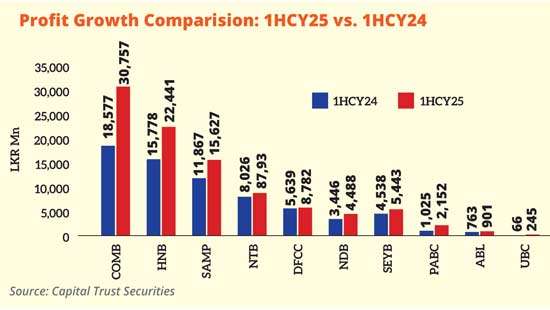
Sri Lanka’s listed commercial banks posted strong earnings for the June quarter, boosted by loan growth, lower provisions for bad loans and higher fee income, though margins narrowed, Capital Trust Securities said in a report.
Dr. Sanath Hettige - new president of the Independent Medical Practitioners’ Association
27 Aug 2025
1
1219
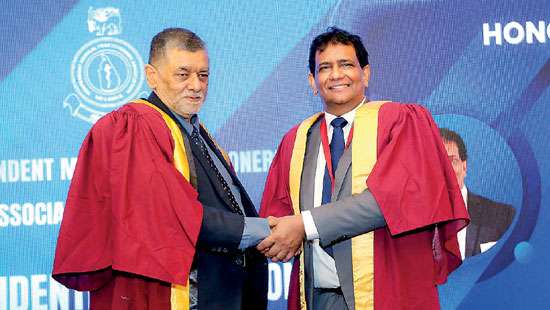
Dr. Sanath Hettige, renowned family physician, researcher, lecturer, and entrepreneur, was formally inducted as the President of the Independent Medical Practitioners’ Association (IMPA) at a ceremonial event held on August 22 at Water’s Edge.
Opposition Leader Calls on Prince William to Support Wild Elephant Conservation
27 Aug 2025
8
1099
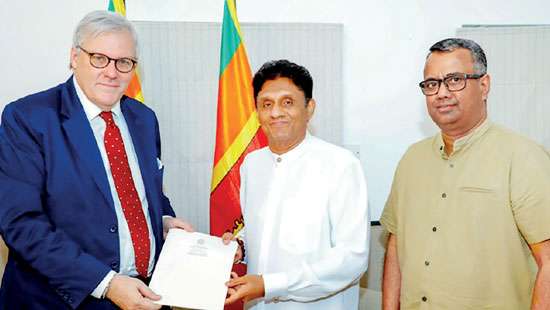
In the letter, Premadasa emphasised the escalating human–elephant conflict, which results in over 400 elephant fatalities and more than 150 human deaths each year, and highlighted the urgent need for a science-based national conservation strategy.
Navy fights kidney disease spread
21 Aug 2025
3
2159
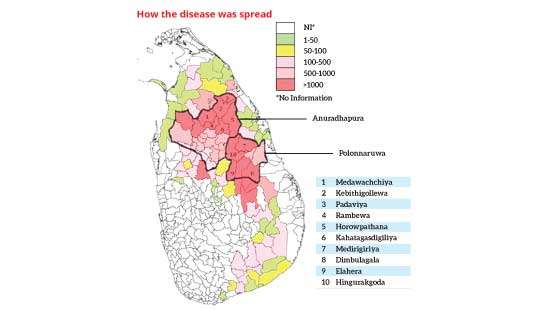
Navy installed over a thousand low-cost Reverse Osmosis (RO) water treatment plants to fight CKD, while successful in slowing the disease’s spread, the project’s long-term sustainability now requires government maintenance and centralized control.
Sigiriya among other towns threatened by North-central Maha Ela Project
21 Aug 2025
3
3569
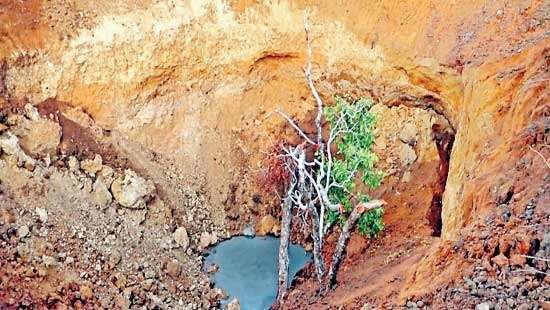
It is common for countries to launch development projects while they achieve economic growth. Such projects bring both benefits and drawbacks. Although various development work has been undertaken in Sri Lanka to minimise these drawbacks, some have still had adverse effects on the population. Maha Ela Project in the North Central Province is one such initiative. Implemented under the Ministry of Irrigation, it is estimated to cost 210 million US$
Why Households Must Be at the Heart of Disaster Risk Mitigation
21 Aug 2025
1
930
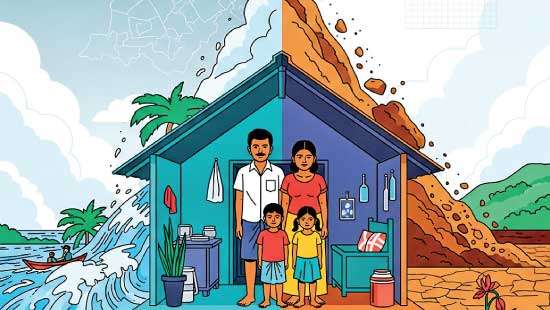
As Sri Lanka continues to grapple with the growing frequency and severity of natural hazards—from landslides in the central highlands to floods in the south and droughts in the north—a hard truth persists. Despite policy dialogue and institutional effort, our disaster management systems fall short in protecting the most vulnerable.
The Art of making promises and failing to fulfil them
20 Aug 2025
2
1523
It has been observed that the gamut of pledges disseminated to the people during election campaigns and then ignored after governmental power is secured seems to be common political behaviour followed by almost all political parties in the process of exercising Parliamentary democracy in this country.
The Politics of Hartals The ITAK is resorting to a well- used old tactic
20 Aug 2025
2
601
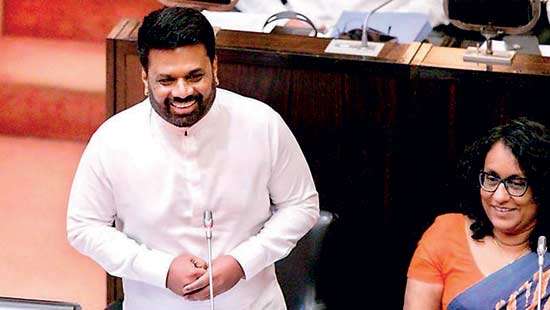
Like a tiger on its prey, Illankai Tamil Arasu Kachchi (ITAK) pounced upon the tragic death of a young man in Mullaitivu and turned it into grand political theatre.
UK reforms open door for more Sri Lankan apparel to enter tariff-free
20 Aug 2025
0
640
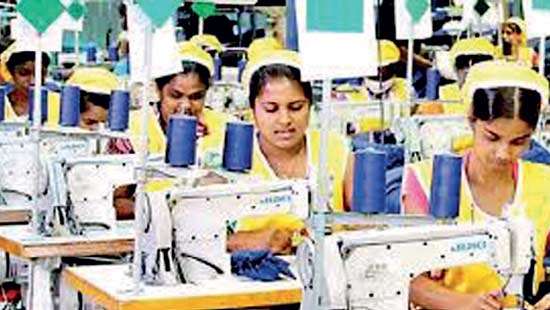
Sri Lanka’s apparel sector is set to gain wider duty-free access to the United Kingdom after the latter announced sweeping reforms to its Developing Countries Trading Scheme (DCTS), allowing manufacturers to source up to 100 percent of garment inputs from any country for final manufacture on the island.
Focus on Arugambay : Locals alert authorities to protect Sri Lanka’s sole surfers’ paradise
15 Aug 2025
12
5433
Sri Lanka’s surfing paradise, Arugambay attracts many local and foreign visitors during its peak season from July to October. Over the recent few years, this stretch of land has gained much attention, mainly due to the presence of Israeli tourists as claimed in media reports. A popular Australian DJ, who recently visited Arugambay, published a video claiming whether Arugambay is becoming Sri Lanka’s Tel Aviv. For passive onlookers, this may be a

Sri Lanka’s gem trade turns US tariff challenge into opportunity
14 Aug 2025
3
2821
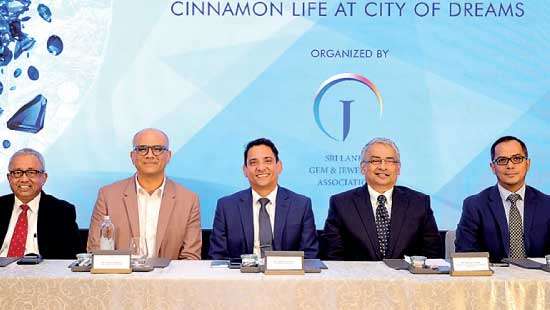
Sri Lanka’s gem and jewellery industry leaders are optimistic about weathering the potential US tariffs, anticipating a minimal impact on the exports.
The banning and legalisation of cannabis cultivation in Lanka
14 Aug 2025
15
1629
In 1935 under the Poisons, Opium and Dangerous Drugs Ordinance, the cultivation and use of cannabis was criminalised by the British, the colonial rulers of our country. However, cannabis has been used in Sri Lanka for traditional medicine and culinary purposes long before the British invaders entered our shores. There are no known specific or documented historical records of widespread cannabis addiction in ancient Sri Lanka.

Spotlight on Sarvodayapuram open dump yard facility
14 Aug 2025
0
660
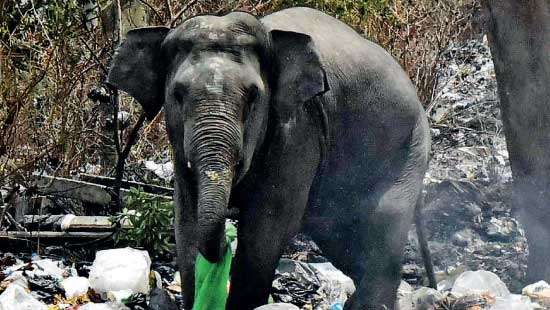
The Sarvodayapuram open dump yard, located a few kilometres away from the popular Arugambay tourism stretch, is a looming environmental hazard. During our recent visit to the site spread over approximately four hectares of land adjacent to an environmentally sensitive area, the Daily Mirror observed how municipal solid waste had been haphazardly dumped on either side of the road leading up to the actual dump yard.
Over Tourism or Over Visitation?
12 Aug 2025
10
3882
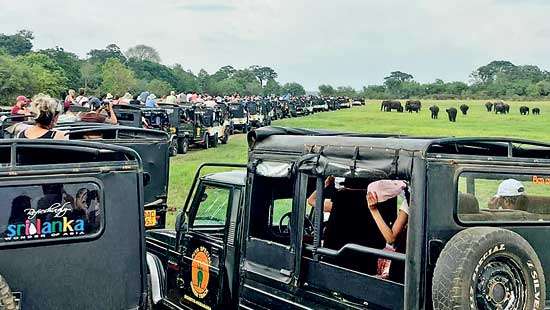
In the wake of the post-pandemic tourism boom, there is also mounting backlash against an excess of tourism in many countries. When too many tourists flock to a destination, exceeding its ability to manage it sustainably, it leads to negative impacts such as overcrowding, environmental degradation, strained infrastructure, reduced quality of life for residents, and a diminished visitor experience.
Supreme Court Reaffirms Environmental Rule of Law in Iron Ore Mining Case
12 Aug 2025
0
1006
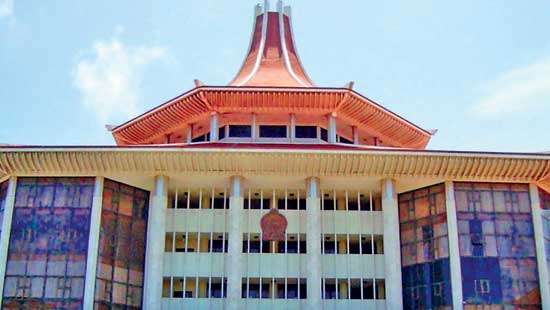
In a landmark judgment that underscores the primacy of environmental governance, Sri Lanka’s Supreme Court has overruled a 2011 decision by the Court of Appeal that mandated approval of a magnetite mining project by private partnership Uva Magnetite. The judgment highlights not just procedural deficiencies but the systemic necessity of upholding the rule of law in environmental decision-making.
75th Anniversary of an elephant who preferred death to captivity
12 Aug 2025
3
3234
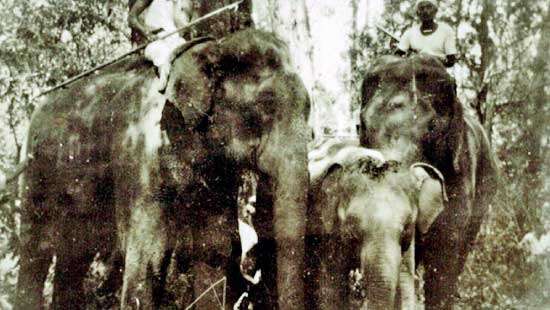
That single Rifle shot, fired on August 10, 1950 reverberated around the world and tugged at the warm heartstrings of a grieving nation for a fallen indomitable warrior. For the local national newspapers it was front page headline news screaming “Preferred Death to Captivity” under a photograph of the warrior at the very moment of death, defiant and fighting to the end. In England, the national newspapers carried it in prominent details, while th
When do accidents become pathological?
07 Aug 2025
3
1195
We have always seen bad accidents in Sri Lanka. That didn’t start yesterday, or last year. Some of them – bus, train, even air crashes – were terrible. But most major accidents occur on the roads, involving motor vehicles, rather than trains and aircraft. In 2024, 2,521 people died in road accidents. We shall therefore confine ourselves to that sphere for the sake of this discussion.