

Reply To:
Name - Reply Comment
People with CKD are more likely to develop food poisoning and other abdominal infections like Hepatitis A or diarrhea
One of the most concerning complications for people with CKD is the increased risk of infections
Skin infections like cellulitis can occur more frequently in people with CKD due to poor blood circulation and swelling in the legs
The symptoms of infections may be less noticeable in people with CKD, so it is important to pay attention to even mild symptoms or any abnormality in routine investigations. Patients should be aware of any health changes, even if they seem minor such as fever, cough, difficulty in breathing, lower abdominal pain, burning sensation while urinating or frequent urination, diarrhea, any skin rash and generalided body weakness
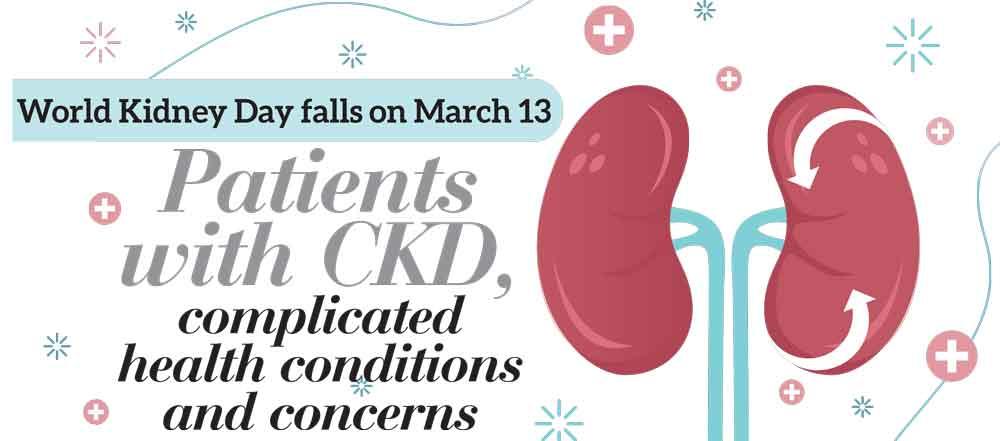
 In lieu of the World Kidney Day that falls on March 13, the National Institute Nephrology Dialysis and Transplantation launched a kidney health awareness campaign aimed towards the general public. Continuing with the series Dr. Rajeev Menon spoke with Dr. Dhammika Wimalaratne – Consultant Clinical Microbiologist of National Institute Nephrology Dialysis and Transplantation of Colombo on prevention and control of infections in chronic kidney disease patients. Chronic kidney disease (CKD) affects millions of people around the world and can lead to serious health problems. One of the most concerning complications for people with CKD is the increased risk of infections compared to the general population leading to frequent hospitalization and even death. Depending on the stage of the CKD, they can be in a pre-dialysis stage, dialysis stage or undergone kidney transplantation following kidney failure.
 People with CKD more likely to get infections
CKD impairs immune function of the body due to abnormalities in immune cell functions and decreased production of immune proteins leading to weakened immune system. This makes it harder for the body to defend against infections caused by harmful invaders like bacteria, viruses, fungi and parasites, making them more vulnerable. Most importantly, these patients can develop infections due to some pathogens which are not infectious to healthy people with normal immune functionsSince these people have to be involved in several medical procedures and medications, the risk of getting blood borne infections also increases.Kidney transplant recipients are more vulnerable to infections than the other CKD patients, because they must be on drugs that suppress the immunity (immunosuppressive drugs), most probably lifelong to prevent rejection of the transplanted kidney.
Types of infections common in CKD patients
|
Dr. Dhammika Wimalaratne
|
|
Dr. Rajeev Menon
|
People with CKD, especially those who are on dialysis and kidney transplant recipients are more prone to urinary tract infections which can potentially progress to more serious infection like pyelonephritis, which is an infection in the kidney. UTIs can cause lower abdominal pain, burning pain during urination, frequent urination, fever or chills.
Respiratory tract infections, such as bacterial, viral or fungal pneumonia and tuberculosis are common infections in CKD patients. The common symptoms are cough, difficulty in breathing and fever. These infections occur by inhalation of different pathogens. Early treatment is essential because respiratory tract infections can progress quickly to a state which is untreatable in people with CKD.
Patients who are undergoing peritoneal dialysis are at risk of abdominal infections such as peritonitis which is an infection in the abdominal lining caused by pathogens entering the abdomen through the peritoneal dialysis catheters. Symptoms of peritonitis include abdominal pain, fever, and cloudy dialysis fluid, and it requires immediate medical attention.
Moreover, people with CKD are more likely to develop food poisoning and other abdominal infections like Hepatitis A or diarrhea due to bacteria, viruses or parasites as food borne infections.
Skin infections like cellulitis can occur more frequently in people with CKD due to poor blood circulation and swelling in the legs due to fluid overload. It is important to inspect the skin regularly for infected wounds, pustules or skin abrasions, especially in individuals with diabetes. Poor circulation makes it harder for the body to heal cuts or injuries, which increases the risk of infections.
Fungal infections are more common in people with advanced CKD and kidney transplant recipients on immunosuppressive medications. For examples, Candida infections in mouth or blood stream, Aspergillosis or Mucormycosis in lungs or in sinuses, and fungal infections in the brain like Cryptococcosis. They can present with cough, difficulty in breathing, fever, discharge from the nose or headaches. Building construction sites can be a significant source of fungal infections such as Aspergillus infections due to the release of large amounts of fungal spores into the air with dust or debris. Therefore, these places should be avoided.
People with CKD are at risk of blood-borne infections, such as hepatitis B, hepatitis C, and HIV. These infections can spread through contaminated blood during procedures like dialysis or blood transfusions. It is essential to get regular screenings to detect any blood-borne infections early.
 Washing hands frequently according to proper techniques with soap and water is one of the most effective ways to prevent infections because most of the infections spread through contaminated hands. An alcohol-based hand sanitizer can also be used for hand hygiene unless the hands are not visibly dirty. Maintaining good personal hygiene is also important for prevention of infection.
To reduce the risk of respiratory infections, a well fitted face mask should be worn. Most important thing is to avoid overcrowded places and building construction sites as much as possible. Since any infection can be easily transmitted to them, they should stay away from people who are suffering from fever, cough, difficulty in breathing, skin rash or any other symptoms and should not share anything with them.
Vaccinations are a key preventive measure for some infections that could be life-threatening for people with weakened immune systems. Types of vaccines will be decided on staging of the CKD and whether kidney transplantation is done or not. Therefore, it is mandatory to adhere to medical advice and receive vaccination such as Hepatitis B, Chickenpox, Influenza and pneumococcal up to date to prevent acquiring infections and complications. Not only that, but these medical records should also be kept with them for future reference.
Drinking enough fluids is essential for flushing out bacteria from the urinary tract, which helps to prevent urinary tract infections. Medical advice should be taken on the amount of water intake, as too much fluid can strain the kidneys, while too little can increase the risk of infection.
For people on hemodialysis or peritoneal dialysis, it is important to regularly inspect dialysis catheters sites for any signs of infection such as redness, pain, discharge, fever or chills which can be signs of dialysis associated infection.
Cloudy effluent is an alarming sign of infection for those who are on peritoneal dialysis. If there is any suspicion of infection, healthcare provider should be contacted immediately.
Contaminated food and water are the main route of transmitting abdominal infections. Therefore, CKD patients and especially those with kidney transplantation should eat homemade thoroughly cooked hygienically prepared foods. Uncooked or raw fresh foods like salads and fruits should be avoided as much as possible. If they need to be taken, they should be homemade and properly washed. CKD can lead to malnutrition mainly because of poor appetite and protein loss. It can further compromise the immune system. Therefore, a balanced diet which is recommended for CKD patients should be taken.
Boiled and cooled water or filtered water should be consumed for drinking to prevent waterborne infections.
Some pets like cats, dogs, and birds, can carry diseases that may be transmitted to humans such as Toxoplasmosis and Histoplasmosis. This possibility is increased with weakening in immunity. Therefore, people who are diagnosed with CKD or following kidney transplantation, pets should be avoided. Especially direct contact with cat feces in instances such as cleaning cat’s litter boxes should be avoided.
There are some other general behavioral changes in life to be considered for a healthy life. They have to be physically active by engaging in daily activities. Smoking should be avoided or consider quitting. If they use alcohol, their intake should be limited. Other contributing factors for worsening kidney damage such as diabetes and hypertension should be controlled as these can further increase the risk of infection.
Mental health and emotional wellbeing are very important. Developing stress management techniques, such as relaxation exercises or talking to a therapist can help improve the quality of life. Additionally, getting enough sleep is crucial for overall health and immune function.
Conclusion- These people should schedule regular clinic visits with their nephrologist to monitor kidney function as well as to maintain good health. Maintaining a strong infection prevention routine and lifestyle modifications according to medical guidance is key to staying as healthy as possible.