Reply To:
Name - Reply Comment
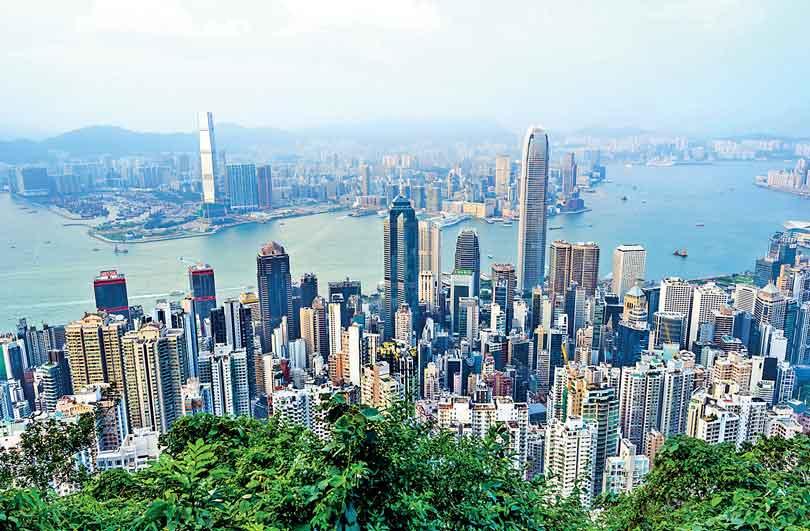
- China has become one of the countries with the lowest rates of homicide, criminal offences, and gun violence, and is widely recognised as one of the safest countries globally
- China’s urban rail transit network spans approximately 11,000 kilometres, ranking first globally. The total length of urban bus routes has reached 1.75 million kilometres
- China has built the world’s largest housing security system. The average living space for each urban resident now exceeds 40 square metres
- China has strengthened urban ecological governance and integrated the concept of green development into city construction, allowing residents to “see green through their windows and step into parks at their doorsteps
- In Harbin, Heilongjiang Province, a modern waste treatment plant powered by technology processes 1.9 million tons of household waste annually

Since the reform and opening-up, China has undergone the largest and fastest urbanisation process in the world. By the end of 2024, China’s permanent urban resident population had reached 940 million, accounting for 67% of the total population. In recent years, China has continued to promote people-centred new-type urbanisation, adhering to the principle that cities are built by the people and for the people. This has led to historic achievements in urban development. These transformations have not only improved citizens’ quality of life but also provided China’s solutions for global sustainable urban development.
1. Making Cities More Comfortable: Supporting the “Dream of Comfortable Housing” of Millions of Families
China has advanced urban and rural housing improvement to create a better living environment. Since 2013, large-scale renovation of shanty towns has taken place, allowing over 100 million people to move from dilapidated housing into new buildings by the end of 2018. Starting in 2019, comprehensive upgrading of old urban residential communities began. By 2024, 280,000 old communities had been renovated, benefiting more than 120 million residents and adding 78,000 community service facilities, including elderly care and childcare centres.
China has built the world’s largest housing security system. The average living space for each urban resident now exceeds 40 square metres. Over 68 million units of affordable housing and resettlement housing have been built, providing homes for more than 170 million low-income households.
Urban renewal has gradually shifted from government-led initiatives to community self-governance and market participation. In 2025, the Chinese government encourages localities to explore resident-led renovation of old housing. “Building quality homes that are safe, comfortable, eco-friendly, and smart” was written into the Government Work Report for the first time, reflecting a stronger commitment to meeting people’s demand for high-quality housing.
2. Making Cities Greener: Building a Harmonious Home for People and Nature
China has strengthened urban ecological governance and integrated the concept of green development into city construction, allowing residents to “see green through their windows and step into parks at their doorsteps.” Efforts to build “waste-free cities” focus on reducing solid waste at the source and promoting recycling. In Harbin, Heilongjiang Province, a modern waste treatment plant powered by technology processes 1.9 million tons of household waste annually, achieving 100% harmless treatment and generating over 720 million kWh of electricity from waste.
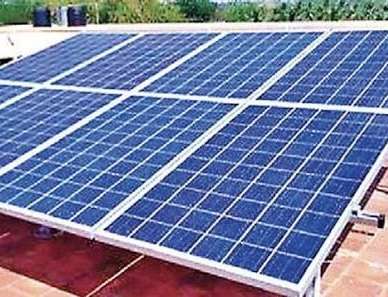
Green and low-carbon urban transformation is underway to return blue skies and clean water to the cities. Lenovo Group built the first “zero-carbon factory” in Tianjin, installing 30,000 square metres of rooftop solar panels. The plant generates over 5 million kWh annually and reduces carbon emissions by 3,000 tons.
China has established a robust network of urban parks and greenways, expanding accessible green spaces for residents. As of January 2025, China had built 212 national forest parks, 48,000 pocket parks, and over 128,000 kilometres of greenways. The green coverage rate in urban built-up areas reached 43.32%, with per capita park green space averaging 15.65 square metres.
3. Making Cities Safer: Safeguarding People’s Well-being and Happiness
China has improved urban safety governance to enhance the sense of security among residents. Modern technologies are used to boost the effectiveness of social governance. Over 300,000 smart security communities have been established nationwide. Technologies like AI-based hazard detection and smart gas leak alarms are now commonplace in residential areas.
Grassroots involvement has been mobilised to build a broad-based public security system. Across the country, more than 20,000 community-based organisations such as the “Red Maple Volunteers” and “Chaoyang Residents” actively participate in community safety patrols and police-community collaboration. In Shanghai, over 3,500 “Safe Houses” have been set up in security booths, convenience stores, and other community spots, staffed by security personnel and equipped with one-click emergency alarms, anti-riot tools, and first-aid supplies to provide residents with emergency shelter.
China has become one of the countries with the lowest rates of homicide, criminal offences, and gun violence, and is widely recognised as one of the safest countries globally. In 2023, the national public safety satisfaction index reached 98.2%, maintaining a level above 98% for four consecutive years.
4. Making Cities Smarter: Unleashing Development Potential
Urban planning and development are being enhanced to promote high-quality economic growth. Policies tailored to each city’s unique resources and conditions have helped define their roles within the national development landscape and foster specialised industries. For example, Karamay in Xinjiang has turned its geographical disadvantages into advantages by using its natural environment to supply green energy and cooling for data centres. The local cloud computing industrial park now hosts six large data centres and has become a key node in China’s “Eastern Data, Western Computing” project, while also serving Kazakhstan’s smart city projects. In 2024, its international computing orders surged by 210%.
Inter-city cooperation based on complementary strengths supports coordinated regional development. The provincial border area formed by Jiading District (Shanghai) and the cities of Kunshan and Taicang (Jiangsu Province) has created a world-class automotive industry cluster through deep industrial integration. In 2024, the combined industrial output value of enterprises above the designated size in these three cities exceeded 2 trillion Yuan, showcasing effective collaboration, shared growth, and regional prosperity.
5. Making Cities More Convenient: Building Seamless Public Transit Networks
China is improving its urban public transportation systems and encouraging low-carbon travel to provide residents with safe and efficient mobility options. China’s urban rail transit network spans approximately 11,000 kilometres, ranking first globally. The total length of urban bus routes has reached 1.75 million kilometres. Each day, 100 million trips are made via metro, another 100 million by bus, and 24 million by shared bicycles.
Digital and AI technologies are being used to tackle urban traffic congestion and improve transport efficiency. In Jingzhou, Hubei Province, the use of radar-video integrated traffic systems improved main road efficiency by 11.27% and reduced serious traffic accidents by 35.88%. In Hefei, Anhui Province, smart reversible lanes managed by robots boosted vehicle throughput by 30%.
Under the guidance of Chinese-style modernisation, urban development in China is undergoing a profound transformation in infrastructure, ecological environment, housing security, public services, transportation systems, as well as urban governance. Chinese cities are shifting from simply having enough to striving for excellence, and from rapid growth to quality growth. High-quality development has become the cornerstone of urban construction. Cities are no longer just engines of economic expansion but are evolving into spaces where people pursue a better life. Today, Chinese cities, with their inclusiveness, sustainability, safety, and livability, are bursting with unprecedented vitality and charm, vividly portraying the dynamic landscape of Chinese-style modernisation in the new era.