Reply To:
Name - Reply Comment
 The role of foreign aid in a nation’s development is often a subject of intense scrutiny and debate, particularly when it intersects with politics and sovereignty. In Sri Lanka, USAID (the United States Agency for International Development) has been a significant player in the country's growth, especially in areas such as education, health, agriculture, and governance. However, in recent years, USAID’s involvement has sparked controversy, particularly with regard to its funding of media empowerment programs.
The Media Empowerment for a Democratic Sri Lanka (MEND) initiative, funded by USAID, became a focal point of allegations that the agency was promoting a foreign ideological agenda that undermined Sri Lanka’s cultural and political integrity. Critics, including key political figures, claimed that USAID's financial resources were being used to destabilize the country and influence its political landscape. Accusations of foreign interference, political manipulation, and the promotion of Western values fueled a heated debate within Sri Lankan society. The situation escalated further with allegations that the agency's funds were used as part of a broader scheme to influence political outcomes, including the 2022 mass protests that led to the ousting of former President Gotabaya Rajapaksa.
As the controversy surrounding USAID’s funding intensifies, it raises important questions about the boundaries of international aid, the ethics of foreign influence, and the true intentions behind aid programs in politically sensitive environments.
USAID’s role in Sri Lanka’s development
USAID has been an influential entity in Sri Lanka for more than six decades, playing a central role in various aspects of the country’s development. Since its inception in Sri Lanka in 1956, USAID has provided funding for a wide range of projects, including health programs, disaster relief efforts, education reforms, infrastructure projects, and support for economic growth. Over the years, USAID has contributed to the improvement of agricultural practices, the expansion of trade opportunities, and the strengthening of democratic institutions.
In 2023 alone, USAID provided US $46 million to address the fertilizer crisis, a key issue in the country’s agricultural sector. The agency also assisted in the recovery efforts following Sri Lanka’s severe economic crisis, which was triggered by a combination of factors including government mismanagement, the COVID-19 pandemic, and the 2022 fertilizer ban. USAID’s assistance helped mitigate the immediate humanitarian crisis by providing food and essential supplies to vulnerable communities. The U.S. has provided more than $2 billion (approximately 720 billion Sri Lankan rupees) in development assistance to Sri Lanka since 1956.
One of the agency's most significant and visible contributions has been its support for civil society organizations and media development. USAID’s work in strengthening governance and democracy has often focused on supporting media organizations, advocating for press freedom, and enhancing the professionalism of journalists. The agency has allocated significant funding to programs designed to promote ethical journalism and media literacy. Among these initiatives was the controversial MEND project.
The MEND program
The Media Empowerment for a Democratic Sri Lanka (MEND) program, funded by USAID and implemented by the International Research and Exchanges Board (IREX), was launched with the goal of improving media literacy and fostering ethical journalism in the country. The project was allocated a budget of $7.9 million and aimed to train over 2,000 journalists and 20 media organizations in areas such as gender sensitivity, digital literacy, investigative journalism, and multimedia storytelling.
While these objectives were framed around enhancing journalistic skills and promoting media freedom, the program became a flashpoint for criticism. Many of the critiques centered on the program’s focus on gender inclusivity and the training of journalists to be more sensitive to issues such as LGBTQ+ rights and diversity. Critics accused USAID of promoting a foreign ideological agenda under the guise of media empowerment.
Former Member of Parliament Wimal Weerawansa was one of the leading voices in the criticism of the MEND program. He argued that the program was part of a broader conspiracy to influence Sri Lanka's youth and push Western values on the population. Specifically, Weerawansa claimed that the program promoted the LGBTQ+ community’s cause, which he viewed as incompatible with Sri Lanka’s traditional cultural and religious values. He described the program as a “massive waste” of taxpayer money, and accused USAID of attempting to influence the country’s social and political landscape.
“We are seeing how $7.9 million was spent to push an ideological agenda,” Weerawansa said, adding that the program's real objective was to encourage LGBTQ+ activism among young people. The allegations stirred considerable controversy, especially among religious and nationalist groups who viewed the promotion of LGBTQ+ rights as a threat to the country’s cultural and religious fabric.
These allegations were amplified by broader claims that USAID’s activities were part of a larger foreign effort to destabilize Sri Lanka. Critics like Weerawansa connected the MEND program to conspiracy theories that suggested USAID was using its financial resources to orchestrate regime change in Sri Lanka, much like it had allegedly done in other countries. According to these critics, USAID's funding was not about humanitarian aid, but rather about advancing political and social agendas that aligned with Western interests.
Allegations of political influence
One of the most contentious aspects of the controversy surrounding USAID’s funding in Sri Lanka was the allegation that the agency’s activities were designed to influence political outcomes. This accusation was particularly centered on the period leading up to the 2022 mass protests that led to the resignation of President Gotabaya Rajapaksa.
Several politicians, including Namal Rajapaksa of the Sri Lanka Podujana Peramuna (SLPP), echoed the concerns raised by Weerawansa, calling for a full investigation into USAID’s financial activities in Sri Lanka. Rajapaksa, a prominent figure in the SLPP and the son of former president Mahinda Rajapaksa, alleged that USAID’s funds were being used to destabilize the Sri Lankan government and cause political upheaval. He suggested that the protests against the Rajapaksa regime were not entirely organic, but had been fueled by foreign influence and financial support, including from USAID.
“We need transparency. These funds were used to create chaos and cause destabilization in Sri Lanka,” Rajapaksa posted on the social media platform X (formerly Twitter), demanding detailed reports on how USAID funds were being spent.
This line of argument was bolstered by fringe groups in Sri Lanka, who took to the streets in front of the U.S. Embassy in Colombo to voice their opposition to USAID’s alleged role in regime change. These protestors, including figures like former minister Sarath Weerasekara, called for a full investigation into the agency's activities. They argued that USAID’s funding was not meant for humanitarian aid but was part of a larger foreign agenda to intervene in Sri Lanka’s internal affairs.
In a remark made during a protest, Weerasekara said, “We are looking into how this money has been used for the regime change in Sri Lanka. We request a full inquiry into that.” He further stated that USAID’s funds had been used to support political factions and movements that were aligned with Western ideologies, ultimately leading to the downfall of the Rajapaksa government.
The accusations gained further traction when a report surfaced claiming that George Soros, the Hungarian-American billionaire and philanthropist, had received $260 million from USAID to fund activities aimed at destabilizing various nations, including Sri Lanka. While the veracity of these claims remains unclear, the report added fuel to the fire of growing suspicions surrounding the true nature of USAID’s operations.
In the face of mounting criticism, the U.S. Ambassador in Sri Lanka Julie Chung, firmly denied the allegations that USAID was involved in regime change efforts in Sri Lanka. During a meeting with members of the Sri Lanka Podujana Peramuna, Ambassador Chung explained that the funds allocated to Sri Lanka were aimed at supporting media development, fostering good governance, and promoting transparency and accountability in the public sector. She insisted that the funds were not used for political purposes and that USAID’s work in Sri Lanka had focused on empowering communities, supporting journalists, and improving the lives of citizens.
The U.S. Embassy's position was that the MEND program, along with other USAID-funded initiatives, was entirely focused on enhancing media literacy and fostering a more informed and democratic society. Ambassador Chung also emphasized that the program created thousands of jobs and provided valuable skills to journalists and media professionals in Sri Lanka.
Despite the vocal criticism from opposition politicians and fringe groups, the Sri Lankan government has largely downplayed the impact of USAID’s funding freeze, which came as a result of a broader shift in U.S. foreign policy under President Donald Trump. Following an executive order by Trump in January 2025, USAID's operations were severely curtailed, with staff numbers reduced from 10,000 to under 300, and funding for many international aid programs was frozen.
Sri Lanka's Cabinet Spokesman Nalinda Jayatissa commented on the decision, stating, "It’s Trump’s decision, isn’t it? I can comment if it is a decision by our government. Let’s see the outcome of this decision." Despite the freeze, Jayatissa appeared confident that Sri Lanka could find alternative funding sources, stating that the country was not solely dependent on USAID. "If they say they cannot give, we may have to go for alternatives," he said.
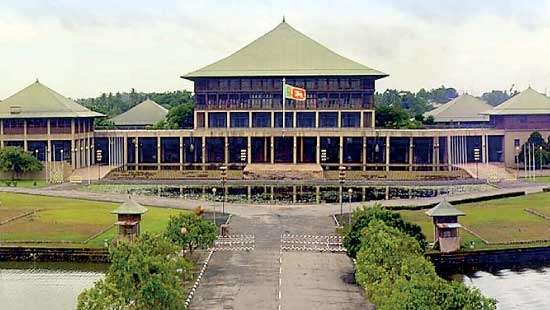
In the wake of the controversy, opposition members in Sri Lanka have pushed for a formal investigation into USAID’s funding and operations in the country. MP Dayasiri Jayasekara raised the issue in Parliament, calling for the appointment of a Parliamentary Select Committee (PSC) to examine the allegations surrounding USAID’s involvement in Sri Lanka’s political landscape.
Speaker Jagath Wickramaratne responded to the concerns, stating that he would take necessary action regarding the matter and consider the request for a PSC. The call for an inquiry into USAID’s activities reflects growing concerns about transparency, accountability, and the influence of foreign aid on Sri Lanka’s political and cultural autonomy.
In the midst of controversy, the government has also sought to address the allegations of misuse of USAID funds. Public Security Minister Ananda Wijepala said he would fully deal with allegations over USAID funding in Sri Lanka, and for that, he sought a report from the NGO Secretariat which is operating under his Ministry.
The controversy surrounding USAID’s funding in Sri Lanka has sparked a heated debate about the role of foreign aid in the country’s development and political processes. While USAID’s assistance has undoubtedly played a significant role in addressing pressing issues such as health, education, and governance, the allegations of political interference and ideological influence have raised serious concerns about the agency’s objectives.
Whether USAID’s funding has genuinely been used to further democratic values or whether it has contributed to foreign interference will likely continue to be a divisive issue. Moving forward, it is clear that transparency and accountability in foreign aid programs will be critical in ensuring that these funds serve their intended purpose without compromising the nation’s sovereignty.