Reply To:
Name - Reply Comment
 “Established during a period of social tension, Ambuluwawa was conceived as a space where different faiths could coexist peacefully—a living symbol of harmony.”
“What was once a barren hill has been transformed into a lush ecological zone, demonstrating a perfect balance between development and environmental stewardship.”
 “The ‘Amber Swing’ gives the thrilling sensation of floating above the mountains, offering panoramic views that have made it a global social media phenomenon.”

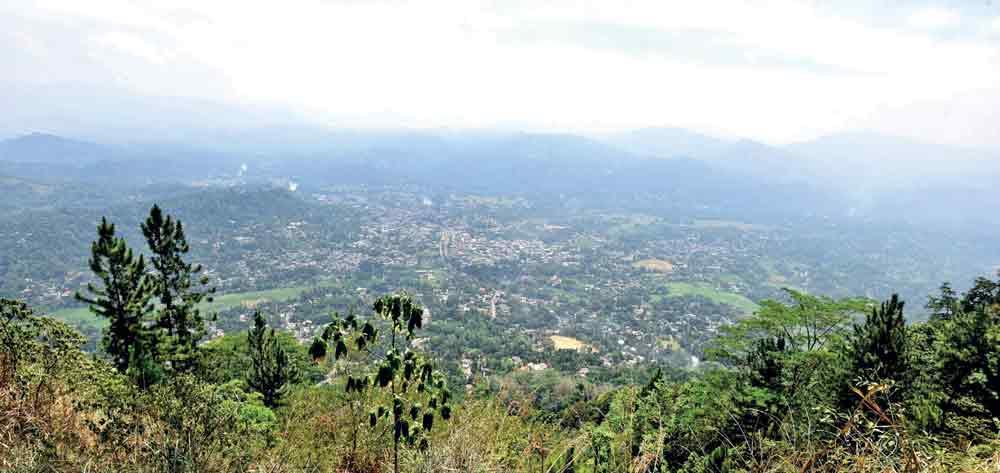
 Perched 3,765 feet above the central highlands, the Ambuluwawa Religious and Biodiversity Complex marks its 30th anniversary as a defiant symbol of Sri Lankan pluralism. What began in 1996 as a visionary response to social tension has blossomed into a 1,000-hectare ecological marvel. Today, Buddhist, Hindu, Islamic, and Christian shrines stand shoulder-to-shoulder amid lush reforestation. While modern thrills like the “Amber Swing” draw the Instagram generation, the complex remains rooted in its founding ethos: proving that environmental stewardship and religious harmony can provide a sustainable economic engine for the nation’s heartland.
Sri Lanka’s first biodiversity complex, the Ambuluwawa Religious and Biodiversity Complex in Gampola, continues to shine as a unique destination blending nature, religion, and tourism. Over the past three decades, the complex has evolved into a symbol of unity and sustainable development, drawing a growing number of local and international visitors.
A vision of harmony
Established in 1996 under the vision of former prime minister D. M. Jayaratne, Ambuluwawa was conceived during a period of social and religious tension. The aim was to create a space where different faiths could coexist peacefully.
Today, that vision is realised, with places of worship representing Buddhism, Hinduism, Islam, and Christianity within the same complex—a living symbol of harmony in diversity.
Nature preserved, adventure awaits
Perched 3,765 feet above sea level, the complex spans over 1,000 hectares, with 112 hectares dedicated to biodiversity conservation. What was once a barren hill has been transformed into a lush ecological zone, demonstrating a balance between development and environmental stewardship. Nearly 40 activity points now combine education, recreation, and spiritual engagement, offering experiences that appeal to visitors of all interests.
Among the most popular attractions is the “Amber Swing,” located on the edge of a steep mountain at the Dungawawa Biodiversity Centre. Reserved for adventurous tourists, the swing gives the thrilling sensation of floating above the mountains while offering panoramic views ideal for photography and social media. Safety is paramount, with internationally recognised harnesses and trained staff ensuring secure experiences for all visitors.
Adding a new dimension to the visitor experience is WL5 Ambuluwawa, a hotel concept nestled amid lush greenery at over 3,500 feet above sea level. Guests enjoy breathtaking views and a serene natural retreat, combining comfort with an immersive connection to the environment.
Governance and growth
Ambuluwawa operates under Act No. 44 of 2009, maintaining structured governance and accountability. Under the leadership of its current board, chaired by Anuradha Jayaratne, the complex has seen remarkable growth. Between 2019 and 2024, revenue increased significantly while capital assets rose from LKR 372 million to LKR 1.4 billion, reflecting both improved management and rising visitor demand.
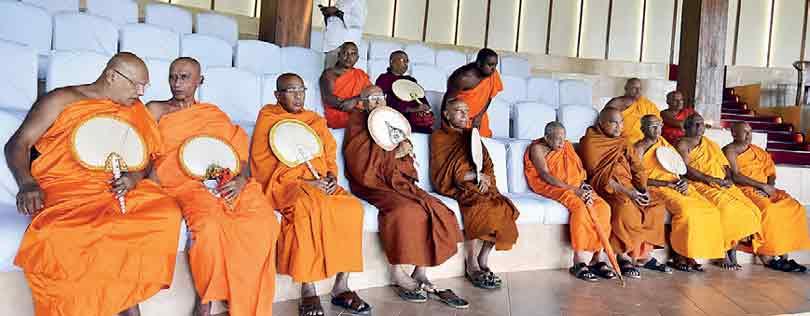
Religious and cultural engagement remains central to its identity. Leading Buddhist clergy, including Warakagoda Gnanaratana Thero, Makulewe Vimala Thero, and Karagoda Uyangoda Maithrimurthi Thero, alongside cultural figures such as Nilanga Dela, continue to strengthen its spiritual and national significance.
Milestones and future plans
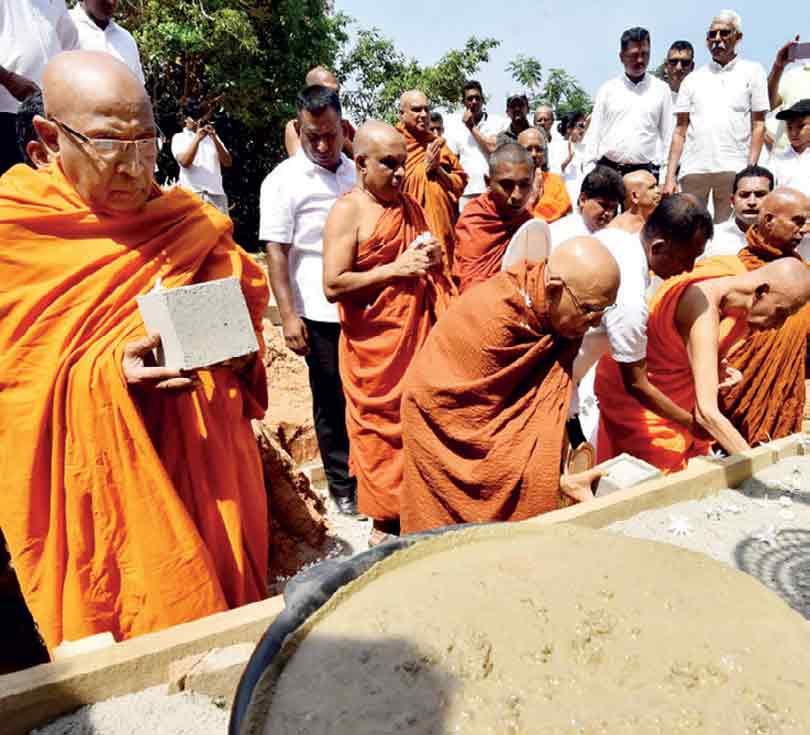
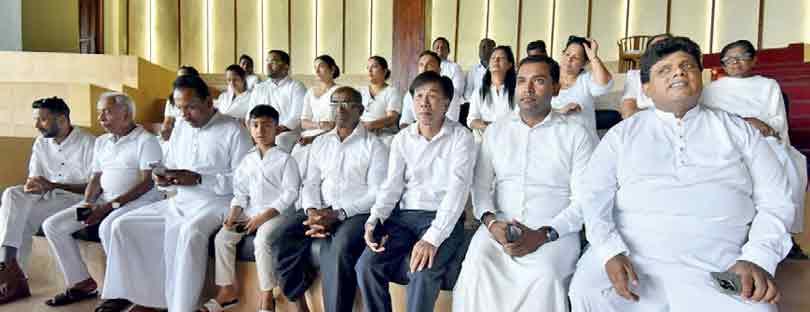
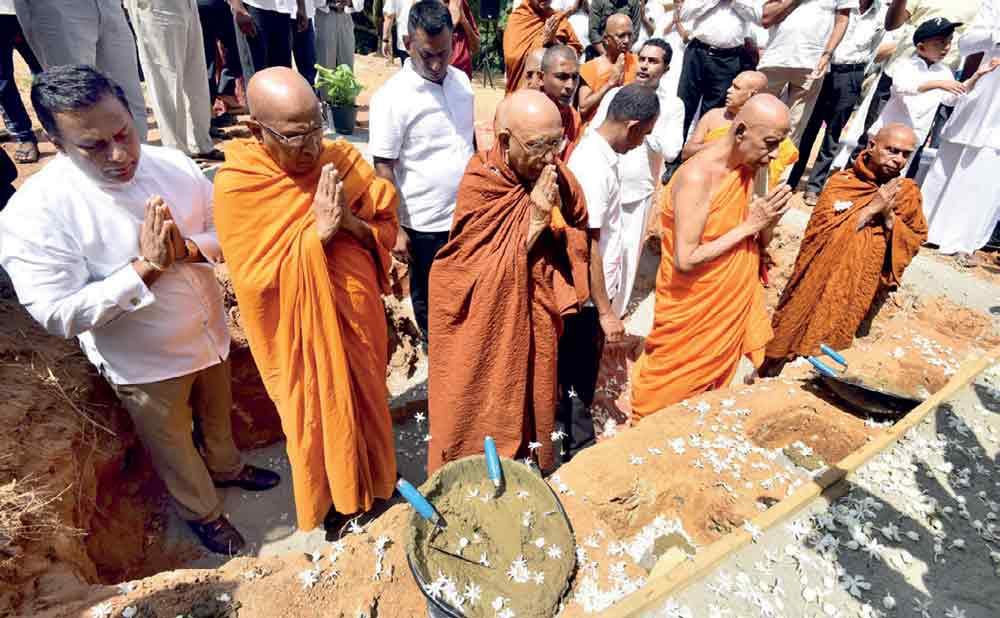
To mark the 30-year milestone, a series of initiatives have been launched, including the foundation stone for an international meditation centre and plans for the Niyangoda Vijithasiri International Library, which will house rare works. Interfaith ceremonies and community programmes reflect Ambuluwawa’s inclusive ethos. Notably, the meditation centre responds to tourist requests for a tranquil environment to reflect and meditate.
Proposed developments such as a cable car are expected to further enhance accessibility, cementing Ambuluwawa’s status as a leading destination for both adventure and relaxation.
Economic impact
Beyond its natural beauty and cultural significance, Ambuluwawa has become a powerhouse for local tourism and economic growth. By attracting thousands of visitors each year, the complex provides a steady boost to the Gampola and Kandy district economy supporting local businesses, creating jobs, and fostering community development. Adventure attractions like the Amber Swing, immersive accommodation at WL5, and ongoing infrastructure improvements continue to draw new generations of travellers, demonstrating that thoughtful tourism can be both inspiring and economically transformative.
Ambuluwawa cable car project work suspended
 |
 |
The construction of Sri Lanka’s first-ever cable car system at Ambuluwawa has been temporarily suspended following government orders, after misleading social media reports claimed landslides had occurred at the site due to Cyclone Ditwah.
The 1.8-kilometre cable car project, designed to transport visitors from Gampola Railway Station to the Ambuluwawa Agricultural Tower in just eight minutes, was nearing completion, with nearly 90% of the work already finished. The project had been scheduled to open this April. However, authorities have since confirmed that investigations found no evidence of landslides or any safety risks at the site.
Originally proposed in 2011 by the late Prime Minister D.M. Jayaratne, the project was initially estimated to cost around USD 9 million. Despite early enthusiasm, it remained stalled for years due to the lack of suitable contractors.
The project later regained momentum under the guidance of Anuradha Jayaratne. By engaging local engineers and companies, the overall cost was significantly reduced to USD 4.25 million. Notably, the development relies on Chinese technology and materials, with no direct financial burden on the Sri Lankan government.
Beyond its engineering significance, the cable car project is expected to transform tourism in the Gampola and Kandy districts. Officials estimate that foreign visitor numbers to the area could increase from 8% to 15%, offering a major boost to the local economy.
For now, however, the future of the project remains uncertain. Construction work has been put on hold until further notice, as authorities continue to review the situation following the spread of false information.
Ambuluwawa is more than a place to visit; it is an experience that combines adventure, nature, spirituality, and culture while supporting the local economy. It stands as a living example of how vision, harmony, and sustainable development can create a destination that leaves lasting memories for generations of visitors.