Reply To:
Name - Reply Comment
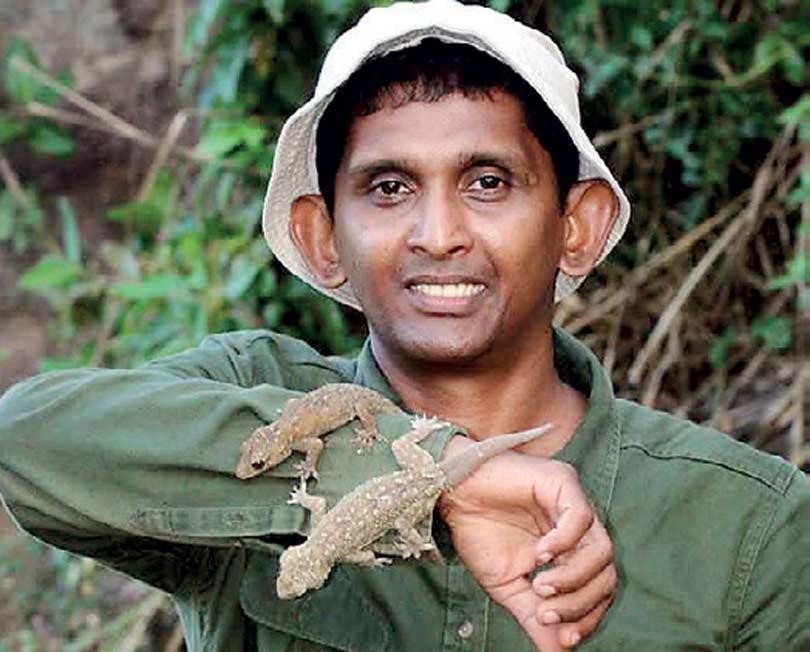
Sameera Suranjan Karunarathna (A member of the research team)
By Sugath Priya Kulathunga Arachchi
In the heart of Sri Lanka’s central highlands, a modest home garden has quietly evolved into a living laboratory—challenging conventional conservation wisdom and offering a blueprint for sustainable coexistence. A team of young researchers has spent 17 uninterrupted years observing, nurturing, and documenting the transformation of a 36-perch plot in Rambukpitiya, near Nawalapitiya, into a thriving biodiversity hotspot.
Their findings, published in “Loris”, the journal of the Wildlife and Nature Protection Society, reveal how even small, semi-urban spaces can support rich ecosystems when managed with ecological sensitivity and scientific rigour.
Led by Dushanta Kandambi, Thilina Surasinghe and Suranjan Karunaratne, the project began in 2008 with the purchase of a neglected plot, once used for mixed cropping. Rather than imposing artificial landscaping or exotic species, the team allowed native flora to regenerate naturally. They minimised human interference, avoided chemical inputs, and created microhabitats for amphibians, reptiles, birds, and mammals.
Their approach included:
Biodiversity treasure trove
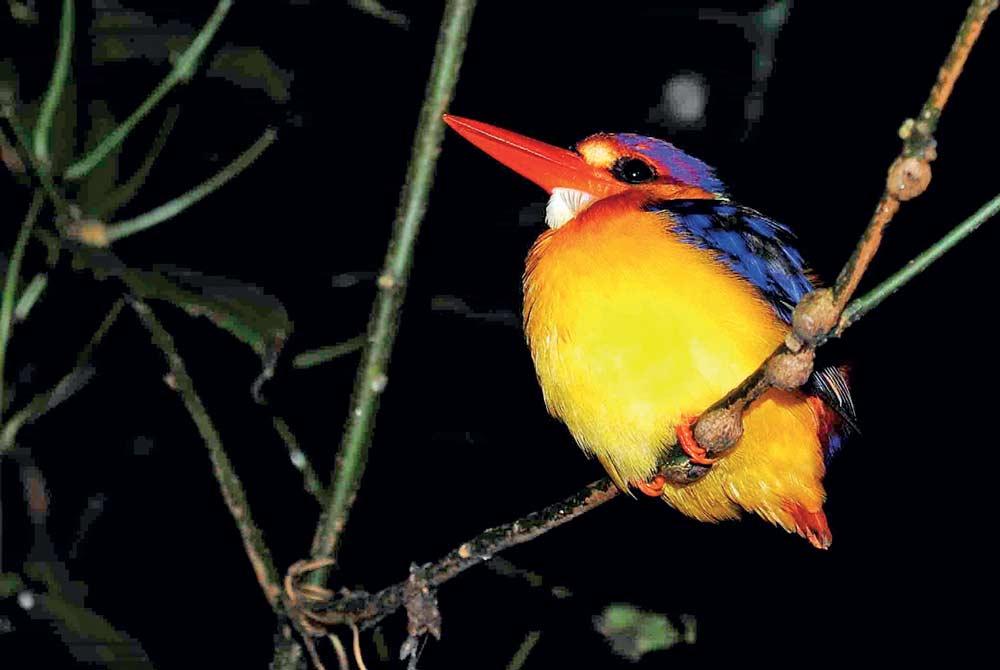
The results are staggering. Over 150 species have been identified, many of them endemic or threatened:
More than 75% of the species are endemic to Sri Lanka’s wet zone. Some, like the vivid red frog and pale-bellied leaf-nosed bat, have only been sighted within this garden. Several species are listed in the National Red List as critically endangered or vulnerable.
The garden has become a refuge for injured and displaced wildlife.
Thousands of animals—especially snakes, amphibians, and rare reptiles—have been rehabilitated and released. The site now functions as a grassroots sanctuary, driven not by profit but by a deep sense of ecological responsibility.
Importantly, the researchers argue that such spaces should not be viewed as degraded landscapes but as dynamic components of sustainable development. Their work aligns with emerging global perspectives that advocate for integrating biodiversity into human-dominated environments.
This study resonates far beyond Sri Lanka. In an era of rapid urbanisation and climate disruption, it offers a replicable model for community-led conservation. It challenges the notion that biodiversity can only be preserved in remote reserves and underscores the role of everyday spaces—gardens, schoolyards, temple grounds—in ecological resilience.
Today, the site stands as a beacon of hope and learning. It welcomes schoolchildren, families, and nature enthusiasts to witness firsthand the wonders of Sri Lanka’s biodiversity. It’s not just a garden—it’s a philosophy in action: Live in harmony with nature, not in dominance over it.
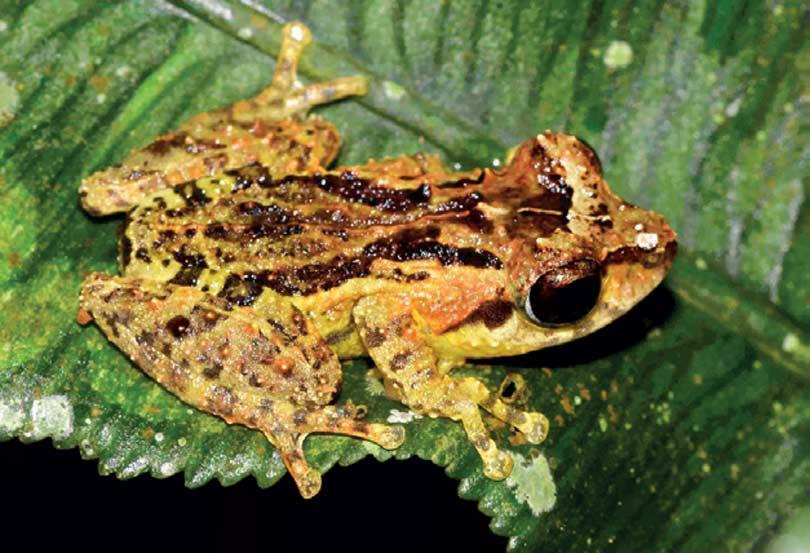
Pseudophilautus nemus- Whistling shrub frog
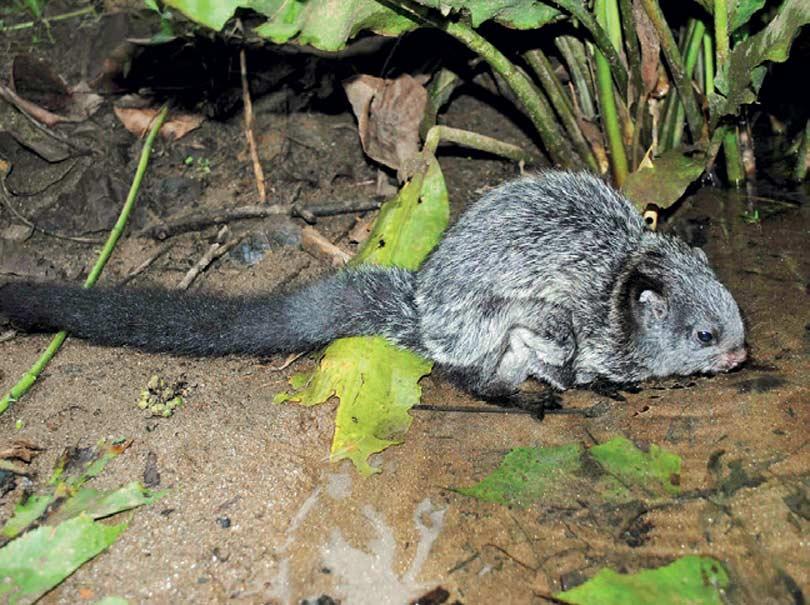
Petaurista philippensis- Giant flying squirrel
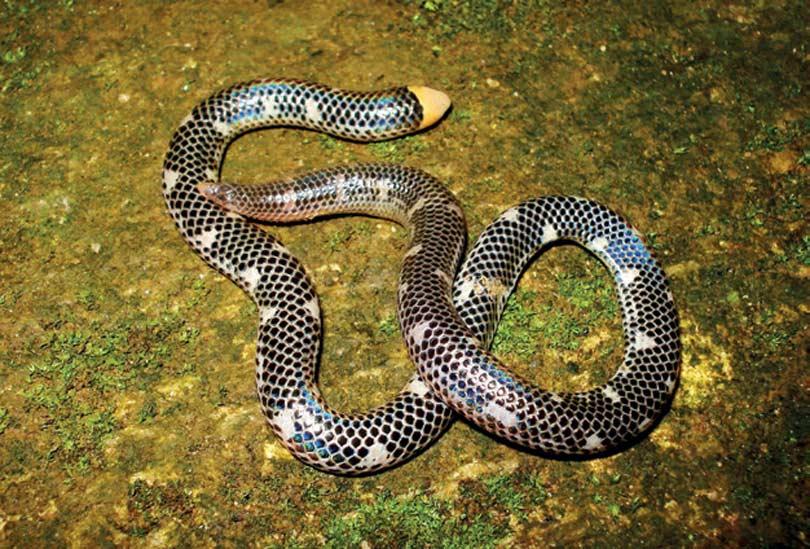
Rhinophis homolepis- Kelaarts earth snake
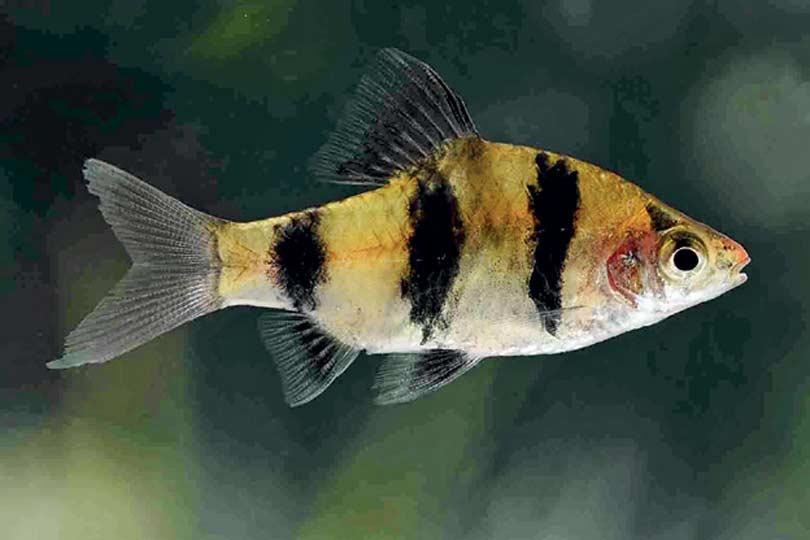
Pethia nigrofasciata- Sri Lanka Black Ruby Barb
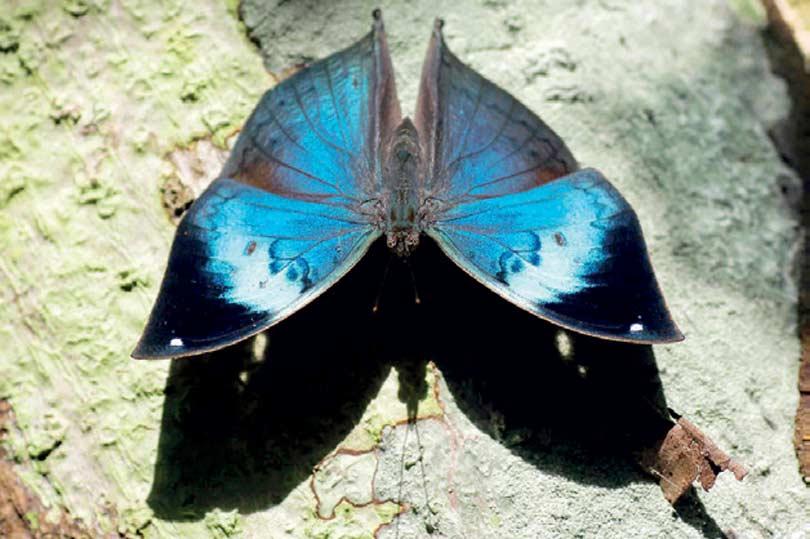
Kallima philarchus- Sri Lanka Blue Oakleaf
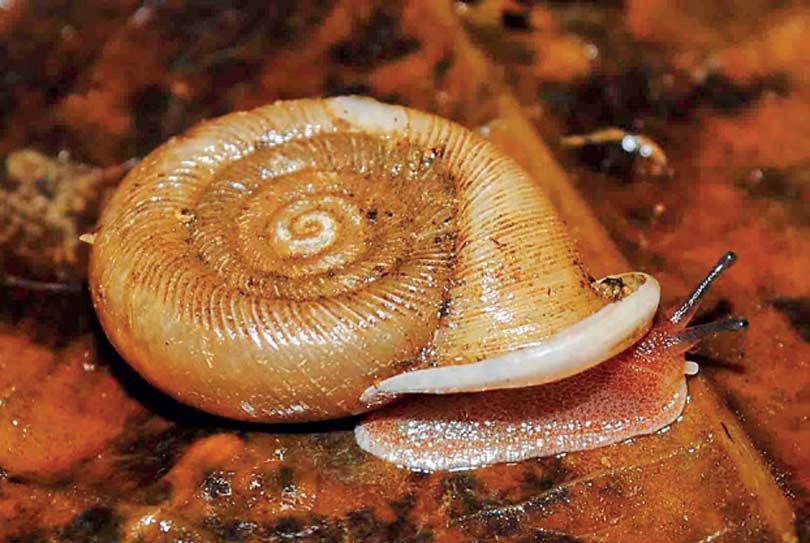
Corilla carabinata- Toothed Lip Snail