Reply To:
Name - Reply Comment
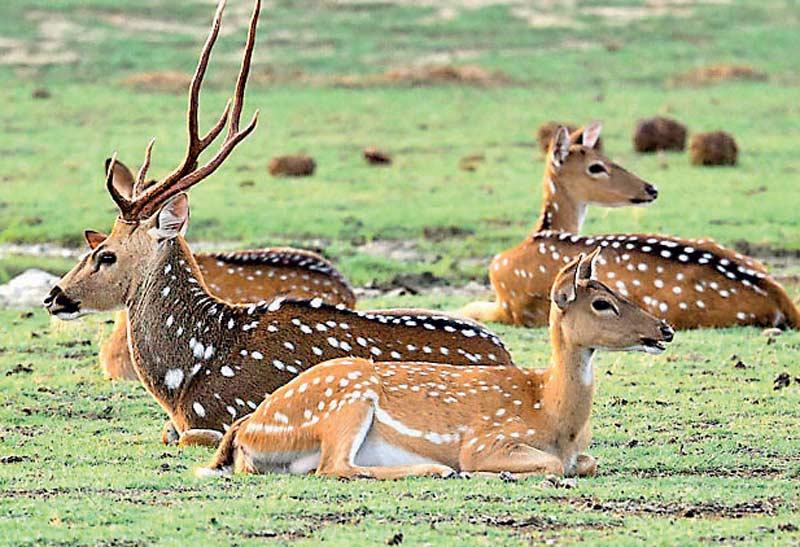
Sri Lanka’s massive diversity of wildlife is not only crucial for environmental stability, but also serves as services and as a source of inspiration, scientific discovery, and cultural significance
Each year on March 3, the whole world organises different activities to remark World Wildlife Day, focusing on awareness raising about the importance of wild fauna and flora to our planet.
Currently, Sri Lanka stands out as a model of natural glory and conservational innovation, reflecting the beauty and diversity of life on the earth. This island is well-known for its rich biodiversity, cultural heritage, eco-tourism and nature-based esthetic values which offer an inspiring example of how humanity can live in harmony with nature.
Wildlife includes the magnificent collection of life that inhabits our planet, ranging from the tiniest microorganisms to large mammals. It creates an elaborated network of organisms that work together to sustain the balance of nature and diversity. Each species, regardless of its size or the gene pool, plays a vital role in maintaining the health of ecosystems, contributing to processes such as pollination, seed dispersal, and nutrient cycling. This massive diversity of wildlife is not only crucial for environmental stability, but also serves as services and as a source of inspiration, scientific discovery, and cultural significance.
Adapting to unique surroundings
Across the world, wildlife increases in a variety of habitats from tropical rainforests and expansive savannas to dry deserts and vibrant coral reefs. In every corner of the Earth, species have adapted to their unique surroundings, creating complexities of wild life that exemplifies the power of evolution and natural selection. These living creatures, in their myriad forms, remind us of the resilience and creativity inherent in nature.
However, the diversity and complexity of wildlife are increasingly under threat. Human activities including deforestation, urban expansion, pollution, and climate change are influencing the natural habitats and wildlife. These challenges have led to a weakening in biodiversity, putting countless species at risk of extinction. The urgent need for conservation and sustainable practices to protect wild life is highly needed worldwide.
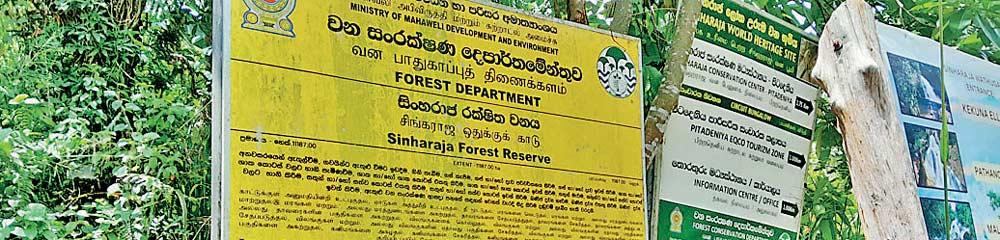
The Sinharaja Forest Reserve
By expanding our understanding of wildlife and its interconnectedness, we can substitute a sense of conservation toward the natural environment. Acceptance of conservation efforts not only protects these unique species, but also ensures an improved, more balanced earth for future generations.
When we look at the global conservation efforts, it is a successful strategy to empower the communities to protect the inherent nature. Through sustainable practices, scientific research, awareness and education, people tie hands to protect wildlife and habitats especially to ensure the diverse species prosper. Each conservative action contributes to a harmonious balance between humanity and the natural world for a truly sustainable future.
World Wildlife Day is more than just a celebration for humans. This day calls for everyone to take action against the grievances of wildlife. This day reminds us that every species, no matter how small, contributes to the complicated web of life that sustains our earth. With upcoming challenges such as habitat loss, climate change impacts and pollution, this day serves as a powerful reminder of the urgent need of protecting worldwide nature. This day encourages governments, communities, and individuals to commit to conservation efforts and to support policies that safeguard the environment for future generations.
For example, Sri Lanka has a unique geographical location. This island has varied climatic conditions that gifted it with an amazing treasure of flora and fauna. From thick rainforests to spreading grasslands, this Island is a mixture of habitats that encourage a vast range of endemic species including 21 endemic mammals, 26 bird species, 113 reptile species, 112 amphibians and 50 fish species.
The Sinharaja Forest Reserve is one of Sri Lanka’s most treasured ecosystems and it has identified as a UNESCO World Heritage Site attracting more local and foreign visitors. This tropical rainforest can be valued as a living museum of biodiversity, sheltering countless endemic species of birds, insects, and plants etc. Its lavish canopy and verdant undergrowth provide a rare sign of an unspoiled environment that has remained relatively untouched by modern development projects.
Yala National Park is also important with the spirit of the wildlife. Yala is popular for its robust population of leopards, elephants, sloth bears, and a myriad of bird species. This National Park gives sceneries from thick jungles to open grasslands making it a preferred destination for wildlife visitors and researchers alike. Successful wildlife conservation attempts in Yala, have become a model for similar initiatives worldwide.
The other popular wildlife destinations are Udawalawa and Minneriya. Both parks offer their own unique wildlife and biodiversity. Udawalawa National Park is highlighted for its large herds of elephants, which play a vital role in maintaining the ecological balance of the area. In the meantime, Minneriya is famous for the annual gathering of elephants providing a remarkable natural phenomenon that shows the social behavior and resilience of these majestic species.
Sri Lanka’s commitment to wildlife conservation is evident in its comprehensive approach, which integrates scientific research, sustainable tourism, and community participation. Government agencies and nongovernmental organizations have collaborated to create wildlife corridors, reduce human-wildlife conflicts, and implement stringent anti-poaching measures. Local communities, deeply connected to the land and nature through generations, actively participate in conservation programs, ensuring that traditional knowledge and modern science work hand in hand.
Innovative projects aimed at rehabilitating degraded habitats and fostering eco-friendly tourism are helping to bridge the gap between development and environmental preservation. By promoting responsible travel, Sri Lanka is not only protect its natural heritage but also empowers local communities, creating a sustainable model for biodiversity conservation.
Although there are successful stories, wildlife of Sri Lanka, faces several challenges. Addressing these issues requires continuous commitment, innovative strategies, and global cooperation. Efforts to expand protected areas, rehabilitate damaged habitats, and educate the public about the importance of biodiversity are critical steps in ensuring that Sri Lanka’s natural wonders endure for future generations.
World Wildlife Day 2025 is a reminder that every species has a role in the outstanding wall-hanging of life. Sri Lanka’s diverse landscapes and rich cultural heritage underscore the importance of preserving our natural world. As we celebrate the beauty of wildlife from the silent leopards of Yala to the ancient, whispering trees of Sinharaja Forest we also renew our commitment to conservation philosophy.
This day inspire all people to take meaningful actions. Whether through supporting local conservation projects, advocating for sustainable practices, or simply spreading awareness, each of us can contribute to the protection of our planet’s incredible biodiversity. On World Wildlife Day 2025, let’s celebrate Sri Lanka’s natural treasures and commit to a future where both humanity and wildlife can flourish together.