 Kamanthi Wickramasinghe
 Reply To:
Name - Reply Comment
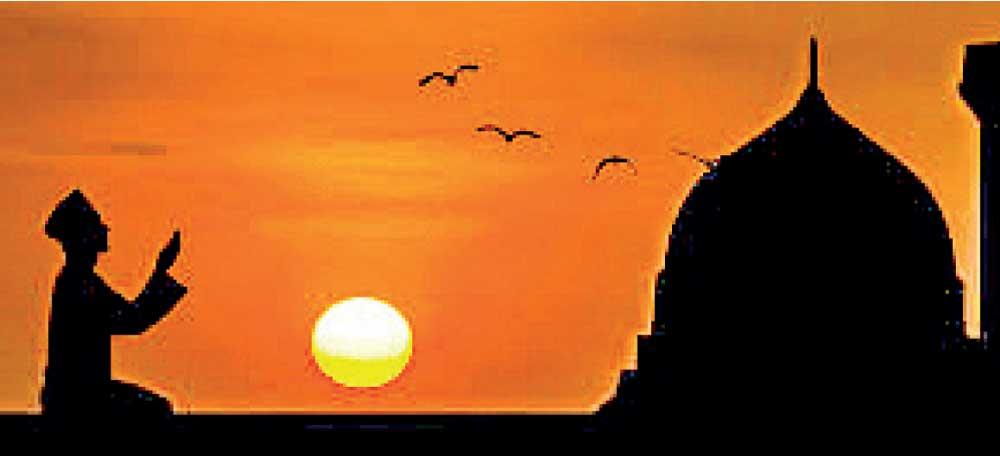
Muslims from around the world will soon unite in a ritual of daily fasting from dawn to sunset as the holy month of Ramadan begins. Ramadan is the holiest month in the Islamic calendar, commemorating the first revelation of the Quran to Prophet Muhammad. It is a month of intense spiritual rejuvenation with a heightened focus on devotion, during which Muslims spend extra time reading the Quran and performing special prayers. They also observe fasting from food and drinks during the sunlit hours while cultivating self-control, gratitude, and compassion for those less fortunate.
Beginning of Ramadan
The sighting of the crescent moon is one of the most anticipated events during the month of Ramadan. It is after the moon has been sighted that the relevant institutions and courts in different countries declare Ramadan.
Ramadan begins 10 to 12 days earlier each year. This is because the Islamic calendar is based on the lunar Hijri calendar, with months that are 29 or 30 days long.
According to sources, for nearly 90 percent of the world’s population living in the Northern Hemisphere, the number of fasting hours will be a bit shorter this year. It will continue to decrease until 2031, when Ramadan will encompass the winter solstice, the shortest day of the year.
For fasting Muslims living south of the equator, the number of fasting hours will be longer than last year.
The Essence of Fasting
Fasting is one of the Five Pillars of Islam, along with the profession of faith, prayer, almsgiving and pilgrimage. For Muslims, Ramadan is a time to train themselves both physically and spiritually by avoiding any negative acts such as gossiping, backbiting, lying, or arguing. Muslims welcome Ramadan as an opportunity for self-reflection and spiritual improvement, and as a means to achieve greater ‘taqwa’ or spiritual consciousness. All Muslims who have reached puberty are obligated to fast. However, people for whom fasting would be a hardship are exempted from fasting. This includes anyone who is sick or travelling; women who are pregnant, nursing, or on their periods; or older people who are too weak or ill to fast. They should make up the fast later, except for those who cannot fast due to age or chronic illness. Instead, they can feed a poor person for every day of fasting which they miss.
Engaging in charity
In Islam, the act of giving back is highly emphasised, especially during Ramadan. The holy month emphasises the importance of zakat (required almsgiving) and sadaqah (voluntary charity), highlighting the deep generosity within the faith. Zakat, a fundamental aspect of Islam, demonstrates the religion’s organised method of giving to those in need, with the goal of reducing poverty and redistributing wealth. During Ramadan, the focus is on the significance of zakat, prompting Muslims to contemplate their spiritual and societal duties. This period emphasises zakat as more than just a financial duty, but also as a way to attain spiritual purification and strengthen community bonds.
Sadaqah, on the other hand, encompasses a wide range of charitable deeds, going beyond financial contributions to include any act of kindness that alleviates someone else’s suffering.
This is particularly important for Sri Lanka in the post-Ditwah situation where many individuals are affected by landslides and floods. The world is in turmoil and simple acts of charity such as providing packs of dry rations to people observing fasting could go a long way.
Ramadan cuisine
It also celebrates unity with a diversity of food made during suhoor (meal eaten before dawn) and iftar (meal eaten after sunset during Ramadan). Muslim communities around the world prepare various cuisine to be shared among their family members, relatives and neighbors on Eid-al-Fitr to mark the end of Ramadan. In Sri Lanka it had always been biryani and watalappan with a glass of falooda and a variety of other snacks.
Renewing spiritual obligations
Many Muslims engage in taraweeh prayers (night prayer) during Ramadan where entire families would come to the mosque to listen to recitations of the Quran. Mosques often accommodate women during this period. During this period, Muslims look forward to LaylatulQadr or the Night of Power during the last 10 nights of Ramadan signifying and commemorating the day the Quran was first revealed to Prophet Muhammad. Ramadan is also a month for many Muslims to set new goals in their spiritual journey. Some would abstain from harmful habits and make commitments to their faith and continue doing amal (actions or deeds which serve as a spiritual expression of the faith).