Reply To:
Name - Reply Comment
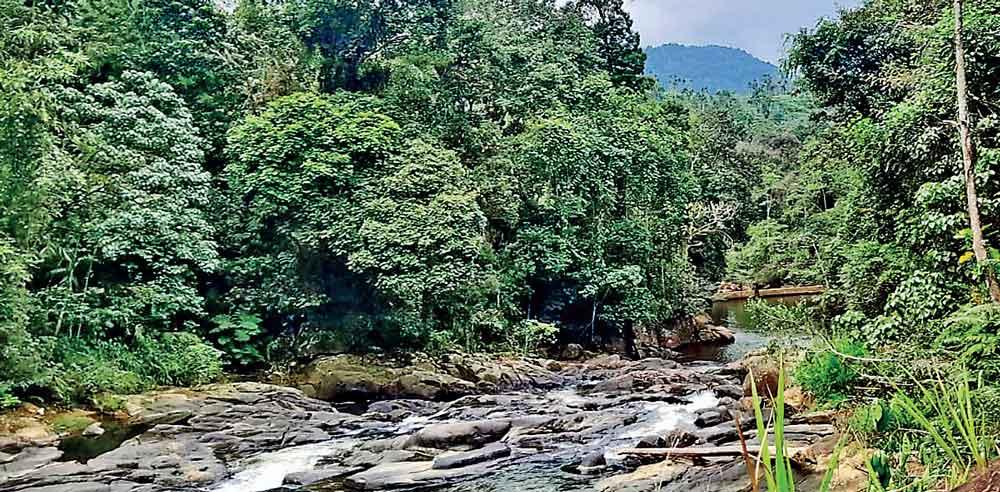
Sath Mahal Ella -- contaminated water flows in these natural sources
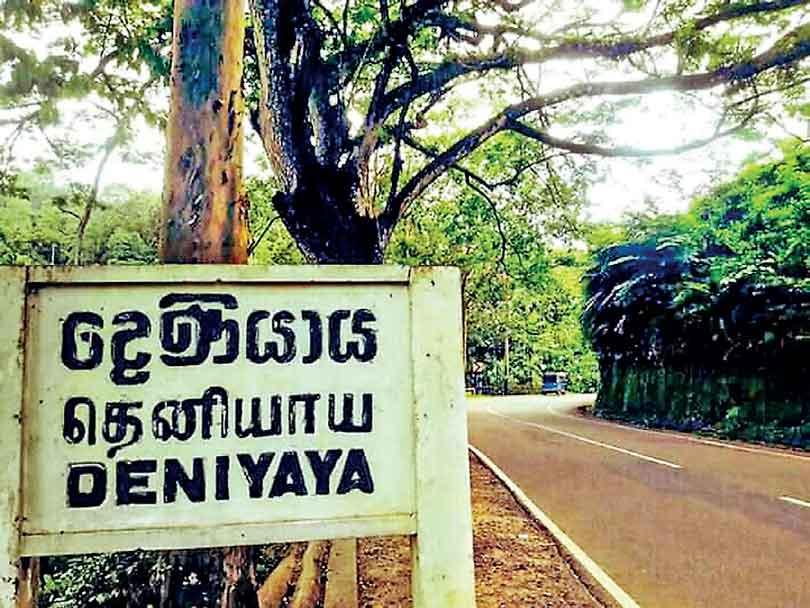
The sudden spread of meningitis forced schools to close in Deniyaya area
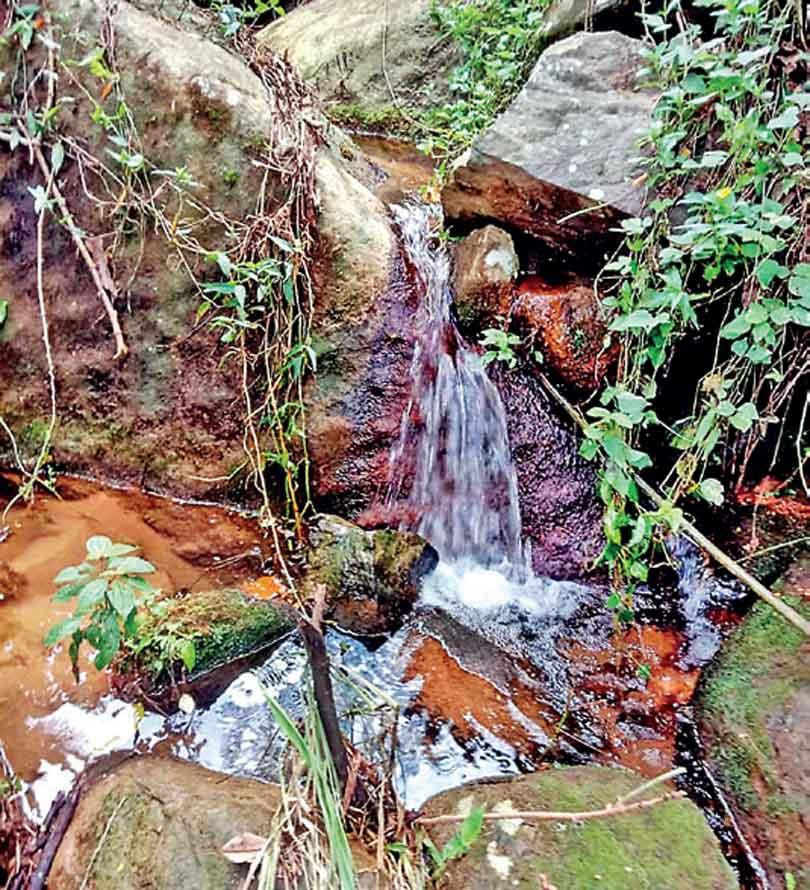
Pipes are used to draw water in from natural sources
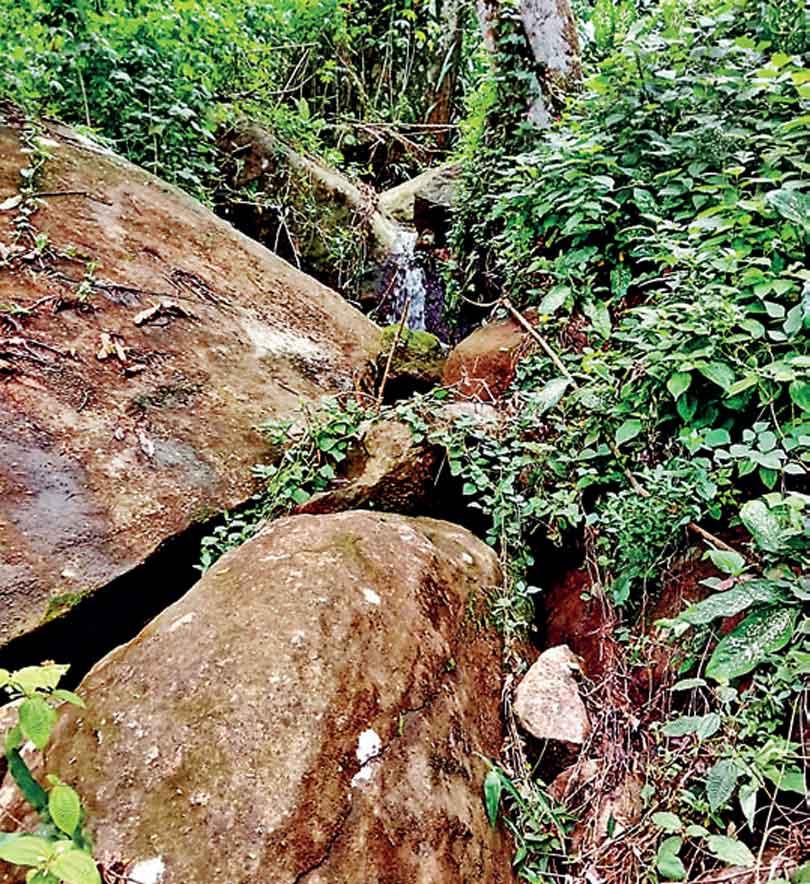
Polluted natural water sources have been primary carriers of the infection
- A spokesman for a leading school in Deniyaya area said samples of water are subjected to laboratory tests once a month. However, he said the test reports are not received by the schools
By Prageeth Sampath Karunatilaka
Recently schools in and around Deniyaya were closed down due to a suspected spread of meningitis. Subsequent laboratory tests carried out by the health authorities confirmed that the spread of meningitis was caued by viral and bacterial infections in the area mainly due to the use of polluted water.
It has been revealed that the people in the affected area depend on natural water resources including fountains and community water supplies to meet their requirements of drinking water. Surrounded by the Sinharaja rainforest and other sub forests, the area is environmentally highly senstive. Laboratory test have established that these water resources are polluted with human waste and contained contituents unfit for human consumption.
Public Health Insprector in Pallegama North in Deniyaya, Kasun Amarasekara pointed out that the water from natual water resources and the community water tanks used by the people contained human waste. He said the health authorities had made proposals for several years to resolve this issue, but they have been brushed under the carpet with the change of governments.
Meanwhile, a spokesman for the education sector in the area said the health authorities have informed all schools not to use water from fountains and streams, and the community water services. They have informed that these water resources contained constituents unfit for human consuption.
Health authorities suspect that a large number of families specially those working in tea plantations have been living closer to natural streams and, as there are no proper sanitary facililites, the water sources get polluted. The disease reported first from Deniyaya in the Matara district in April has now spread to Rikillagaskada, Nuwara Eliya, Kandy, Welimada, Diyatalawa and Badulla districts as well. According to the Epidemeological Unit records, nearly 250 patients suspected as Meningities positive have been reported.
When the situation worsened, it resulted in the closure of schools in Deniyaya area for several days. Public Health Inspector Kasun Amarasekara said human waste and other waste matter drifted away by storm water during the rainy season resulted in pollution of drinking water resources and that laboratory tests of samples of water established it. The people in Deniyaya area depend mostly on community water services and natural water resources for their requirements of drinking water. Although water is supplied by the National Water Supply and Drainage Board to the schools in the urban areas, the rural schools depend on community water services and the natural water resources.
The PHI further said that they have made proposals to resolve this issue since a long time, but to no avail.
A spokesman for a leading school in Deniyaya area said samples of water are subjected to laboratory tests once a month. However, he said the test reports are not received by the schools. He said the fountains and streams in the area are polluted, and that steps have been taken to supply water to the schools in the area only from the NWSDB water service and the wells.
Chairman of Kotapola Pradeshiya Sabha Chaminda Gunasekara said health authorities have taken steps to control the spread of Meningitis in the area. He pointed out that the people depended on three main sources of water including the water supply of the NWSDB, the community water supply projects and the water supply of the Pradeshiya Sabha. He said the Pradeshiya Sabha had implemented a programme earlier to create public awareness on the importance of chlorinating of water.
He pointed out that the people have been in the habit of tapping water in fountains and streams with pipes and that the samples of water collected from these water resources have established that they are polluted with waster matter including human waste, and that this resulted in the spread of Meningitis in the area. The chairman said steps have been taken to be watchful of the situation and to create awareness among the people. He further said steps would be taken to resolve the water pollution issue soon.
Meanwhile the health authorities have warned of the possibility of contracting the disease through polluted water, unwholesome food and unclean hands. They have informed the schools to immediately refer to medical examination of any student who developed fever, stiffness of the neck, convulsion, and restlessness.
The Ministry of Education has informed the schools to strictly adhere to the sanitary guidelines including washing of hands, use of safe water, constant cleaning of toilets, maintain ventilation in class rooms, and avoiding individuals showing any of the symptoms of meningitis.