Reply To:
Name - Reply Comment
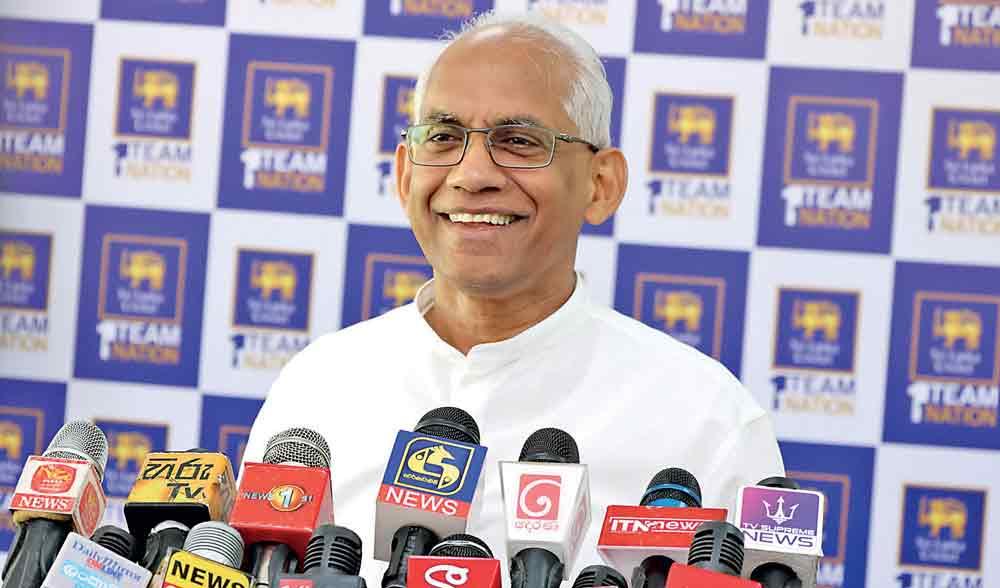
The newly appointed Interim Transformation Committee has promised forensic audits, investigations into financial irregularities, and a cultural clean-up aimed at restoring decency and responsibility in cricket
 Critics argue that rapid monetisation blurred the line between sporting contest and commercial spectacle
The watershed came in 1996 when Sri Lanka, as underdogs rode both brilliance and the uncertainties of cricket to lift the World Cup
Critics argue that weakened oversight after 2015 allowed administrators much room to play reckless shots sans accountability
As cricket revenues surged through broadcasting rights, sponsorships, and franchise leagues, concerns around bookies, betting networks, and corruption risks grew across the sport. What was once a game decided purely on the cricketing pitch began to attract powerful commercial interests circling the turf
 In Sri Lanka, politics, cricket and religion have long occupied the national crease, shaping public consciousness and commanding immense emotional power. Yet in today’s era of digital scrutiny and instant public commentary, these institutions are increasingly being called to account not merely for results, but for integrity, transparency, and leadership. Nowhere is this more visible than in the unfolding reform movement within Sri Lanka Cricket.
Changing the scoreboard
|
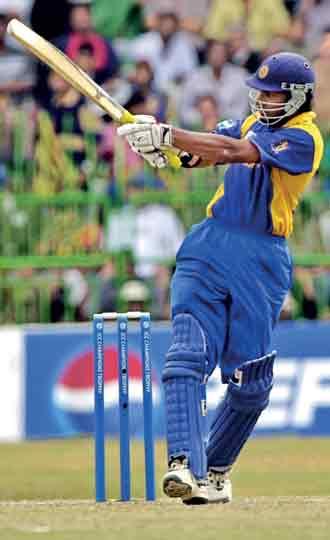
Kumar Sangakkara combined elegance with steel and became one of the greatest batsmen and wicketkeeper-batsmen of the modern era |
Declaring that “cricket belongs to the people,” the newly appointed Interim Transformation Committee has promised forensic audits, investigations into financial irregularities, and a cultural clean-up aimed at restoring decency and responsibility to what was once proudly called the “gentleman’s game.” The contrast with an earlier generation of cricket administrators could not be sharper. Figures such as Neil Perera, who served the old Board of Control for Cricket for more than 25 years, belonged to an era when administrators played with a straight bat. At a time when the board itself was virtually penniless, Perera reportedly paid his secretary’s allowance out of his own pocket while working from the GM’s desk at the Ceylon Electricity Board. Those were lean maiden overs in financial terms, but they were bowled with discipline, patience, and commitment to the spirit of the game rather than personal scorecards.
Commercialisation of the gentleman’s game
As cricket revenues surged through broadcasting rights, sponsorships, and franchise leagues, concerns around bookies, betting networks, and corruption risks grew across the sport. What was once a game decided purely on the cricketing pitch began to attract powerful commercial interests circling the turf, not unlike the betting-driven ecosystem long associated with horse racing. In that sense, the cricketing surface and the racing turf began to resemble parallel arenas where sport and speculation dangerously overlapped. Critics argue that rapid monetisation blurred the line between sporting contest and commercial spectacle, where outcomes shaped by skill and discipline risked being overshadowed by forces operating well beyond the boundary rope.
The governance history of Sri Lanka Cricket between 2000 and 2024 reflects a complicated scoreboard of institutional autonomy, political influence, commercial expansion, and international oversight by the International Cricket Council. During the 1980s and early 1990s, Sri Lankan cricket operated on sparse resources, modest player payments, and little commercial pressure. Yet those lean years produced the grit, discipline, and hunger that built the foundations of future success through school cricket, strong club structures, and fiercely competitive domestic cricket. The watershed came in 1996 when Sri Lanka, entering the World Cup as underdogs behind the India, Australia, and England, rode both brilliance and the glorious uncertainties of cricket to lift the World Cup. That triumph transformed SLC overnight from a modest sports body into one of the wealthiest and most politically coveted institutions in the country. Television rights, sponsorships, ICC distributions, and bilateral series revenue turned cricket administration into a high-stakes game off the field as well.
Politics, money and the battle of reds
In the early 2000s, Sri Lanka’s cricket functioned under relatively stable but politically connected governance. Government involvement in appointments and administration was widely perceived, though it rarely crossed the ICC’s red line of direct state control. Under ICC regulations, cricket boards must remain institutionally autonomous, even though indirect political influence is often tolerated in practice across South Asia. Clubs and domestic cricket structures formally operated under merit-based pathways, requiring legal registration, financial accountability, and participation in recognised competitions. But as money flowed steadily into the game, the contest for influence within cricket administration intensified, with boardroom alliances forming and collapsing like fragile batting partnerships under pressure from hostile bowling.
Playing through political spin
The years between 2007 and 2014 marked Sri Lanka’s golden run. Under the presidency of Mahinda Rajapaksa, Sri Lanka reached four ICC finals in six years before finally winning the 2014 ICC T20 World Cup. Sri Lanka kept batting deep into the final overs of global tournaments, only to fall agonisingly short before finally carrying the bat through in 2014.
During the same Rajapaksa era, Sri Lanka also marched into two 50-over World Cup finals, only to lose the crown by a whisker, first to Australia in 2007 and then heartbreakingly to India in 2011 after dominating large parts of the tournament.
Yet after 2015, the innings began to collapse. What had once been a disciplined dressing room gradually gave way to administrative run-outs, factional bouncers, corruption allegations, endless boardroom appeals for third-umpire reviews, and power plays that overshadowed the cricket itself. Positions within Sri Lanka Cricket increasingly became prized not for service to the gentleman’s game, but for contracts, prestige, overseas tours, and financial influence.
This era also coincided with unmistakable political proximity within cricket administration. Rajapaksa, whose administration was widely perceived to interfere across multiple spheres of national life, including the judiciary, maintained a visible personal interest in cricket affairs and was similarly believed to influence administrative decisions within the game while cultivating close ties with senior players such as Sanath Jayasuriya and Tillakaratne Dilshan. Board appointments, selection matters, and administrative decisions often carried political fingerprints. Yet despite this atmosphere of interference, Sri Lanka’s cricket remained remarkably competitive, negotiating hostile spells, yorkers, and short-leg pressure from the world’s strongest teams with resilience and skill. Critics who argue that political involvement alone destroys sport must confront an uncomfortable truth: Sri Lankan cricket often played its finest strokes during periods of strongest political oversight.
At the centre of this golden era stood a once-in-a-generation batting and bowling line-up. Kumar Sangakkara combined elegance with steel and became one of the greatest batsmen and wicketkeeper-batsmen of the modern era. Mahela Jayawardene batted with classical precision and tactical brilliance, while Muttiah Muralitharan spun his way into history as the highest wicket-taker in international cricket. Lasith Malinga changed the art of death bowling forever with yorkers that crashed into stumps like perfectly aimed leg-before verdicts. Angelo Mathews emerged as a dependable all-rounder and future captain, while Rangana Herath quietly bowled marathon maiden overs to carry Sri Lanka’s spin tradition into the post-Muralitharan era. Alongside them, Jayasuriya’s explosive presence continued to inspire younger generations, often taking the attack to opponents before they could settle into line and length.
Over the boundary line
Sri Lanka’s cricketing milestones unfolded under different political captains at the national helm, the maiden Test victory in 1985 under President J. R. Jayewardene, the fairy-tale 1996 World Cup triumph under President Chandrika Kumaratunga, the 2002 ICC Champions Trophy during the cohabitation government of Ranil Wickremesinghe and Kumaratunga, the 2014 T20 World Cup under Mahinda Rajapaksa, and the 2022 Asia Cup under Wickremesinghe. As global cricket revenues exploded through broadcasting rights, sponsorships, and T20 leagues, cricket administration became a fiercely contested power centre. Many critics argue that weakened oversight after 2015 allowed administrators too much room to play reckless shots without accountability. The ICC eventually intervened in 2023 when direct government action against the board breached autonomy requirements, leading to Sri Lanka’s temporary suspension before governance structures were restored in 2024.
Broken Partnerships
Ultimately, the story of Sri Lankan cricket between 2000 and 2024 is not simply one of politics corrupting sport. It is a far more complex tale of talent, money, governance, ambition, and power. Like a long Test match played across changing conditions, Sri Lankan cricket has produced moments of genius, collapse, recovery, and controversy. The challenge now is whether the game can once again return to the basics, playing with a straight bat, respecting the spirit of cricket, and avoiding the endless leg-before appeals, short-pitched boardroom bouncers, and reckless slogging that have weakened the institution. Cricket ultimately belongs not to politicians, administrators, or committees, but to the people in the stands who still rise when the lion flag goes up, the fielders take their positions, and the first ball of a new innings is bowled.