Reply To:
Name - Reply Comment
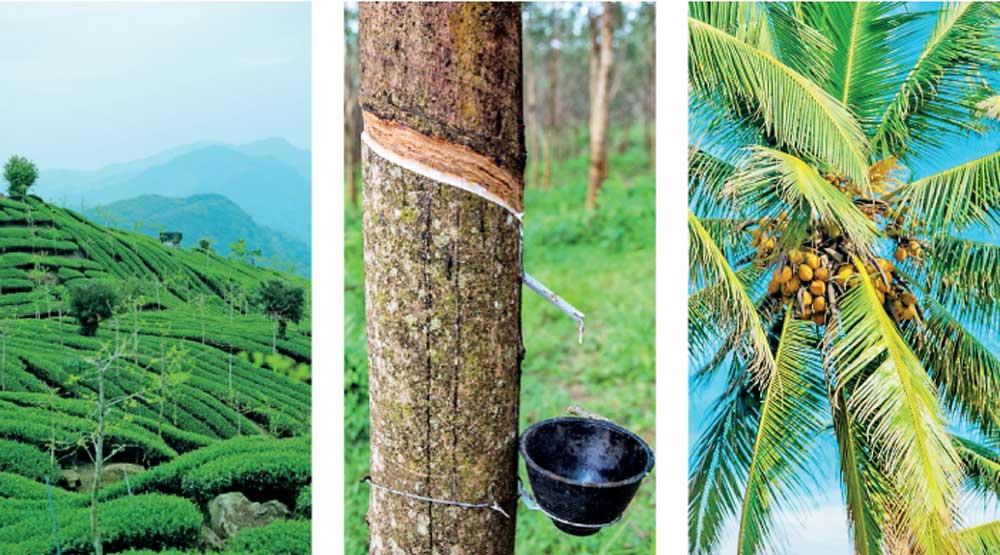
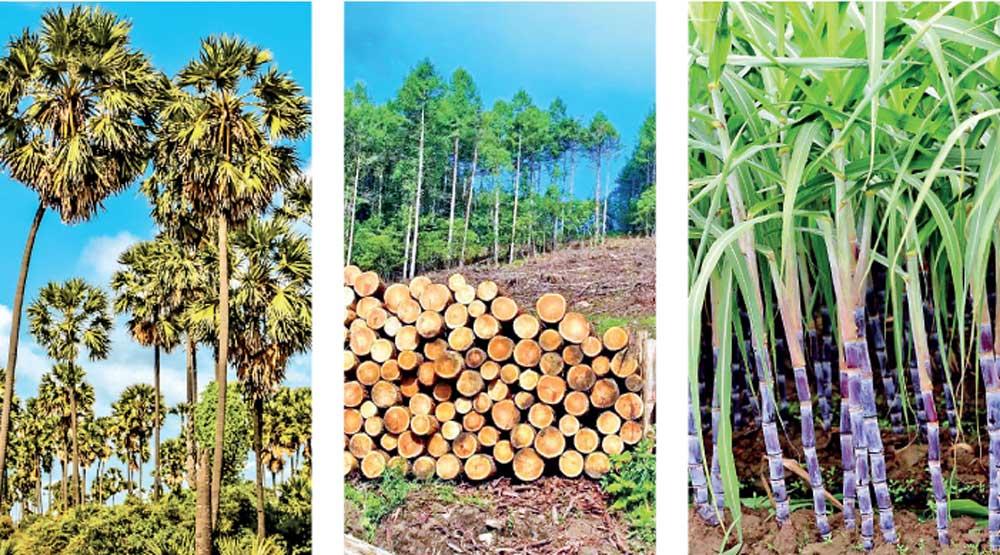
 Sri Lanka’s Plantation Agriculture sector covering: Tea; Rubber; Coconut; Palmyrah; Spice Crops; Sugarcane; Gliricidia; and Commercial Timber including Food and Fruit Crop sectors, has long been a cornerstone of our economy, with a stagnating GDP of around USD 80 Bn, shaping both our heritage and global reputation with unique Land and/or Soil: Bio-Geo-Chemical Identity (Geographical Identity -GI and Geographical Origin - GO) and Diverse-Agro-Ecologies in a very few Lowest Global-Gravity Isles poisoned from the movement of the Gondwananland (Complex) some140 Mn- 100 Mn Years ago.
However, despite its potential, proprietary planters (below 50 acres or 20 ha) have often struggled to gain the institutional support and strategic backing that state-managed / or shared estates (RPCs) receive from the Planters Association (PA) covering: RPCs managing 396 Large Tea, Rubber Estates; Smaller proprietary plantations ( at or above 10 ha or 25 acres); Private owners of factories processing plantation crops; Proprietary planters; Agricultural produce brokers; Plantation engineering firms; and Agricultural advisers / Experts on plantation crops.
Hence, The establishment of the Proprietary Planters Association (PPA) is a pivotal step toward uniting and empowering Sri Lanka’s absolute private planters, ensuring they benefit from State-of-the-art (SMART) agronomic and processing including Marketing strategies and best practices that drive long-term productivity.
Some Scientific Breakthroughs in Tea: Lessons from the Past
Through extensive research and implementation, we established that low soil and plant potassium (K) and magnesium (Mg) were major limiting factors to tea crop yield and overall productivity. By adopting a structured approach—including annual, mid-cycle, and cycle applications of local dolomite with a minimum of 18% MgO, along with:
A 5-year strategic plan under the Sri Lanka Tea Board (SLTB) was able to surpass 300 million kg in production 02 Decades back, thanks to the robust decision-making processes of SLSPC, JEDB, and TSHDA. The leadership of the late Mr. Sepala Illangakoon, former Chairman of the Planters’ Association (PA), was instrumental in ensuring that these strategies also reached Absolute Private Planters (eg. Tea, Rubber and Coconut)GDP, leading to remarkable results.
Why PPA Matters for Private Planters
With a dedicated Proprietary Planters Association (PPA), private planters will finally have a platform to:
Tea is only one example. PPA is for all private planters of Sri Lanka who own a minimum of 10 acres (04 ha) of land cultivated with any commercial-level perennial crops, ensuring that all mid-sized and large-scale private agriculturalists receive the support, representation, and scientific advancements necessary for sustained growth.
First Goal of the PPA: Plantation Development Bank & High-Tech Agriculture
The first major objective of PPA is to support the establishment of a Plantation Development Bank that will facilitate access to financial resources for private planters. This will enable investments in high-tech agriculture, precision farming, and climate-resilient strategies to achieve optimum crop production despite the threats of climate change and soil degradation. By securing financial backing and encouraging modern technology adoption, the PPA aims to future-proof Sri Lanka’s agricultural sector for the next generation of cultivators.
The Path Forward: A Call for Unity
While Sri Lanka’s agriculture sector has seen cycles of progress and challenges, one thing remains clear: organised and well-supported private planters can achieve industry-wide breakthroughs. As someone who has witnessed the success of scientifically backed strategies in improving yields, I wholeheartedly support the formation of PPA.
Now is the time for private planters to join forces, harness scientific advancements, and establish a sustainable future for Sri Lankan agriculture. The PPA is not just an association—it is a movement for long-term prosperity.
Let’s unite, innovate, and thrive!
This article was discussed and developed by Lalin I De Silva, www.vivota.lk, value chain journalist of Vivonta Green Tech Consultants, former Senior Planter, Agricultural Advisor/Consultant, Secretary General of Ceylon Planters Society, Editor of Ceylon Planters Society Bulletin and freelance journalist.