Reply To:
Name - Reply Comment
| The programme included a unique opportunity for business owners to engage with the experts through private consultations.
This was also a networking platform where Business owners, students, and academics had the chance to exchange ideas, discuss challenges and share knowledge. Legal compliance, environmental protection, and business success are not mutually exclusive but can be woven together to foster long-term growth and sustainability. |
 On January 8th 2025, the Faculty of Law of the University of Colombo hosted a transformative programme titled “Mastering Business Growth Through Environmental Protection.” The initiative was designed to equip small-scale business owners with the necessary knowledge about environmental regulations that impact their production processes, helping them to operate within the legal framework while also contributing to sustainable business practices.
The session brought together a diverse group of attendees, including small-scale business owners, academics, and undergraduates from the fields of law and science. The programme aimed to raise awareness of the growing significance of adhering to environmental regulations and how doing so can foster not only legal compliance but also long-term business growth.
|
With the conference kicking off explaining the interconnected nature of environmental law with small-scale businesses, there were also valuable insights into the real-world applications of environmental law.
|
The programme kicked off with a comprehensive introduction by the second-year students of the Faculty of Law about how environmental law is deeply interconnected with small-scale businesses. They outlined the legal framework governing various production processes and discussed the increasing importance of ensuring that such operations are conducted within the boundaries of the law. The students emphasised that adhering to environmental regulations is not just about avoiding legal issues, but also about enhancing business sustainability and aligning with global trends in responsible production.
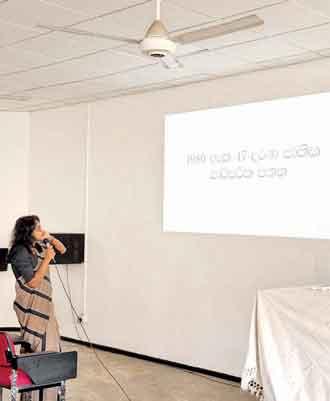
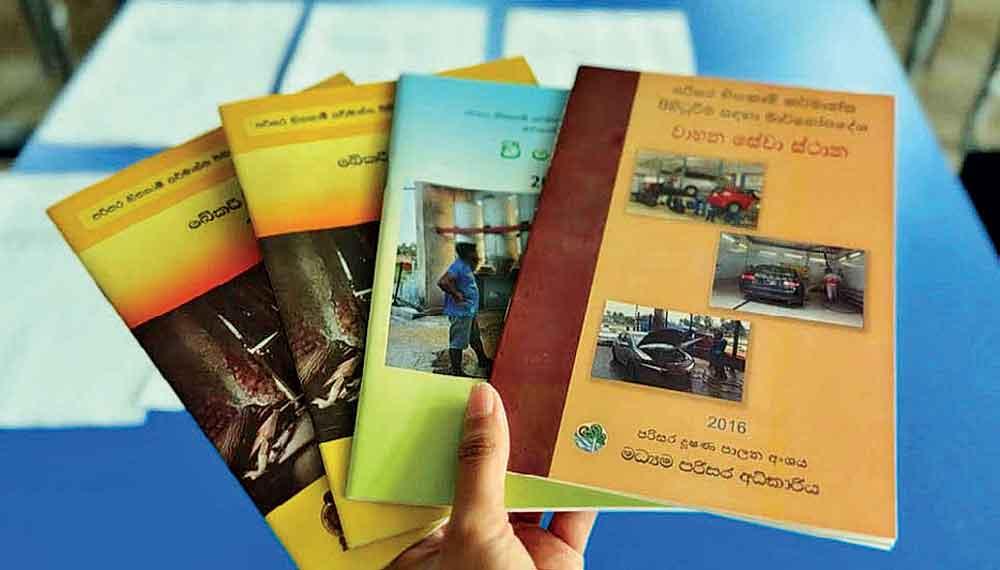
Following this introduction, the session took a deeper dive into specific environmental regulations, starting with a presentation from Lukshmi Fernando, a representative from the Central Environmental Authority (CEA). Fernando shed light on the crucial concept of the “Environmental Protection License” (EPL). She explained why small-scale businesses need to obtain an EPL, the steps involved in securing one, and the legal consequences of failing to do so. Her detailed explanation provided the business owners with a clear understanding of how an EPL is integral to running their operations within the legal framework and avoiding potential penalties.
Next, Kanchana Balachandra from the Centre for Environmental Justice took the floor to discuss waste management regulations that apply to the production processes of small-scale businesses. She elaborated on the legal requirements for waste disposal, recycling, and proper treatment of by-products generated during production. Balachandra highlighted the potential legal risks businesses face if they fail to comply with these regulations.
The programme included a unique opportunity for business owners to engage with the experts through private consultations. This interaction allowed participants to discuss specific concerns related to their businesses, from obtaining an Environmental Protection License to addressing challenges in waste management. The resource persons provided tailored advice, helping the business owners navigate the complexities of environmental law and apply them to their day-to-day operations.
In addition to the valuable legal insights, the programme served as an important networking platform. Business owners, students, and academics had the chance to exchange ideas, discuss challenges and share knowledge. The collaborative nature of the event created a dynamic learning environment where participants could benefit from each other’s perspectives.
The success of the programme was evident in the positive feedback received from attendees. Small-scale business owners left with a deeper understanding of the environmental laws affecting their operations, feeling empowered to make informed decisions and adopt best practices in environmental management. They appreciated the practical advice and the chance to directly consult with experts in the field.
Academics and students, too, gained valuable insights into the real-world applications of environmental law, enriching their understanding of how legal frameworks can shape business practices and contribute to sustainable development. For all participants, the event underscored the importance of collaboration between different sectors—business, law, and environmental science—in building a more sustainable and legally compliant business ecosystem.
“Mastering Business Growth Through Environmental Protection” was more than just an informational session—it was a vital step towards empowering small-scale businesses to thrive within a legal and environmentally responsible framework. By bridging the gap between law, business, and environmental sustainability, the programme provided a platform for growth, collaboration, and knowledge-sharing, benefiting not only the participants but also the broader community in Sri Lanka. It is a powerful reminder that legal compliance, environmental protection, and business success are not mutually exclusive but can be woven together to foster long-term growth and sustainability.
The writer is a 2nd year undergraduate at the Faculty of law in the University of Colombo.