 Kamanthi Wickramasinghe
 Reply To:
Name - Reply Comment
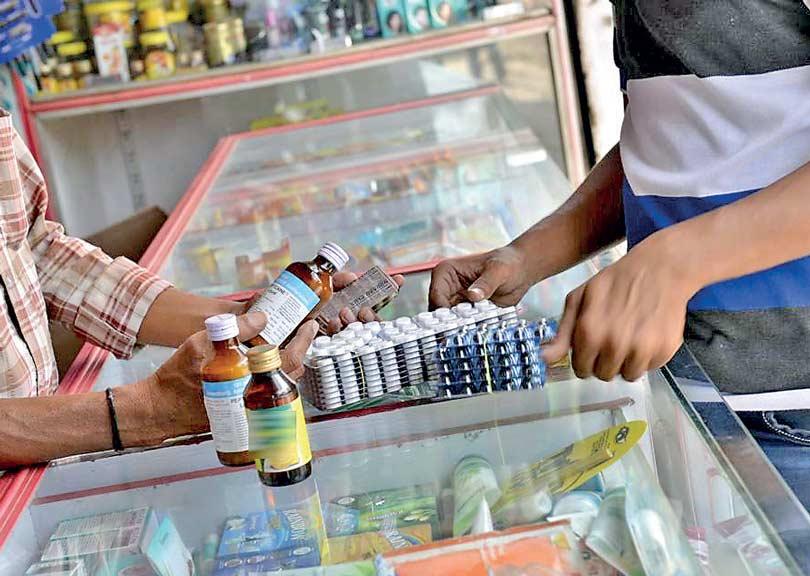
The presence of a pharmacist in pharmacies would discourage people from obtaining over-the-counter drugs. File photo
 Students who have studied in the bio stream, but haven’t received university entrance end up working in pharmacies
The National Medicines Regulatory Authority (NMRA) Act No. 5 of 2015 mandates the full-time presence of a qualified pharmacist for the operation of pharmacies. Initially, one pharmacist would operate several pharmacies in a given area, but they weren’t present at the pharmacy throughout the day. With pharmacy operations becoming just another money-spinning business, many illegal practices are also being encouraged. However, private pharmacy owners and government pharmacy owners have expressed mixed reactions towards this regulation. On the one hand, private pharmacy owners claim that this regulation would result in the closure of many pharmacies due to a shortage of pharmacists in the country. But government pharmacy owners claim that this regulation would in fact regulate the operations in pharmacies, while discouraging people from purchasing over-the-counter drugs.
Existing regulations for Good Pharmacy Practices
Section 120 of the NMRA Act No. 5 of 2015 indicates requirements for Good Pharmacy Practices as follows;
 Every person who carries on a Pharmacy shall comply with Good Pharmacy Practices and other guidelines and conditions prescribed by the Authority;
The holder of licence shall employ at least one Pharmacist in the pharmacy to be responsible for all operations of the Pharmacy relating to medicines, medical devices or borderline products;
The dispensing of medicines, medical devices or borderline products shall be carried out by the Pharmacist or a registered apprentice Pharmacist under the direct supervision of the Pharmacist.
The Pharmacist shall before the sale of every medicine, medical device or borderline product, inform the buyer the cost of such medicines, medical device or borderline products;
The Pharmacist shall when dispensing the medicine, medical device or borderline product provide the customer with a description of such medicine, medical device or borderline product, in the language requested for by such customer.
Fear of a shortage of pharmacists?
Owners of Private pharmacies claim that prior to 2015 there had been no such requirement for the pharmacist to be present full time at a pharmacy. They claim that there’s a shortage of pharmacists in the country and therefore urge the government to allow more qualified pharmacists to graduate from universities. Speaking to the Daily Mirror, All Island Private Pharmacy Owners Association Secretary R. A. I Anurudha said that graduates don’t like to work in pharmacies. He said that in most instances, students who have studied in the bio stream, but haven’t received university entrance end up working in pharmacies. “If the government could introduce a career pathway for students interested in becoming pharmacists this shortage could be resolved. Currently there’s a shortage of around 2500 pharmacists. At least two pharmacists should be working in pharmacies because pharmacies are open from 9.00am to 9.00pm. So one person cannot complete a 12-hour shift every day. On the other hand pharmacists expect an exorbitant salary of around Rs. 200,000. But the daily sale is about Rs. 100,000-150,000, so how can we pay them that amount. Currently a pharmacist receives around Rs. 80000,” he added.
However, the NMRA doesn’t approve those who have done diplomas in pharmacy practices. Anurudha further said that pharmacists should be registered at the Sri Lanka Medical Council. “Those who have studied Bachelors in Pharmacology (BPharm) could also apply to become pharmacists. If around 1000 students sit for an exam, around 6% of them would actually pass. So the pass rate is less and an even lesser number of students would come to work at a pharmacy. Pharmacists are required in hospitals and other facilities as well. So the tendency to work at private pharmacies is less. Rather than implementing the Act immediately, the government should look at resolving the shortage of pharmacists,” he added.
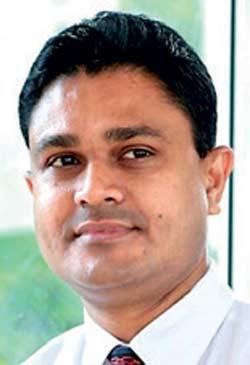
 Currently, pharmacy exams are external programmes. So anyone can sit for these exams. But if we can start a paramedics’ faculty in universities then this gap could be bridged”
Dr. Chamal Sanjeewa, Chairman of Medical and Civil Rights Professional Association of Doctors
A legislation to discourage illegal practices
But according to government pharmacy owners, no new recruitments have been done after 2019 and therefore there has to be many pharmacists awaiting employment. Speaking to the Daily Mirror, a source representing Government Pharmacy Owners Association said that according to the Ministry of Health, around 164 vacancies prevail for pharmacists. According to the source, around 250 pharmacists pass out every year. “So over the past 5 years there should be around 2000-3500 pharmacists who have passed out from universities. However there are salary issues and other administrative hiccups in private pharmacies that discourage pharmacists from being employed. Sometimes a pharmacist should do the cleaning work at a pharmacy. But a qualified pharmacist wouldn’t want to do that,” the source said speaking on conditions of anonymity as he is not authorized to speak to media.
The source further revealed that in the outskirts, doctors arrive for their private practice around 4.00pm and therefore there are fewer prescriptions created for patients. As a result there’s a higher chance for people to purchase over the counter drugs. “A pharmacy cannot issue drugs just because someone claims they have a toothache or back pain. These illegal practices wouldn’t happen in the presence of a qualified pharmacist. Most pharmacies do a business rather than offering a service. Sometimes people say they can’t find a pharmacy in case of an emergency. But in case of an emergency they should be going to a hospital rather than a pharmacy,” the source said.
The source explained that the presence of a pharmacist would also discourage the distribution of antibiotics, certain sex hormones and anti-depressants which are taken as pills. “What usually happens is that if someone purchase 100 of these pills, the profit margin is around 15%. But if they give a discount for another 100, the profit margin would be very much higher. But registered pharmacies purchase medicines from the Medical Supplies Division at the Ministry of Health via quotations and standard procedures and it is a legal operation. So with this legislation, pharmacy practices would be regulated,” the source underscored.
Improving academic qualifications of pharmacists
In this backdrop, medical experts are calling upon the government to introduce exams that would allow qualified pharmacists to be recruited into the pharmacy sector. “We need around 4500 pharmacists, but we only have around 2500 registered pharmacists,” said Dr. Chamal Sanjeewa, Chairman of Medical and Civil Rights Professional Association of Doctors. “Apart from qualified training opportunities, recruitment should also be regulated. Currently, pharmacy exams are external programmes. So anyone can sit for these exams. But if we can start a paramedics’ faculty in universities then this gap could be bridged. Then there are vacancies in hospitals and dispensaries. The National Medicines Quality Lab doesn’t have enough trainee pharmacists and technicians to perform lab testing. So without lab testing we can’t determine the quality of a drug. Therefore, the government should have a priority list and go for budgetary allocations to address these needs,” he added.
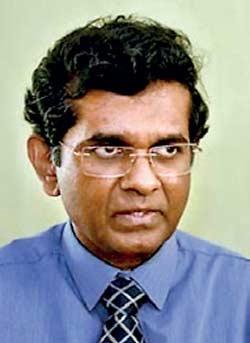 Section 119 of the NMRA Act states that ‘no person shall carry out a pharmacy without obtaining a license from the Authority.’ “There’s a tendency to issue wrong or unnecessary drugs if a pharmacy operates without the supervision of a pharmacist,” said NMRA Chairman Dr. Ananda Wijewickrama. “So we can’t issue a license if there is no pharmacist in a pharmacy. There’s nothing new about this regulation. In fact it had been there since 2015,” he added.
When asked about claims regarding a shortage of pharmacists, Dr. Wijewickrama said that these claims are unfounded. “Some factions say that there’s a shortage of pharmacists while others say that there are many unemployed pharmacists in the country,” he further said.