Reply To:
Name - Reply Comment
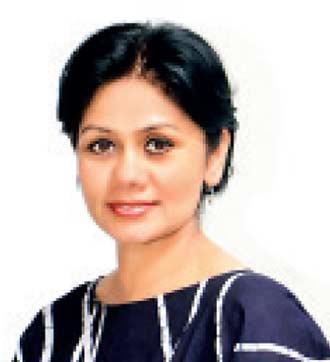
Dilmi Weerasinghe- Founder Serenity Well-being
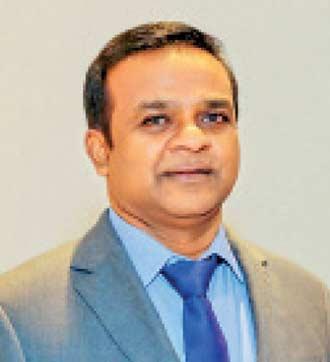
Psychiatrist Dr. Kapila Ranasinghe
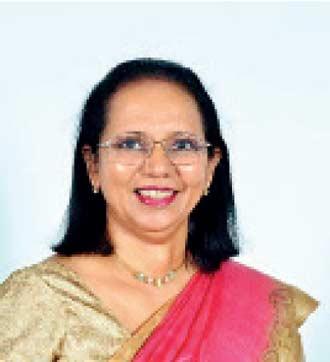
Suranjani Wickremeratne- Chairperson Sri Lanka Sumithrayo
 According to the World Health Organisation (WHO), more than one billion people worldwide live with a mental disorder, yet most remain underserved. Mental disorders are a leading cause of disability; the economic consequences are staggering.
The World Federation for Mental Health (WFMH) in 1992 established the World Mental Health Day to create awareness about mental health issues and to advocate for greater support for people with mental health conditions worldwide. Later, the UN adopted it and declared October 10 as World Mental Health Day.
This year’s theme is “Mental Health in Humanitarian Emergencies”. According to the ‘‘world health oraganisation’’ WHO, the day serves as a powerful reminder that there is no health without mental health. This year’s campaign focuses on the urgent need to support mental health and psychosocial needs of people affected by humanitarian emergencies.
In light of these events, the Daily mirror reached out to experts to gather their views.
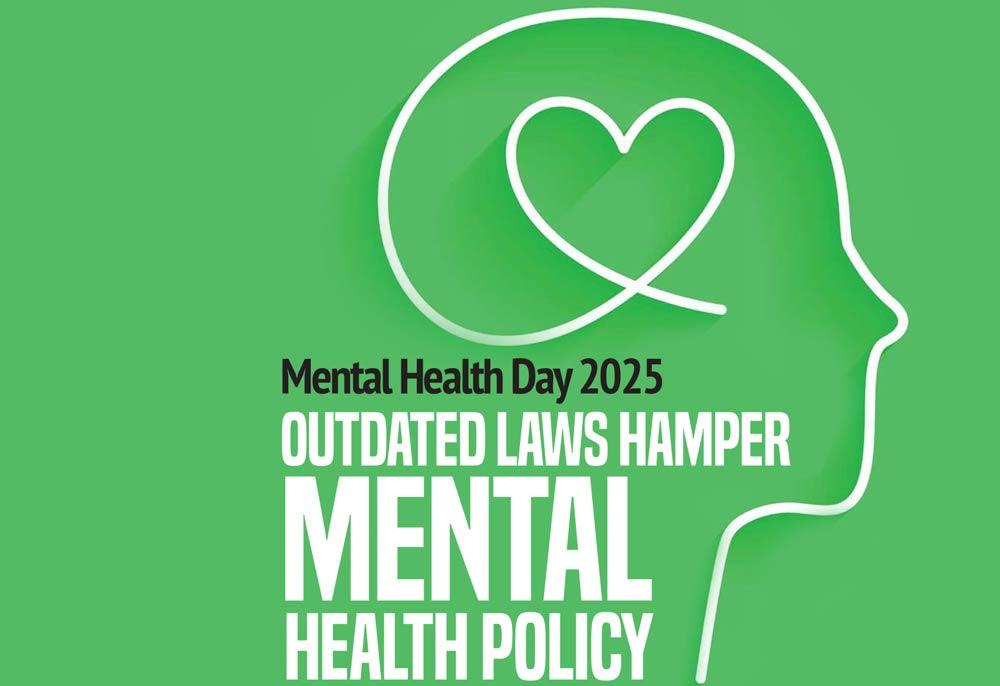
Speaking to the Daily mirror, consultant psychiatrist and former president of the Sri Lanka College of Psychiatrists Dr. Kapila Ranasinghe said: “After the declaration of October 10 as World Mental Health Day, many cultures began to understand the importance of celebrating it to create awareness and improve understanding about mental well-being and mental health disorders. Creating awareness of stigma, improving access, and encouraging policy changes are important areas. However, the Sri Lankan mental health law (ordinance),which was enacted in 1873 during British colonial times, is outdated.” Although the law was amended in 1956, he said that it was not sufficient to address the mental health needs of the country at an optimum level. “The mental health law we have today does not provide a safe and user-friendly framework to help people seeking support for mental health disorders. Although Sri Lanka has a mental health policy, its implementation is inadequate and questionable, as it has not catered to the public mental health needs. To carry out the policy, we need a proper mental health law and a service structure, which has not been established so far,” Dr. Ranasinghe said.
Laws and challenges
Further elaborating on Sri Lanka’s public mental health situation, Dr. Ranasinghe said there should be associated laws to aid the smooth functioning of a policy that ensured the mental well-being of the people. He said: “Our education system does not include comprehensive sex education, which is a vital component of public mental health empowerment. Sex education should be age-specific, comprehensive, and tailor-made, and it has to be specified for the social and cultural needs of the country. However, Sri Lanka is lagging behind on this front. As a result, sexual information is gathered mainly through informal channels like pornography. This could negatively affect the relationship aspect of individuals and the mental health of individuals and couples.
Dr. Ranasinghe also said that the health ministry did not have exact statistics on public mental health issues because Sri Lanka had not undergone a proper mental health survey for many years. “It is standard for all countries to conduct mental health surveys to understand the public mental health burden and the prevalence of mental disorders. The survey should be conducted according to the country’s specific requirements,” he said.
He said that most people suffered from non-communicable diseases (NCDs) due to poor mental health. “Increased stress levels are a contributing factor to the increase in NCDs. Therefore, it is pathetic if people cannot understand the link between mental health and physical well-being to prevent the NCDs,” he noted.
Highlighting this year’s theme, Dr. Ranasinghe said: “It is important to understand the significance of mental healthcare during a time of crisis and emergencies.”
A space to talk
Speaking to the Daily mirror, Sri Lanka Sumithrayo’s chairperson, Suranjani Wickremeratne, said: “As a non-political, non-religious charity organisation spanning more than five decades of relentless service, we practice a method called befriending. It is a confidential emotional support service provided to the needy. The counselling sessions are done by our trained volunteers and offered free of charge. Thus, we complement the clinical services carried out by the government and other private institutions.”
She said that the oganisation created a safe space for individuals what they referred to as callers—to talk to trained volunteers without fear or judgement. “The focus of Sri Lanka Sumithrayo is suicide prevention. According to government statistics, the suicide rate is quite high in Sri Lanka. It is in this context our role becomes instrumental,” she noted.
“Befriending takes place mainly via telephone calls and in person. Besides, the needy too, can reach out to us via WhatsApp and email. Last year alone, we had more than 20,000 callers who needed our help,” she said.
Ms. Wickremeratne further said: “We have 12 branches island-wide, and we have implemented two rural programmes as well. The rural programmes have a method slightly different from that practiced in branches. The branches do befriending with callers who come to the centres. In the rural programme, the volunteers go to hospitals to do befriending at the grassroots level.”
Psychosocial support
Psychologist and Founder of Serenity Well-being Dilmi Weerasinghe shared her views on the mental health situation in Sri Lanka and the contribution that her organisation makes to the mental health field. “We play a crucial role in terms of bridging gaps between psychological theory approaches and required community practice,” she said.
“Serenity Well-being provides counselling and psychotherapy for people who suffer from mental health-related problems. This happens one-on-one. Virtual sessions are conducted if help seekers cannot meet us in person. Sometimes, we work with international clients, including foreign nationals and Sri Lankans living overseas,” Dilmi Weerasinghe added.
According to Ms. Weerasinghe, Serenity Well-being also focuses on psychosocial support development. “We conduct mental well-being awareness programmes for schools and private organisations. In addition to this, we have also donated necessary stationery items to certain schools, which lack facilities. Through these projects, the organisation caters to the needs of the common people. Apart from awareness programmes and donations, we also focus on training and supervision,” she noted. “The health ministry, with the support of other stakeholders, should make a proper plan on how interventions could be made during emergency situations facing the country. There should be a consistent approach with evaluation to accomplish this,” she said in conclusion. Several attempts made by the Daily mirror to contact the Health Ministry failed.