 Kamanthi Wickramasinghe
 Reply To:
Name - Reply Comment
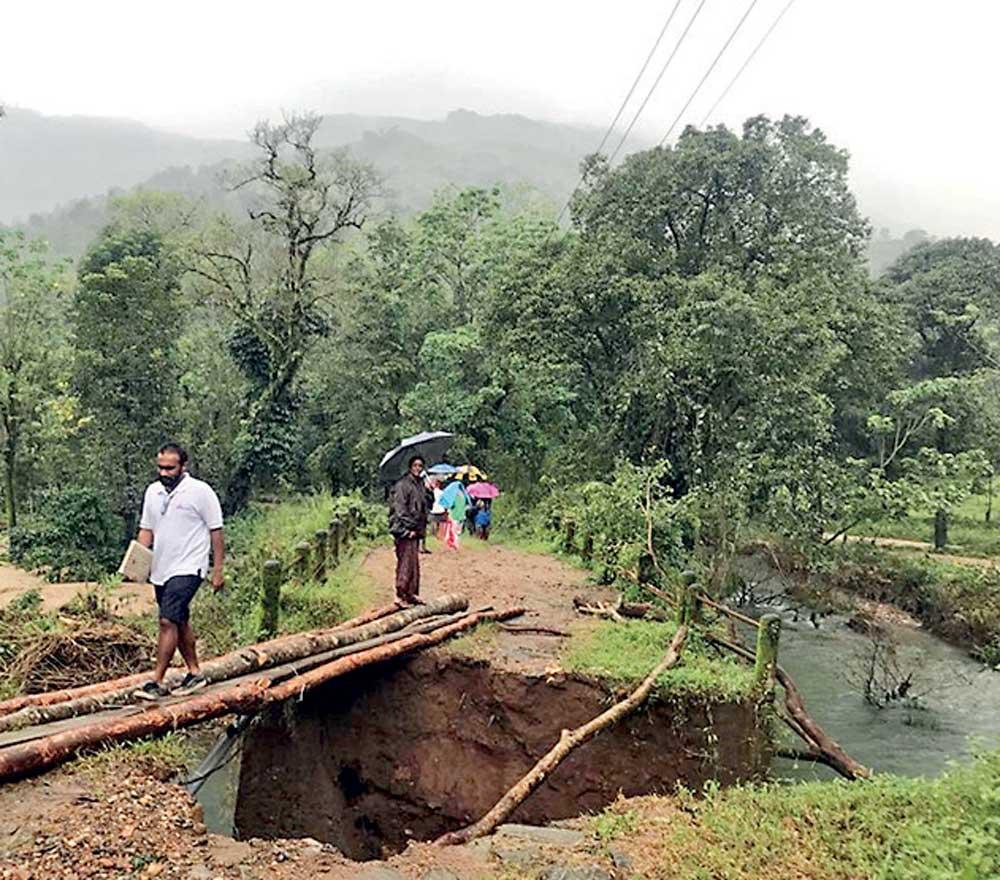
MSF’s emergency response teams deployed during Kerala floods
A two-day ‘Climate and Health Roundtable’ organised by Médecins Sans Frontières (MSF) South Asia is scheduled to be held later this month to brainstorm and prioritise climate and health-related issues pertaining to the South Asian region while establishing a knowledge exchange platform to share and disseminate essential information. MSF/Doctors without Borders is an international, independent medical humanitarian organisation working among the most vulnerable populations across 70 countries, providing emergency medical care to the most vulnerable communities.
MSF has responded mostly in areas affected by conflict and natural disasters and has been providing their services over a span of 50 years. Having extended their services to Sri Lanka during the height of the conflict and the 2004 tsunami, MSF has a long history working with Sri Lanka. In a recent development, the MSF South Asia office is now based in Colombo with plans to initiate a regional innovation hub, conduct medical research and host various conferences and events to showcase the different kinds of research to understand the key public health priority areas in the region.
Speaking to the Daily Mirror, Dr. Lahiru Kodithuwakku, Public Health Specialist for MSF South Asia, said that the conference will shed light on key public health issues prevailing in the South Asian region and in Sri Lanka as well. “Sri Lanka has an extensive public health system, but there are some pertinent issues that need attention, and learnings from best practices in the region. MSF has identified climate change as being one of the main public health issues that affects the entire spectrum, and we will be addressing this aspect as
well,” he added.
In her comments, Dr. Sevantee Ghosh, Strategic Medical Lead for MSF South Asia, said that the climate and health crisis is not a looming crisis anymore. “It has very much arrived and is burdening the health system. At MSF, we have always worked with vulnerable and marginalised communities and looked at ways to tackle climate and health issues on the ground every day. While looking at these approaches, we conducted a desk review last year, which was published in the ACTA scientific journal to understand the priority issues of climate and health in the South Asia region,” she added.
Through the review, MSF checked the impact of the climate on vector-borne diseases, the kind of extreme weather events happening in the region, to better understand where they could invest their energies. However, the lack of on-ground research data and solutions was identified. She further said that there is also a dearth of research when it comes to connecting climate to health issues and involving communities, multifactorial vulnerabilities, such as climate vulnerabilities in already socially and politically marginalised communities. “So we realised that there’s a major gap where we need to break the silos in which organisations work and bring people together so that we can get together and discuss whether the same issue impacts different countries and how different countries respond and tackle it and whether these solutions and response mechanisms could be replicated in another country. The countries that we are targeting currently in South Asia are Sri Lanka, Pakistan, India, Bangladesh, Nepal and Bhutan. The idea is that we bring in experts from all these countries together because some of the issues we face are very similar and different at the same time,” she said. An initial country consultation with all said countries has been conducted to understand the climate and health landscape and to drive the agenda for the climate and health round table.
The Climate and Health Roundtable, scheduled to be held on April 21 and 22, aims at bringing this expertise together. The event will witness the participation of academics, journalists, activists, grassroots organisations, researchers, doctors and people from the government who are working at this intersection to come together and discuss issues. The first day would include panel discussions on extreme weather events, health system resilience, strengthening primary care during emergencies, food security and nutrition. The second day would include sessions on best practices in the region, in addition to a session on storytelling where journalists would present innovative approaches to health and climate reporting and activism. In addition, there will also be an intersection on climate, health and culture to identify the nexus between cultures and histories within South Asia.
The Climate and Health Roundtable will be held as a closed-door event on April 21 and 22 in Colombo.