Reply To:
Name - Reply Comment
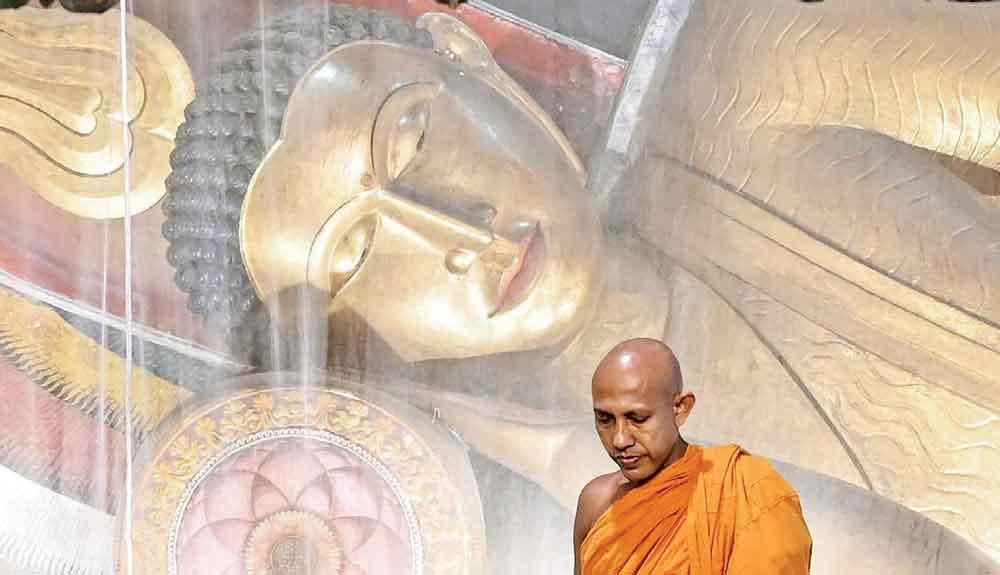
Buddhism offers a transformative solution to suffering with the art of letting go
 Unlike simply losing interest in things or giving up, letting go in Buddhism is about liberation, releasing ourselves from chains of attachment that prevent us from experiencing true peace

Buddhism, one of the world’s oldest religions, offers profound insights into the nature of existence and the ways we can alleviate our suffering. As one of the world’s most profound spiritual traditions, it offers a transformative solution: the art of letting go. Unlike simply losing interest in things or giving up, letting go in Buddhism is about liberation, releasing ourselves from the chain of attachment that prevents us from experiencing true peace and happiness. Letting go is a profound philosophical concept in Buddhism, deeply intertwined with an understanding of suffering, attachment, and the nature of reality. This philosophy encourages us to release our grip on desires, attachments, and on what we hold dear- whether relationships, material goods, or even their identities, ultimately leading to greater peace and enlightenment. Our tendency to cling tightly to the various aspects of life leads to a significant source of stress. We tend to grasp at things, perceiving them as solid and permanent, yet much of what we hold onto is transient and subject to change. This mistaken belief in permanence can trap us in cycles of worry, fear, and anxiety.
The challenge of letting go is especially evident during difficult periods in life. We may find ourselves ruminating over lost opportunities, failed relationships, and unmet expectations. Such thoughts can keep us ensnared in emotions like hurt, guilt, and shame, hindering our ability to move forward. By holding onto the past, we often prevent ourselves from embracing the present and future.
At the heart of Buddhist practice lies the concept of letting go, often encapsulated in the term “non-attachment.” Letting go is a crucial concept in both Buddhism and Christianity, emphasising the release of attachments that bind us and contribute to our suffering. At its core, letting go is about finding freedom from desires and acknowledging that both relationships and material possessions are fleeting and transient.
In Buddhism, letting go, or non-attachment, is fundamental for achieving inner peace. The First Noble Truth acknowledges that life is filled with suffering, often rooted in our cravings and attachment to things. The Second Noble Truth teaches that by letting go of this craving, we can transcend the cycles of life and attain enlightenment.
Spiritually, Buddhism emphasizes the impermanence of all things (annica). We tend to cling to people, experiences, and even our identities, but everything is fleeting. Recognizing this helps us appreciate the present moment and fosters compassion. Instead of allowing attachments to cloud our relationships, letting go encourages us to engage with others without judgement or expectation, fostering deeper connections.
Philosophically, Buddhism challenges the notion of a permanent self (anatta) that is often the focus of human attachment. It teaches that our identity is not a fixed entity but a collection of experiences and perceptions in constant flux. Understanding this can help us see the futility of clinging to desires and identities, paving the way for a liberated state of being built on wisdom cultivated through meditation and mindfulness.
From a psychological standpoint, letting go can significantly improve our emotional health and well-being. Attachment often breeds fear, anxiety, and stress, while non-attachment promotes resilience and adaptability. When we embrace the idea of impermanence, we become more capable of handling life’s challenges without being overwhelmed. Mindfulness—being present and accepting our emotions without judgement—allows us to process difficult feelings constructively, making it easier to let go of what we cannot control.
Letting go is also an essential concept in Christianity, which emphasizes surrender and trust in God. Biblical teachings encourage believers to let go of worries and anxieties, placing their faith in divine providence. For instance, verses like Matthew 6:34 remind individuals not to be anxious about tomorrow, but to focus on the present. By surrendering our burdens to God, we find peace and freedom from the weight of excessive attachment.
Moreover, both traditions highlight the importance of community. In Buddhism, the sangha, or community of practitioners, supports individuals on their journeys toward non-attachment. Similarly, the Christian community encourages believers to lean on one another for support, fostering a sense of belonging and shared faith that helps mitigate the loneliness that comes with attachment.
Ultimately, the concept of letting go serves as a powerful antidote to suffering in both Buddhism and Christianity. By embracing impermanence, cultivating wisdom, and practising mindfulness or faith, individuals can experience profound liberation. In our chaotic world, the principles of letting go offer a clear path toward inner peace, fulfilment, and deeper connections with ourselves, others, and the divine.