Reply To:
Name - Reply Comment
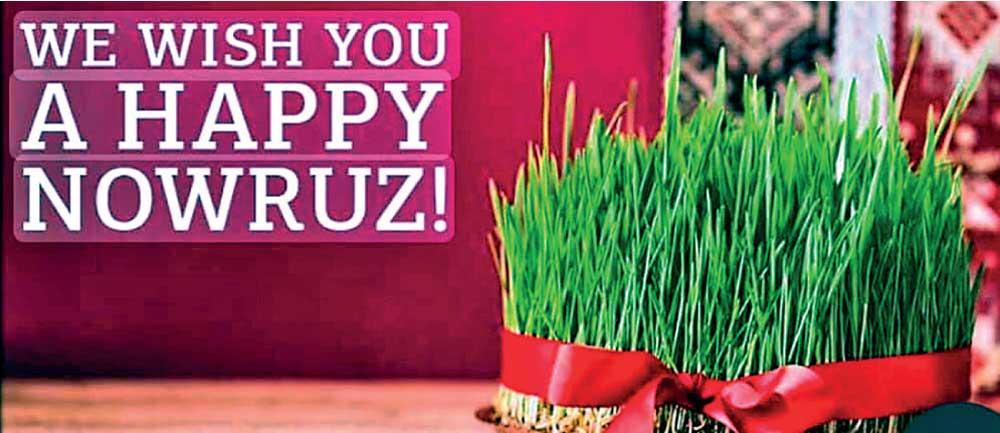
Nowruz is not just a celebration, but also a symbol of the cultural, historical, and social identity of an ancient civilisation.
Nowruz, one of the oldest and most magnificent Iranian festivals for the coming new year, is a symbol of renewal, and cultural solidarity. This festival, which is held every year at the beginning of spring and coincides with the arrival of the new solar year, is celebrated not only in Iran but also in many countries in the region as a cultural and historical ritual. Nowruz has been registered as a UNESCO World Cultural Heritage and reflects the cultural and historical richness of Iranian civilisation.
Historical Roots of Nowruz
Nowruz has its roots in ancient Iranian history and dates back to more than 3,000 years ago. This festival is known as a symbol of the victory of light over darkness and good over evil. During the Achaemenid era, Nowruz was celebrated as one of the most important national and religious festivals, and kings would greet people on this day and give them gifts.
Time of Nowruz
Nowruz begins on the first day of spring, coinciding with the vernal equinox (usually March 20 or 21). This time is the moment of the new solar year, which is determined by precise astronomical calculations. Nowruz lasts for 13 days and ends on the 13th day with the ritual of “Thirteen Out”.
Nowruz Rituals
Nowruz is accompanied by specific rituals and ceremonies, each of which is symbolic and meaningful:
Nowruz in other cultures
Nowruz is not only limited to Iran, but is also celebrated in countries such as Afghanistan, Tajikistan, Turkmenistan, Azerbaijan, Kazakhstan, Uzbekistan, Kyrgyzstan, and even in some regions of Turkey and Iraq. Each of these countries has its own rituals, but they all have one thing in common: respect for nature, renewal, and social solidarity.
Nowruz and the Environment
Nowruz is inextricably linked to nature. Growing greenery, going to nature’s lap on the Thirteenth Day, and paying attention to the beauties of spring all demonstrate Iranians’ respect for the environment. In recent years, efforts have been made to protect nature during Nowruz, such as reducing the use of plastic and encouraging tree planting.
Nowruz in Today’s World
Nowruz, as a global celebration, is a message of peace, friendship, and hope not only for Iranians but for all humans. In today’s world, which is facing various challenges, Nowruz can remind us of values such as solidarity, respect for nature, and the importance of family.
Closing Remarks
Nowruz is not just a celebration, but also a symbol of the cultural, historical, and social identity of an ancient civilisation. This magnificent ritual, with its profound messages, brings together millions of people around the world every year to renew their hearts as nature renews itself.
Happy Nowruz!
Courtesy of the Embassy of the Islamic Republic of Iran