Reply To:
Name - Reply Comment

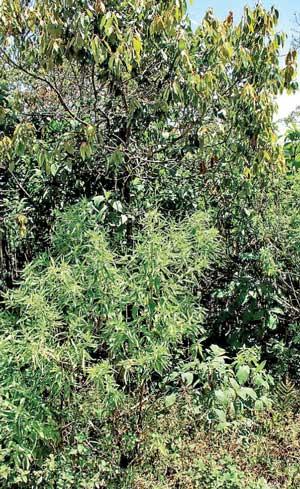
Some of the plant species at risk
Jinapriya Gallage, a reputed envioronmentalist and wildlife photographer, said these pose a threat to the park’s sensitive biodiversity, and plants and animal species endemic to this highly sensitive enviornmental zone would be highly at risk if the spread of these invasive plants was allowed to go on unchecked. The park’s aquatic resources and related species, too, would be at risk.
 By Shantha Chandrasiri
Horton Plains Naional Park, a world heritage environmental zone rich in biodiversity is now endangered by fast spreading invasive alien plants, much to the alarm of the environmentalists and those depending on tourism. Jinapriya Gallage, a reputed envioronmentalist and wildlife photographer, said these pose a threat to the park’s sensitive biodiversity, and plants and animal species endemic to this highly sensitive enviornmental zone would be highly at risk if the spread of these invasive plants was allowed to go on unchecked. The park’s aquatic resources and related species, too, would be at risk.
He pointed out that invasive plants Pathan Palu (austroeupatorium Inulifolium) and Meedum Mal (mist flower) have spread over either side of Dayagama, Pattipola, and Ohiya road accesses to the Horton Plains. The enviornmentalist said several other invasive plants, too, have grown in alarmingly large numbers all over the national park.
“The spread of Eulex, another invasive plant, has now been brought under control owing to the efforts of several volunteer organisations consisting of environmental lovers. It is imperative that the Department of Wildlife Conservation and the Enviornmental Authority as well as the Ministry of Tourism put their heads together and implement an effective programme with the help of envioronmental organisations, university students and school children to protect this world heritage site from this danger.”
Park Warden Sisira Ratnayake said he would extend his cooperatation to any such programme.
 |
| Environmentalist Jinapriya Gallage |
Envioronmentalist Gallage further said it is sad that destructive alien plants including giant mimosa and Gini Grass (Ali Mana) have been allowed to spread all over the country posing a serious threat to the fertility of the soil and ruining endemic plants and the breeding grounds of birds, insects and animal species that will have a direct impact on agriculture. He pointed out that the relevant authorities including the Department of Wildlife have failed to implement an effective plan to save Sri Lankan soil from invasive plants though considerable amounts of money is allocated to them on a daily basis.