Reply To:
Name - Reply Comment
Across the globe, there are millions of children living with disabilities, each facing unique challenges and opportunities. There is limited data and resources available in Sri Lanka with regard to children with disabilities. The most recent census indicates that 8.7% of the population experiences at least one functional difficulty based on the United Nations Economic and Social Council for Asia and the Pacific (UNESCAP) classification.
 Disabilities can manifest in various forms, including mental, physical, emotional, or behavioral challenges
The term “children with special needs,” once widely used, has shifted to “children with disabilities
Neurodevelopmental disabilities are connected to brain development as a child grows
 Globally, nearly 240 million children, aged 0 to 17 years—approximately 1 in 10—live with disabilities, according to the United Nations Children’s Fund (UNICEF). Therefore, it can be said that identifying a disability in a child is difficult for certain conditions. Meanwhile, the social stigma associated with this handicap plays a major role in shaping thinking in the society.
In a quiet corner of the country, where stigma often outweighs effort, a determined mother and her 11-year-old son have proven that determination and love can triumph over adversity. This child was born with a severe developmental delay. When he was born, societal rejection began among his close associates. His grandparents struggled to accept his condition, but it also created an environment filled with criticism and judgment.
Despite these challenges, his mother (who we will refer to as ‘Sara’ to protect her real identity) was brave and hopeful in deciding her child’s future. Facing immense pressure surrounding her and her son, the child’s mother chooses to remain anonymous. “We didn’t choose this, but it’s what life handed me, and I had to face it,” explained ‘Sara’. Leaving her home to build a better future, she faced isolation and social pressure, but never wavered in her resolve. The child had received adequate support at the age of 4. This age was considered late to identify and go for early intervention.
‘Sara’ shared that her child attended the daycare centre where she was employed. However, the daycare lacked the necessary knowledge and resources to support a child with disabilities. Despite this, ‘Sara’ mentioned that she has observed that her child had the ability to learn like any other child, though his learning style differed due to his condition. This presented a significant challenge, but also marked the start to a transformative journey.
The mother encountered an occupational therapist and that became a turning point in their lives. This therapist not only provided her son with the necessary support for appropriate development, but also encouraged the mother to study guidelines that combat emotions. “Fight for your kid,” the therapist urged her, offering both practical assistance and a new perspective on disability. This milestone eventually led to finding a new school with a dedicated section for children with disabilities and access to therapists, creating a supportive environment where the boy would be able to thrive.
With unwavering devotion, she declared, “I want to spend more time with my son,” prioritising his growth and happiness above all else. Social pressure and family judgment constantly cast a shadow over her path, but she stood, shielding her son’s condition when necessary to protect him from criticism. “I have a goal—to make my child the best he can be,” she proclaimed, her words radiating determination and hope.
She didn’t only overcome obstacles—she turned them into stepping stones for a brighter future. “My son is my joy,” she said, emphasising the accepted norm that every child, regardless of ability, deserves dignity, support and opportunities to thrive on. Her vision extends beyond her own family. “One day, I’ll have no reason to hide from my close ones,” she asserted. At present, this young boy loves cars and enjoys a thriving school life filled with acceptance and friendship. His story shows that children with disabilities can become active and fulfilled members of society when given the right support.
This story underscores that children with special needs require early and specialised care to unlock their full potential. Schools with inclusive and dedicated healthcare professionals provide opportunities for children to develop their capabilities. It should focus on ending institutional care and support family-based care, to ensure children with disabilities grow up in safe, loving homes. This mother’s pursuit of the best for her son underscores the importance of accessing such resources as early as possible.
There are no national wide studies conducted to improve this criteria. Dr. Asiri Hewamalage, Consultant Community Physician and National Program Manager for Child Care, Development & Special Needs at the Family Health Bureau, Ministry of Health (MOH) Sri Lanka, explained that conducting such studies is “very difficult.”
According to the World Health Organization (WHO), 15% of children in middle-income countries live with disabilities. The term “children with special needs,” once widely used, has shifted to “children with disabilities” to align with the perspective of the disability community, emphasising that their needs are equal to those of others. Disabilities can manifest in various forms, including mental, physical, emotional, or behavioral challenges. A child can face disability in two key aspects: mental instability and the lack of adequate social support within the social model.
What is Neurodevelopmental Disability?
Neurodevelopmental disabilities are connected to brain development as a child grows. These disabilities may not be noticeable at birth, which is why close observation of a child’s development is essential. Dr. Hewamalage emphasised the importance of monitoring the child’s progress and milestones. If a child doesn’t reach certain milestones at the expected age, it could indicate a potential concern.
Early identification is critical—acting promptly can lead to timely intervention and accurate diagnosis, which greatly benefits the child’s growth and well-being. Always consult a healthcare professional for any concerns about the child’s development. Dr. Hewamalage emphasized that when a child with disabilities receives the necessary support and resources, they can reach their full potential at school. Autism spectrum, down syndrome and attention deficit hyperactivity disorder (ADHD) belong to the neurodevelopment disorder. These are the common disabilities found under neurodevelopment disorders.
Inborn disabilities, such as blindness and deafness, are often caused by congenital factors and are identifiable at birth. In contrast, developmental disabilities typically emerge as a child grows and may not be immediately visible. Dr. Hewamalage explained that a child’s cognitive abilities become evident as they develop, making it possible to identify certain disabilities over time and diagnose them. Dr. Hewamalage said that a child’s brain power can be seen with development. Such as those disabilities cannot be identified as birth. These inborn disabilities are genetically transmitted such as Autism and ADHD.
Why early detection matters
The human brain is a remarkable organ, constantly evolving and adapting to new stimuli. According to Dr. Hewamalage, this process happens at an astonishing speed in children, particularly in the first three years of life, when neural connections rapidly form. Early detection of developmental delays can make a significant difference during this critical period that can lead to timely intervention and positively impact the child´s neurodevelopmental growth. She highlights that there are positive developmental outcomes of early interventions, though they require significant parental effort and time. Promptly addressing developmental challenges gives children the best chance to thrive, especially in cases like autism and Down Syndrome.
Dr. Asiri Hewamalage explained that with early diagnosis, tailored environmental stimuli can be provided to support the development of neural pathways, even if certain brain connections are not functioning optimally. These efforts can help children achieve the same functions as others by encouraging their brains to adapt and grow.
For example, instead of physiotherapy for a child with a hand disability, modern approaches use play-based activities to engage the child in using the affected hand. This encourages the brain to activate or create pathways that support hand function. Early intervention strategies like these are designed to stimulate the brain and promote the development of essential skills.
Role of caregivers and parents
Dr. Hewamalage underscored how important it is for parents to keep track of their child’s growth and development. If a child doesn’t meet certain milestones at the usual age, it might be a sign of a problem, and parents should talk to a doctor. After a diagnosis is made, the child will get specific care and support based on their needs.
Caregivers need the right support, and local services should be improved to help children stay with their families. It should be more focused on family-based care, and ensuring children with disabilities grow up in safe, loving homes. Early diagnosis, special care, and support for parents can help these children achieve their best and take part in society. Parents, caregivers, and educators should remember that acting early can change a child’s life. By identifying and addressing developmental challenges promptly and receiving specialized care, a child gets the best chance to thrive. She also mentioned that early intervention outcomes provide positive outcomes though it takes much effort and time. “Autism and Down Syndrome can be identified early and intervened,” said Dr. Hewamalage.
Intervention for children with developmental challenges can take three effective forms: play-based, parent-mediated, and home-based. The play-based approach uses fun activities and games to help children learn and develop skills. The parent-mediated approach is when parents work with their child. Parents learn strategies and techniques to support their child’s learning and development. During the home-based approach, the child gets support and activities at home, which can be more comfortable and familiar for them. Dr. Asiri Hewamalage emphasised that therapy should not be restricted to formal sessions. Instead, it should integrate into the child’s daily routine, transforming into enjoyable, activities that he/she feels natural and engaging.
Parents play a crucial role in this process. At home, they can reinforce the benefits of therapy by actively participating in these activities, turning everyday moments into opportunities for growth. To do this effectively, therapists provide essential guidance. Parents can learn the basics from these professionals and receive training to carry out the recommended activities at home.
By making therapy a part of daily life, parents can create a nurturing environment where their child feels supported and empowered to develop crucial skills through play. Early intervention works best as a team effort, with therapists and parents collaborating to help children reach their full potential.
Challenges for parents in raising awareness
“Lots of parents aren’t ready to accept the condition. They want to cure their children. But unfortunately, there’s no perfect curing method. They should accept the child’s disability and coordinate to support the child,” advised Dr. Hewamalage. Moreover, she mentioned that parents should be aware not to visit multiple doctors to get more medicine than is medically necessary. Parents follow different myths without adhering to early intervention.
Societal stigma further compounds the issue. Parents, particularly mothers, are often unfairly blamed for their child’s condition, with beliefs rooted in superstition and past-life ‘sins.’ The child might be left in isolation and not receive the attention he/she requires. “As a result, these children’s rights are not fulfilled,” underscored Dr. Hewamalage.
Society and parents must shift perspectives. Instead of focusing on disabilities, one should be able to recognise and celebrate the abilities of these individuals. Empathy, not sympathy, ensures the rights of these children. Together, creating an inclusive environment and building connections with the family members, fosters these children’s acceptance, understanding, and empowerment.
Role of counseling
According to Dr. Hewamalage, counseling plays a crucial role in supporting parents of children with disabilities. It helps them overcome feelings of disappointment and rejection they may experience upon the child’s birth. Children with disabilities also face significant challenges, including bullying at school and in society. Counseling is essential to stabilize their mental well-being.

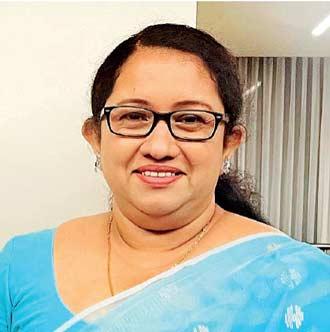 Lots of parents aren’t ready to accept the condition. They want to cure their children. But unfortunately, there’s no perfect curing method. They should accept the child’s disability and coordinate to support the child,”
- Dr. Asiri Hewamalage, Consultant Community Physician
However, Dr. Hewamalage emphasised that access to counseling services within the Ministry of Health (MOH) in Sri Lanka is limited. “Counseling services in Sri Lanka are not strong,” she noted. She highlighted the efforts to improve this situation, such as training public health midwives to understand disabilities and communicate with parents using non-discriminatory language. Additionally, undergraduate doctors are being educated on the social aspects of disabilities, and social media campaigns are being launched to reduce the stigma against children with disabilities.
Inclusive Education and Support
Children with severe disabilities who are unable to attend school are provided with home-based education. As part of this program, the MOE offers supportive devices through grant requests for educational support. Financial aid is also available to families through the Ministry of Social Services in the form of a monthly disability allowance. However, this amount is limited and distributed based on a waiting list.
Children with disabilities are typically placed in one of three educational settings, integrated classrooms, mainstream classrooms with inclusion support, and home-based education for those with severe disabilities, efforts are underway to train teachers to address the needs of children with disabilities, but Dr. Hewamalage expressed concern about the slow pace of implementation.
There are a few non-state organizations in Sri Lanka working to support individuals with disabilities. Parents can occupy their children at these centers to develop their skills.
The Shiranee Joseph de Saram Foundation (formerly known as the Rehabilitation Center for the Communication Impaired/RCCI) is a non-profit organization established to care for children and adults with special needs. The Centre was established to provide training and support for those with Autism, Cerebral palsy, Down’s syndrome, learning disabilities, and other disorders in a school-like setting.
Another organization that helps disabled children is the MJF (Meril. J Foundation), which is holding hands with the Dilmah Tea Company. The Rainbow Centre initiative provides holistic development for disabled children. The center offers education and therapy for those with Cerebral Palsy, Down Syndrome and Autism.
Nutrition and health
“Nutritional challenges are common among children with disabilities,” Dr. Hewamalage explained. For example, children with autism often have sensory issues, leading to picky eating habits. Parents need to ensure their children receive essential nutrients.
Additionally, disabilities such as Down syndrome are often associated with other health conditions, including heart disease. She advised parents to pay extra attention to their child’s nutritional needs to support overall health. However, she added that early intervention, therapy and adequate nutrition habits are the primary forms of support.
Screening tools
Dr. Hewamalage highlighted the effectiveness of screening tools used in the MOH’s child health development record, such as general and fine movement assessments for high-risk children. She said that these evidence-based tools are globally recognised, but implementing them in Sri Lanka requires additional training, which a shortage of human resources has hampered due to migration.
She stressed that most disabilities do not require medication. For example, there are no drugs for conditions like Down syndrome. However, early intervention and therapy are the primary forms of support.
Inclusive education and support
Dr. Hewamalage suggested policies to support parents of children with disabilities, such as enabling work-from-home options, providing necessary job transfers, and offering financial aid. She also recommended vocational training programs to help individuals with disabilities secure employment.
She pointed out that government regulations mandate that 3% of jobs in public institutions be reserved for people with disabilities. Unfortunately, this policy is poorly implemented and needs to be extended to the private sector. “This area has been neglected for a long time, and the government needs to prioritise it,” she concluded.
Will government resources and Sri Lankans’ mindset towards children with disabilities evolve, allowing them to be treated with the same respect and opportunities as any other child? As citizens, can we collectively foster an environment where these children can lead fulfilling lives without societal pressures, embracing their true potential to thrive and contribute?