Reply To:
Name - Reply Comment
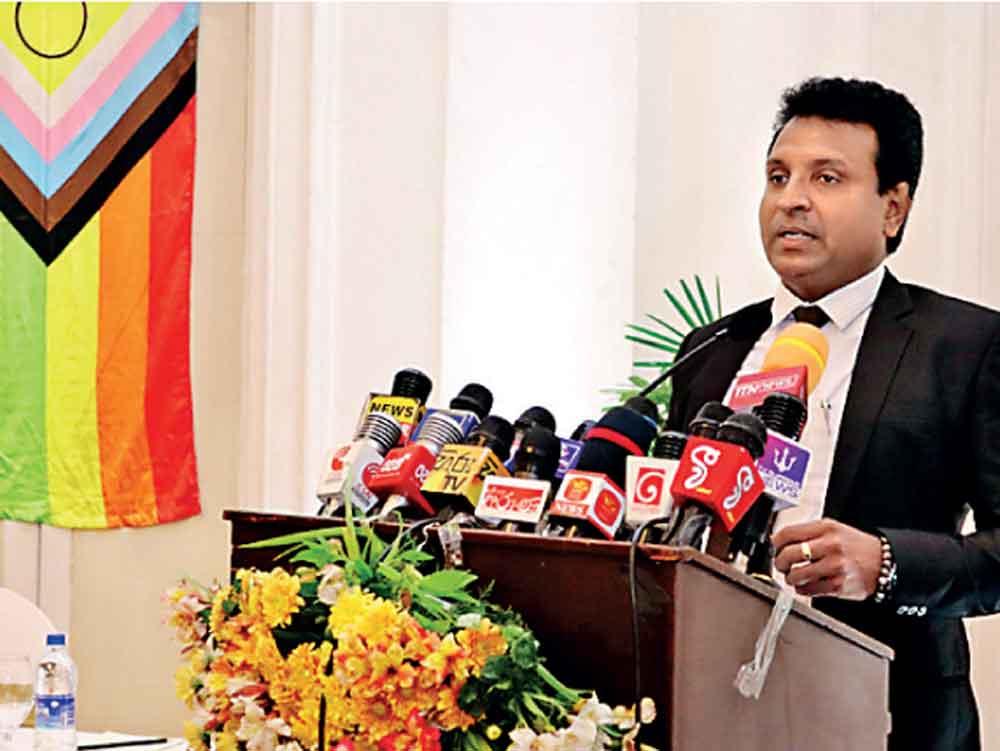
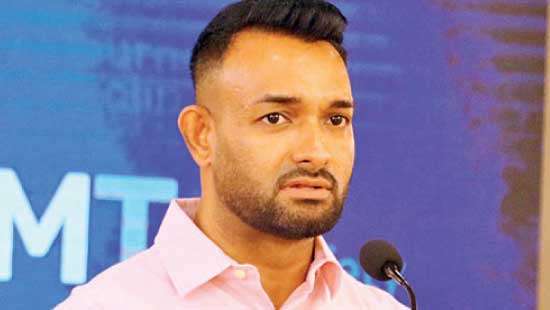
Dr. Manoj Jinadasa , Senior Lecturer and head of the department of Mass Communication at the University of Kelaniya delivering the keynote address during the media briefing
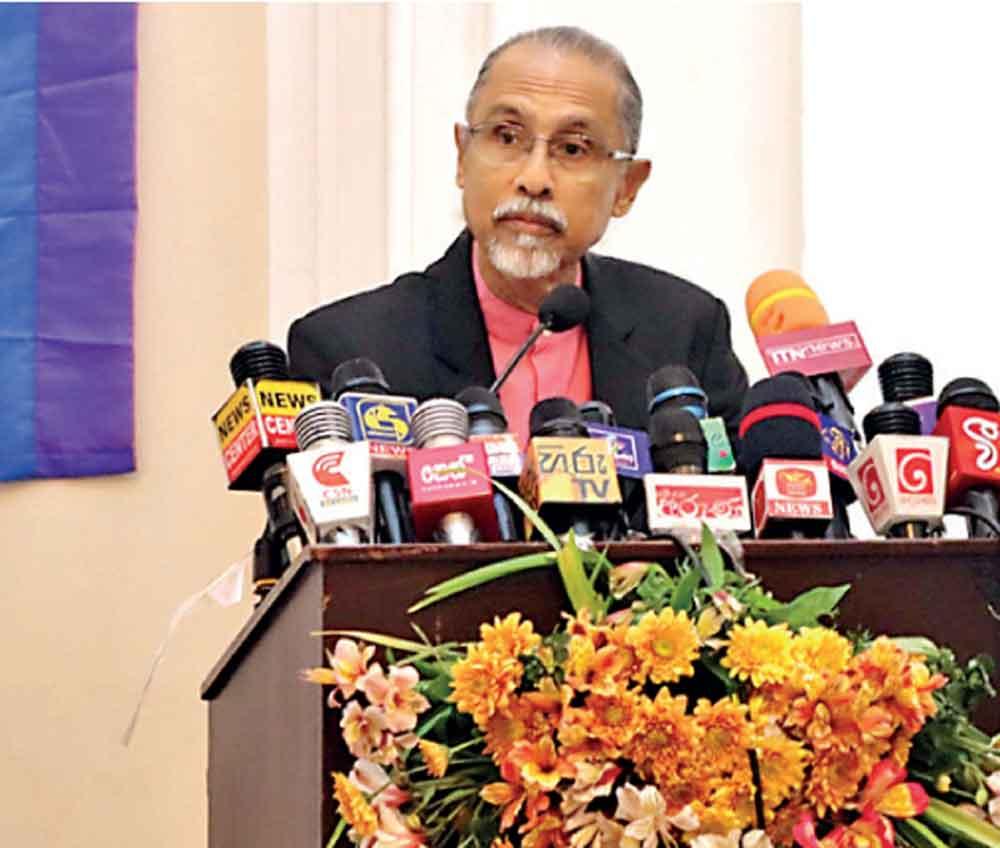
Senior journalist Saman Ataudahetti briefing the event
A book documenting the unfair reporting on LGBTIQ+ community within the Sri Lankan mainstream and social media over recent years, and how that should be corrected, was launched
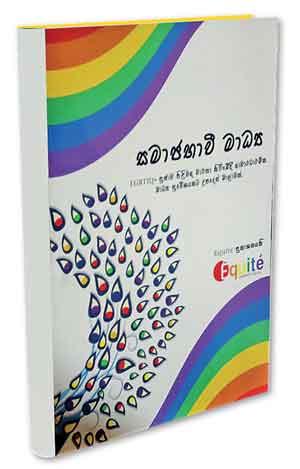 |
| The book that was launched relating to media guidelines |
By Manjula D. Phillips
According to Equite, latest studies suggest that the LGBTIQ+ community (Lesbian, Gay, Bisexual, Intersex, Queer and other diverse sexual and gender identities) represents 6% - 8% of the total population of Sri Lanka. This was revealed to the media recently at a briefing held in Colombo.
It was organised by Equite, an organisation standing up for the rights of LGBTIQ + communities in Sri Lanka. Equite introduced a new set of guidelines to media institutions when reporting about the LGBTIQ + community ais carried out. The new Media Guidelines would ensure ethical standards in reporting and prevent the marginalisation of such groups and incitement of public prejudice against them.
Additionally, a book documenting the unfair reporting on LGBTIQ+ community within the Sri Lankan mainstream and social media over recent years, and how that should be corrected, was launched.
The keynote address of the event was delivered by Dr. Manoj Jinadasa, Senior Lecturer and head of the department of Mass Communication at the University of Kelaniya, while the guest lecture on principles of media reporting was delivered by veteran journalist Saman Athaudahetti.
In his address, Dr. Manoj Jinadasa stated how attitudes in western countries differ from those in Sri Lanka when compared to the implementation of laws regarding the LGBTIQ + community. He also highlighted how the media has been misusing their position to get publicity since the First World War in (1914-1918) and how that has affected the lifestyles of communities like LGBTIQ +.
“When Adolf Hitler was in power, his media minister was Goebbels. Goebbels’ communication theory was formed as a result of Hitler’s wrong mentality. Even after decades, we see the consequences of this today. After 1950 the media organisations in European countries were considered to be more sensitive when using words in media. But even today in Europe, the LGBTIQ+ communities are humiliated. For example, I have heard during my stay in England, during every weekend, about some LGBTIQ+ individuals being murdered.” Dr.Manoj Jinadasa said.
Senior journalist Saman Athaudahetti emphasised how important it is to have a mature opinion of the LGBTIQ+ community and how they had been treated with dignity and respect in our culture throughout our history.
“In our history, LGBTIQ+ activities were not restricted or prohibited. LGBTIQ+ community and activities were considered as normal and natural. We have even kings like Queen Leelawathi who reigned in Polonnaruwa, she never talked of herself as a queen. She appears to be a king. Even in Jataka tales, these types of individuals are mentioned and they are not regarded as sick or unnatural. Today we live in an ignorant society in which we think we do not know about our ignorance. In the same way, our religious and cultural officials have created false beliefs in our society in the recent past.
“Today, we live in a society where we do not know about sexuality. The people in today’s society see LGBTIQ+ communities as abnormal and sick, not the usual sicknesses but as contagious sicknesses. Since the media is a part of society, it is obvious that these unfortunate consequences come out through the media when they report about LGBTIQ+ community. The responsibility of the media is to help people to realise the reality. Report accurately. Treat every person equally and stand up especially for the rights of the people who are discriminated by society,” Saman said.
Describing the organisation’s aims, representatives of Equite, pointed out how at present the LGBTIQ+ communities are considered as a much marginalised group in Sri Lanka, and how they are frequently subjected to social exclusion and discrimination driven by lack of accurate knowledge, negative stereotypes, discriminatory laws and defamatory media coverage.
It was also shown how the media has discriminated against the LGBTIQ+ community through their media usage in the recent past with some examples.
Media discrimination
They also pointed out how media discrimination against LGBTIQ + individuals can affect their families with LGBTIQ + individuals and how they are then mistreated within their own family cycles.
Also, it was highlighted how these communities have been subjected to various political, religious and ideological attacks in the recent past. According to Equite, It is apparent that LGBTIQ+ individuals often become victims of negligence or misconduct of others for many reasons.
The LGBTIQ+ community seeks nothing more than their fundamental rights guaranteed to all citizens under the Constitution, and the amendment of archaic British colonial- era laws to ensure that every individual has the right to live with dignity according to their sexual orientation and gender identity.
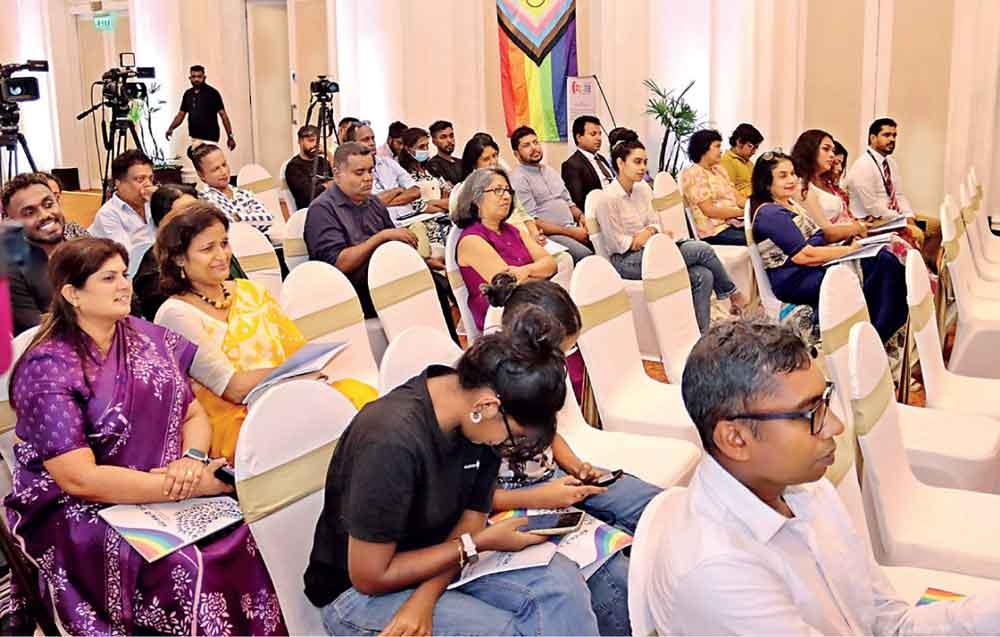
Segment of the audience