Reply To:
Name - Reply Comment
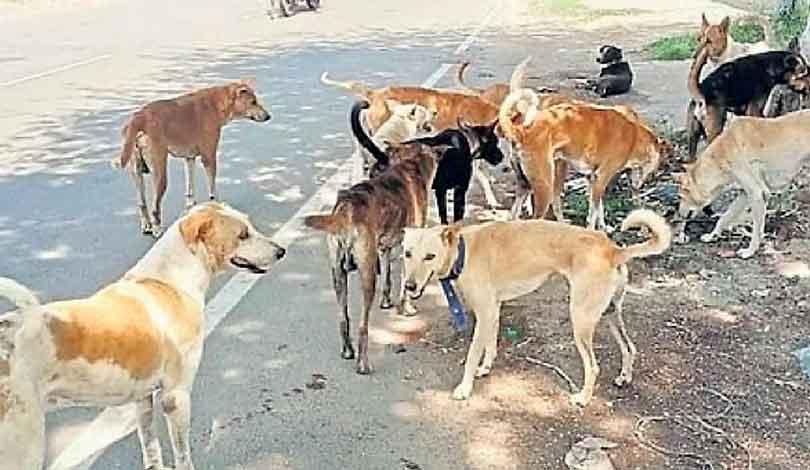
The population of community dogs is driven primarily by uncontrolled reproduction, abandonment, and the failure to sterilise
- Compassion is not the problem. Lack of coordination, inadequate implementation and the absence of a national plan are the problems. We are ready to work with the Government.
Animal welfare organisations and activists across Sri Lanka strongly reject the recent statement made by the Director General of the Department of Animal Production and Health suggesting that feeding street dogs contributes to increasing dog populations and the spread of rabies.
Following widespread public concern, the Director General subsequently referred to the concept of “responsible feeding.” However, this does not address the fundamental issue. Statements that portray feeding as a principal cause of street dog populations demonstrate a serious misunderstanding of the realities faced by Sri Lanka’s community animals and the people who care for them every day.
For decades, thousands of ordinary Sri Lankans — not only organised animal welfare groups, but also pensioners, labourers, schoolchildren, monks, nuns, shopkeepers, three-wheeler drivers and low-income families—have quietly shared their food with hungry street dogs and cats.
Many of these citizens can barely afford sufficient food for themselves and their families. Yet, day after day, they make sacrifices to ensure that an animal does not suffer from hunger.
They receive no recognition, no government assistance and no financial support. Instead, they are now being blamed for a problem created by decades of inadequate policy, insufficient implementation and the absence of a continuous, coordinated national animal population management programme.
Where is the gratitude for these compassionate citizens?
Where is the recognition for the thousands of people who have spent years walking along streets, visiting railway stations, markets, temples, hospitals, beaches and public spaces to feed hungry dogs and cats because no one else would?
The message now being conveyed to these citizens is deeply distressing:
“Your compassion is not valued. Your sacrifice is not appreciated. Your good deed is irresponsible.”
Compassion did not create Sri Lanka’s street dog problem.
The absence of a sustained national programme did. FEEDING DOES NOT CAUSE REPRODUCTION
The population of community dogs is driven primarily by uncontrolled reproduction, abandonment, the failure of many owners to sterilise their animals, and the absence of sufficiently extensive and continuous sterilisation programmes.
Feeding does not make a dog pregnant.
Feeding does not cause an unsterilised male dog to impregnate multiple females.
Feeding does not cause owners to abandon unwanted puppies, pregnant dogs or mother dogs on public roads.
Feeding does not cause the Government to leave sterilisation funds unspent.
Feeding a hungry animal is an act of compassion. Sterilisation, vaccination, responsible ownership, registration and community engagement are the measures required to manage dog populations and eliminate rabies.
The internationally recognised approach rests on several interconnected interventions:
sustained and large-scale sterilisation;
mass rabies vaccination with adequate population coverage;
responsible animal ownership;
community education and participation;
prevention of abandonment;
accessible veterinary services;
reliable data collection and monitoring; and
cooperation between government institutions, veterinary professionals, local authorities, non-governmental organisations and community caregivers.
Discouraging citizens from feeding hungry animals will not prevent reproduction, eradicate rabies or end abandonment.
It will merely cause greater hunger, suffering, conflict and cruelty.
Successive governments have failed to implement continuous, adequately funded and properly monitored nationwide sterilisation programmes.
Government sterilisation programmes should operate throughout the year, without interruption, in every district and through every relevant local authority.
Instead, such programmes have reportedly declined.
To date, there has been no budgetary allocation for sterilisation programmes in 2026.
When funds allocated for animal population management are not utilised, the consequences are borne by the animals, the public, community caregivers, hospitals, local authorities and animal welfare organisations.
Against this background, it is profoundly unfair to portray compassionate citizens who feed, sterilise and vaccinate community animals as part of the problem.
Before criticising feeders, the authorities must explain why programmes were not implemented continuously and why Sri Lanka still does not have a coordinated national strategy covering sterilisation, vaccination, registration, abandonment, education, veterinary capacity and community participation.
For decades, animal welfare organisations and independent caregivers have stepped in wherever government programmes have been absent, inconsistent or inadequate.
They have organised sterilisation programmes, vaccinated dogs and cats against rabies; transported animals for surgery and treatment; rescued injured, sick and abused animals; cared for animals following sterilisation; educated communities; monitored community dog populations; reported suspected rabies cases; treated animals injured in road accidents; cared for abandoned puppies and kittens; assisted low-income pet owners; and promoted responsible ownership.
In many areas, volunteers and animal welfare organisations have carried out the very work that should form part of a properly funded and coordinated public programme. Without these efforts, Sri Lanka’s community dog population, animal suffering and public health challenges would almost certainly be far worse.
Community feeders are not merely people who leave food and walk away.
Many know every dog in the area they serve. They know which animals have been sterilised, which dogs are pregnant, which animals are injured, which puppies have been abandoned and which dogs may require vaccination or medical attention.
They are often the first people to identify sick, injured or pregnant animals; bring dogs for sterilisation; support rabies vaccination campaigns; report suspected rabies; monitor animals after surgery; arrange veterinary treatment; identify abandoned animals; prevent starvation; reduce competition over food; and reduce conflict between dogs and communities.
These citizens should not be vilified.
They should be recognised, registered where appropriate, trained and included as community animal guardians within a national programme.
Removing, discouraging or intimidating community feeders would weaken animal population management and public health surveillance. It would destroy one of the most valuable community-based networks available to the Government.
Condemnation alone will not solve this crisis.
Sri Lanka urgently requires a comprehensive, adequately funded, time-bound and measurable National Action Plan for Community Animal Population Management and Rabies Elimination.
Animal welfare organisations are ready and waiting to work with the Government in developing and implementing such a plan.
The plan should be led by the Government but developed through genuine consultation and collaboration with relevant ministries, the Department of Animal Production and Health, the Ministry of Health, provincial and local government authorities, veterinary professionals, universities, animal welfare organisations, community caregivers, educators, religious leaders and other relevant stakeholders.
The National Action Plan should include the following priorities.
Sterilisation cannot be conducted through isolated, irregular or short-term campaigns. Sri Lanka requires a continuous, district-based programme operating throughout the year, with clear annual targets, adequate funding and proper monitoring. This programme can prioritise areas with high community dog populations; include both owned and unowned dogs; provide accessible services for low-income pet owners; ensure safe capture, surgery, recovery and release; follow proper veterinary and animal welfare standards; maintain accurate records; provide post-operative monitoring; and publish district-level results.
Funding allocated for sterilisation must be fully utilised, transparently accounted for and protected from administrative delays.
Rabies cannot be eliminated by blaming feeders. It must be prevented through sustained mass vaccination of both owned and community dogs.
Vaccination programmes must achieve and maintain adequate coverage in every district. They should be coordinated with sterilisation activities wherever practical and supported by proper identification, recordkeeping, public awareness and follow-up campaigns. Community feeders and animal welfare organisations can assist authorities by identifying dogs, mobilising communities, monitoring vaccinated animals and helping vaccination teams reach animals that might otherwise be missed.
Community participation is essential to the success of any animal population management programme. The Government must engage constructively with community feeders; animal welfare volunteers; residents’ associations; local businesses; market communities; temple and church communities; schools;transport workers; local government officers; and public health officials.
Public communication must be based on evidence and compassion. It should not stigmatise or intimidate those who care for animals.
Government veterinary officers must be given the resources, training and institutional support required to implement humane and effective programmes. This should include: Additional training in high-volume, high-quality sterilisation; updated surgical and anaesthetic protocols; training in humane dog handling and capture; adequate surgical equipment; transport facilities; medicines and vaccines; suitable recovery spaces; trained veterinary assistants; improved data systems; and continuing professional development.
Government veterinarians should not be expected to deliver a national programme without adequate personnel, infrastructure, equipment and administrative support.
National policy must be based on reliable information. Sri Lanka requires systematic dog population surveys, rabies surveillance, sterilisation records, vaccination data, abandonment data and assessments of community attitudes. A national database should be established to monitor: Owned and community dog populations; sterilisation coverage; rabies vaccination coverage; bite incidents; suspected and confirmed rabies cases; ownership and registration; abandonment; programme expenditure; and district-level progress.
Universities, veterinary faculties, public health institutions, animal welfare organisations and international experts should be invited to contribute to research, training and programme evaluation.
The lack of coordination between national, provincial and local government institutions has repeatedly weakened implementation. The National Action Plan must clearly define the responsibilities of:Central government ministries; the Department of Animal Production and Health; provincial departments; municipal councils; urban councils; pradeshiya sabhas; public health authorities; and other relevant agencies.
Each local authority should be required to prepare an annual implementation plan aligned with national standards and targets. Funding, technical guidance, reporting systems and accountability mechanisms must be clearly established.
Animal welfare organisations possess decades of practical experience, community networks, trained personnel and local knowledge. This expertise should be recognised rather than dismissed. The Government should establish a formal coordination mechanism through which registered animal welfare organisations and community groups can contribute to: Sterilisation; vaccination; education; population surveys; post-operative care; community engagement; rescue referrals; training; monitoring; and policy development.
Collaboration must be transparent, respectful and based on clearly defined responsibilities. Government responsibility must not simply be transferred to NGOs. However, NGOs should be recognised as valuable technical and community partners.
Compassion, responsible pet ownership and rabies prevention should be taught from childhood. Age-appropriate education should be introduced in schools on: kindness to animals; safe interaction with dogs; rabies prevention; responsible pet ownership; sterilisation and vaccination; prevention of abandonment; respect for community animals; and the connection between animal welfare, public health and responsible citizenship. Children can become powerful agents of change within their families and communities.
Sri Lanka’s religious leaders have an important role in promoting compassion, non-violence, responsibility and respect for life. Buddhist clergy, in particular, can help convey the principles of metta, karuna and non-harm to children, families and communities. Temples, churches, kovils and mosques can support: Humane education; responsible feeding; sterilisation and vaccination awareness; prevention of abandonment; community animal monitoring; and compassionate conflict resolution. Religious teachings should not remain separate from the suffering of animals in our streets.
A practical and affordable national system for dog registration should be introduced and implemented gradually. Registration must be linked to: Identification of owners; rabies vaccination; sterilisation incentives; prevention of abandonment; breeder regulation; traceability, and public education. Registration should not become a punitive system that causes low-income owners to abandon animals. It must be affordable, accessible and accompanied by subsidised veterinary services. Owners who deliberately abandon animals must be held accountable.
Sri Lanka urgently requires modern and enforceable animal welfare legislation. The long-delayed Animal Welfare Bill must be passed without further delay and supported by: Effective enforcement mechanisms; clearly defined offences; appropriate penalties; trained enforcement officers; public awareness; institutional responsibility; and procedures for reporting and prosecuting cruelty and abandonment.
Legislation must protect both owned animals and community animals.
The Government should establish a voluntary system to recognise and support responsible community animal caregivers. Registered or recognised community guardians could assist with: Identifying animals; coordinating sterilisation and vaccination; monitoring health and welfare; reporting abandonment; supporting post-operative care; maintaining feeding areas responsibly; reducing public complaints; and liaising with local authorities.
Such a programme would transform informal compassion into an organised community resource.
No national programme can succeed while owners continue to abandon pregnant dogs, unwanted litters, elderly animals and sick pets on public roads. The Action Plan must include: public education; affordable sterilisation; Enforcement against abandonment; regulation of breeders and animal sales; responsible rehoming; identification and registration; and support for low-income owners.
Owned animals are a major source of future community dog populations when they are allowed to breed and their offspring are abandoned.
Public funds allocated for animal population management must be fully utilised and publicly accounted for. Annual reports should state: The amount allocated; the amount spent; the number of animals sterilised; the number vaccinated; the districts covered; the implementing institutions; the cost per intervention; the results achieved; and the reasons for any unspent funds.
Animal welfare organisations are not asking to replace the Government.
We are ready to contribute our knowledge, field experience, volunteer networks, data, community relationships and practical expertise towards the development of a humane and effective National Action Plan. We call upon the Government to establish, without delay, a national multi-stakeholder working group including representatives of: Relevant ministries; the Department of Animal Production and Health; the Ministry of Health; provincial and local government; government veterinary officers; veterinary faculties and universities; animal welfare organisations; community caregivers; public health professionals; education authorities; religious leaders; and other relevant specialists.
This working group should develop a time-bound National Action Plan with clear targets, responsibilities, budgets, monitoring indicators and public reporting requirements.
Successive governments have failed Sri Lanka’s community animals and the compassionate citizens who have stepped in when public programmes have fallen short. However, this statement is not merely a condemnation.
It is also an invitation.
Stop blaming the people who feed hungry animals.
Recognise their contribution.
Support government veterinarians.
Use the funds already allocated.
Bring central and local government together.
Work with NGOs, communities, schools, universities and religious leaders.
Pass the Animal Welfare Bill.
Establish responsible registration and ownership systems.
Recognise community animal guardians.
Implement continuous sterilisation and mass vaccination.
Develop a National Action Plan—and allow those with decades of knowledge and experience to help make it succeed.
Lack of coordination, inadequate implementation and the absence of a national plan are the problems.
We are ready to work with the Government.
The question is: Is the Government ready to work with us?
Animal SOS, AWPA, Animal, Welfare Trust, Animal Wellness Trust Sri Lanka, Cat Protection Trust, Dog Care Clinic, Justice for Animals, Justice for Animals and Nature, Kotte Animal Welfare, RARE, Rescue Animals Sri Lanka, Tails of Freedom