Reply To:
Name - Reply Comment
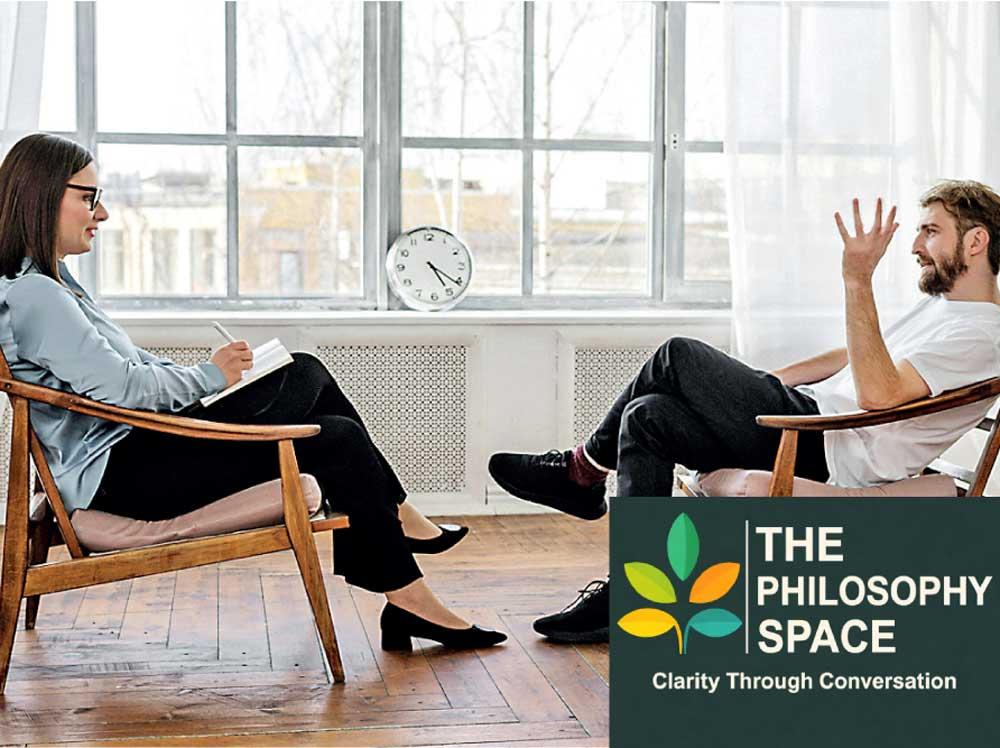
Philosophical counselling is a non-clinical, reasoning-based practice (Curiosphilosophy newsblog)
 Today, people face multiple crises like economic burdens, social disparities and moral dilemmas. In such circumstances, clarity plays an important role in remaining steadfast and finding solutions. What if the most pressing questions could be addressed and a path for dialogue and understanding could be fostered through an existential approach? In this context, philosophical counselling becomes vital and timely.
Philosophical counseling is a non-clinical, reasoning-based practice. It examines beliefs, values, assumptions and choices, rather than diagnosing disorders. It also seeks to cultivate clarity and ethical awareness, and to ensure reflective decision making through structured philosophical inquiry.
As such, the philosophical counsellor specialises in the examination and analysis of arguments rather than in looking for the underlying dysfunctional mental processes. Philosophical counsellors focus primarily on epistemic justification, while psychological counsellors focus primarily on applying empirical science.
In light of these events, the Daily mirror reached out to researcher and founder of “The Philosophy Space” DMBK Shashendra to discuss how his institution is geared to provide philosophical counselling services and education. He shared his thoughts on the organisation’s beginnings, its role, and the way forward.
“The Philosophy Space does not offer surface-level solutions. Instead, organisation creates a space for deep thinking and meaningful conversation. Guided by timeless philosophical wisdom and applied to today’s challenges, the organisation also helps individuals as well as corporate and government institutions to grow with clarity, resilience, and purpose,” Mr. Shashendra said.
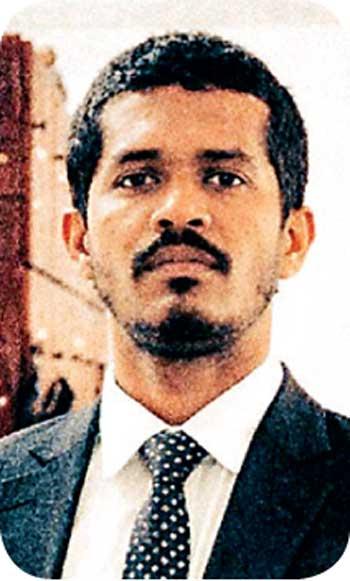 |
| DMBK Shashendra |
Reminiscing about how he established the organisation, he said: “The Philosophy Space began as a response to a simple but serious concern: many people struggle with confusion, ethical uncertainty, and critical thinking in everyday life, yet philosophy remains confined to universities. As a philosophy lecturer and counsellor, I wanted to bring philosophical reasoning into practical life. What started as a small intellectual initiative gradually developed into a platform offering philosophical counselling, education and reflective discussions, making philosophy accessible, practical, and relevant to contemporary society.”
Mr. Shashendra also discussed the vital role that his institution played in terms of providing philosophical counseling services. According to him,The Philosophy Space plays a vital role in making philosophy practically accessible beyond academic institutions. It bridges the gap between theoretical inquiry and everyday decision-making by offering philosophical counselling, logic training, and reflective dialogue.
“In a society increasingly marked by confusion, misinformation, and ethical uncertainty, our organisation cultivates critical thinking, intellectual discipline, and value clarification. Its role is not therapeutic in the clinical sense, but formative; it strengthens reasoning, promotes epistemic responsibility, and encourages individuals to approach personal and social problems with clarity, coherence, and philosophical depth,” he added.
Discussing future aspirations, Mr. Shashendra said: “The Philosophy Space aims to become a dynamic intellectual platform that brings philosophy into meaningful engagement with contemporary life. Through its website, it plans to introduce structured public programmes, curated learning resources, and reflective discussion forums accessible to a wider audience. Upcoming initiatives will focus on critical thinking, applied ethics, and philosophical dialogue relevant to modern social and personal challenges. By integrating academic depth with practical reflection, The Philosophy Space seeks to foster a thoughtful community where disciplined reasoning and ethical awareness contribute to responsible citizenship and informed public discourse.”
According to Mr. Shashendra, the organisation’s programmes fall under four categories; Flagship & Core Programmes, Public Philosophy Circles (Monthly), Professional & Advanced Programmes, and Special Thematic Workshops. He said: “Philosophical counselling is a key area that we prominently focus our attention to.”
He also noted that the organisation offered a variety of programmes tailored to different age groups such as Interactive Workshops which comprise of sessions that use stories, games, and discussions to explore philosophical concepts, after-School Clubs which hold Regular meetings that delve into topics like justice, friendship, and identity, holiday camps which provide immersive experiences combining philosophical inquiry with creative arts and outdoor activities, school partnerships which offer collaborative programmes integrated into school curricula to enrich students’ educational journeys. “Last year, The Philosophy Space, in collaboration with Ahangama’s Good Dharma International School, conducted a workshop for kids recently,” Mr. Shashendra said. “The theme of the event was ‘The Earth is Talking… Are You Listening?’
“ The workshop featured a series of practical, creative exercises that encouraged the children to appreciate the environment with curiosity,” he added.
Further discussing future prospects of the organisation, Mr. Shashendra said that he expected to increase the community outreach, so that the poor and marginalised communities would also be considered.