Reply To:
Name - Reply Comment
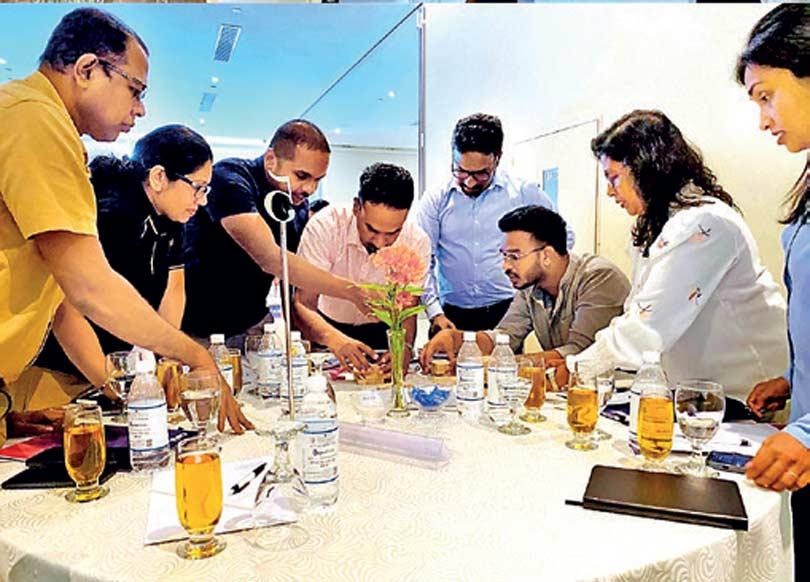
Participants explored how Sri Lankan organisations must similarly pivot, shifting focus from aggressive acquisition to preservation and resilience
 The workshop’s central theme focused on the “Tactical Compass, the necessity of evolving KPIs during disruption without losing one’s “True North”
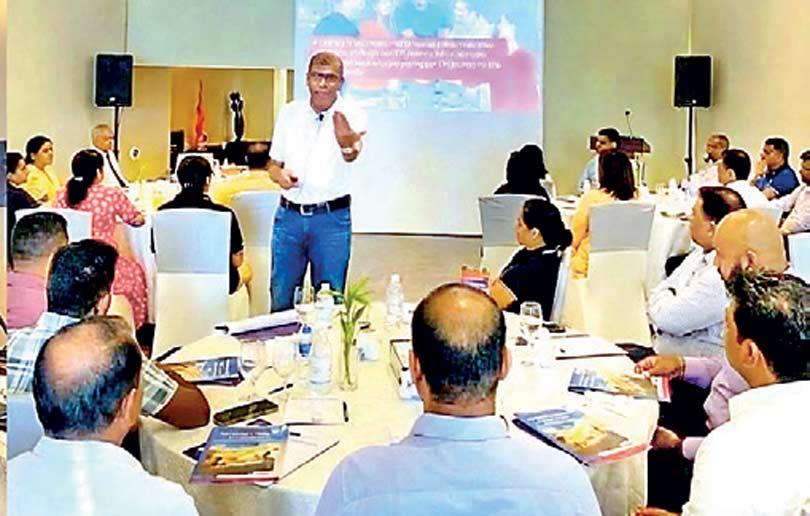
In the wake of Sri Lanka’s recent natural disasters, senior executives from diverse sectors gathered for a landmark workshop, “Building Stronger – KPI Mastery for a Sustainable 2026,” hosted by CIPM Sri Lanka. The session, facilitated by HR professional C. Hewapattini, challenged leaders to move beyond “business as usual” by fundamentally reframing how they measure success during national recovery.
The workshop’s central theme focused on the “Tactical Compass, the necessity of evolving KPIs during disruption without losing one’s “True North”. Drawing powerful parallels from the 1995 Kobe Earthquake, the session illustrated how Japanese leaders abandoned traditional “peace-time” metrics like quarterly growth in favour of the “Phoenix Plan”. This model prioritises a “Vital Few” breakthrough objectives — such as infrastructure restoration and community safety—to drive rapid, disciplined reconstruction.
From acquisition to preservation
Participants explored how Sri Lankan organisations must similarly pivot, shifting focus from aggressive acquisition to preservation and resilience. For instance, a bank’s success might be measured by how effectively it transitions affected SMEs to “lifeline” programmes rather than simple loan growth.
U.A.C. Obeyesekere, CEO of CIPM Sri Lanka, opened the event by emphasising the human element of this transition.
“A journey is best measured in friends rather than miles,” Obeyesekere noted during his welcome address. “As we redefine our compass, we must ensure our performance engines are built on a foundation of collective resilience and mutual support”.
The day concluded with the SBI (Situation-Behaviour-Impact) feedback method, rebranded as “Kintsugi Leadership”. This approach encourages managers to use objective feedback as “golden repair,” mending organisational fractures and strengthening the “human pulse” of their teams without compromising dignity