Reply To:
Name - Reply Comment
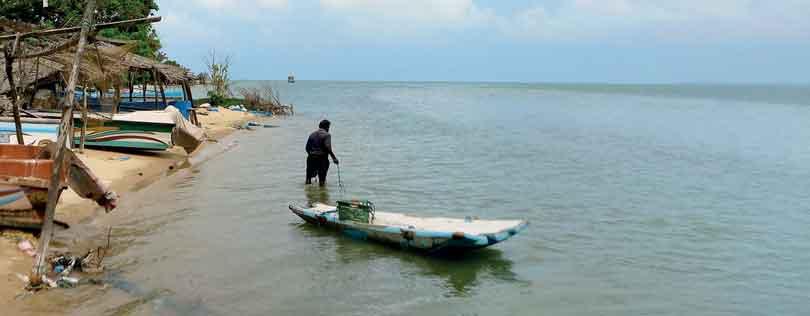
The number of families in the Battalangunduwa Island have reduced from 2,000 to just 250 over the years, mainly because of the limited facilities available
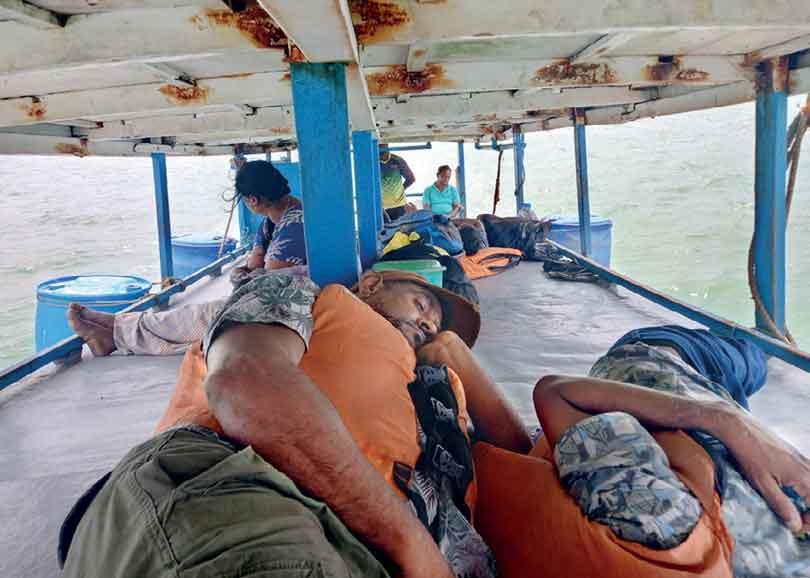
A shuttle ferry service operates daily, but each passenger must pay Rs. 1,150 for a single journey to Kalpitiya which takes nearly three hours. It is a cargo boat used for transporting fish, without proper seats
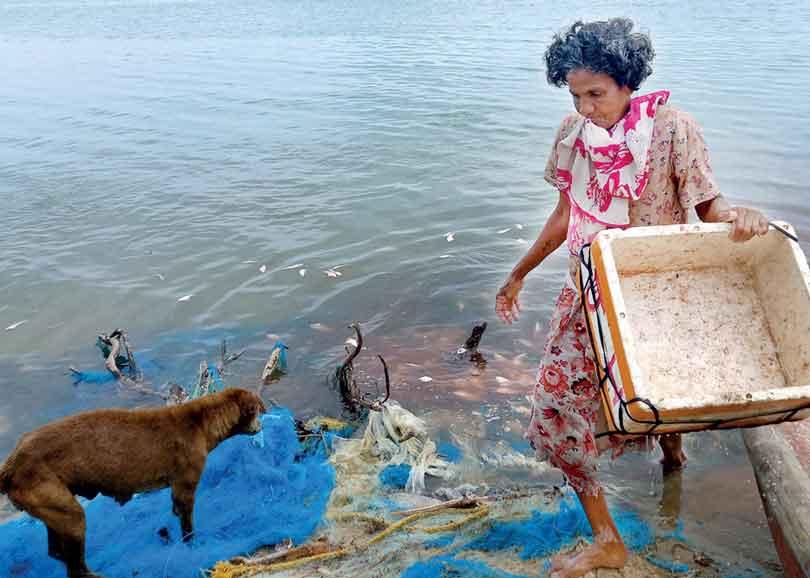
Many have been pushed into poverty due to the rising cost of living
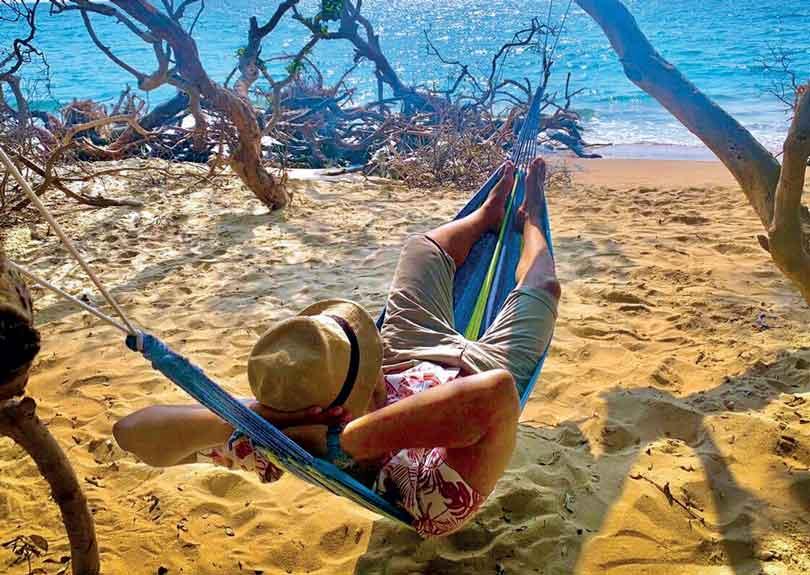
Despite the doom and the gloom in the day-to-day lives of residents, the island has managed to be in the limelight for its growing tourism activities (Picture courtesy katerblue)
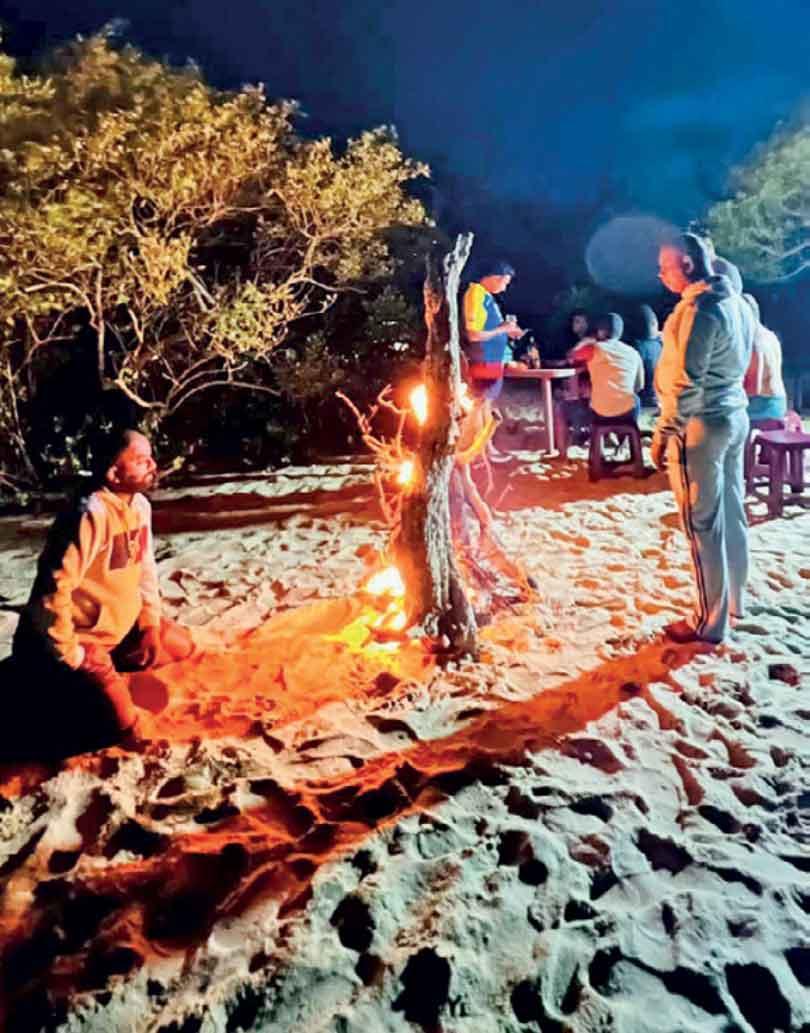
Night camping sites at Battalangunduwa are a common activity of visitors to the island (picture courtesy www.baththalangunduwa.com)
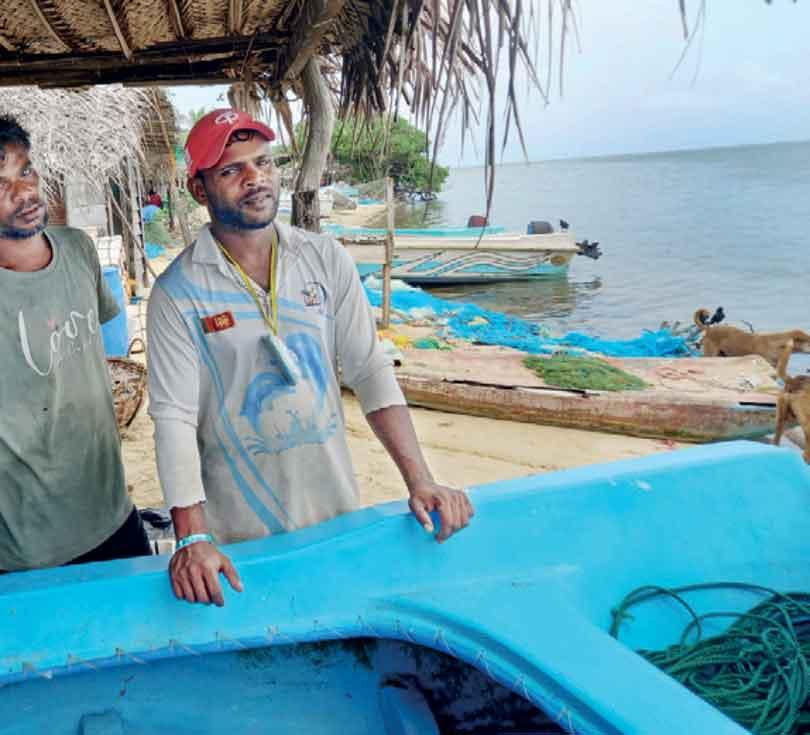
Fishing remains the primary livelihood of the islanders, but is a trade filled with uncertainty and minimal returns
We have no option but to purchase a 210-lire barrel which is sold for almost double the price in Kalpitiya. This single supply has to serve all our needs—drinking, washing, cooking, and cleaning utensils. Every drop is precious because we have nothing else to rely on.
- Cruz, an islander with 40 years of experience in Battalangunduwa
There are days when the ferry doesn’t show up if there are around five passengers waiting. In such situations, the ferry prioritizes transporting fish instead of people. Anyone who needs to travel outside the scheduled times must hire a private boat, which is very expensive.
- Callistus, a fisherman living
on the island
- Daily life is arduous for Battalangunduwa folk because the island’s inhabitants have to live in harsh environmental conditions
- Fishermen in the island find their income barely enough to sustain their families
- The islanders are crippled due to lack of transport facilities and encounter difficulties in getting their produce to a profitable market
- Arid conditions, sparse vegetation, shortage of drinking water and the absence of electricity make daily life on the island a struggle
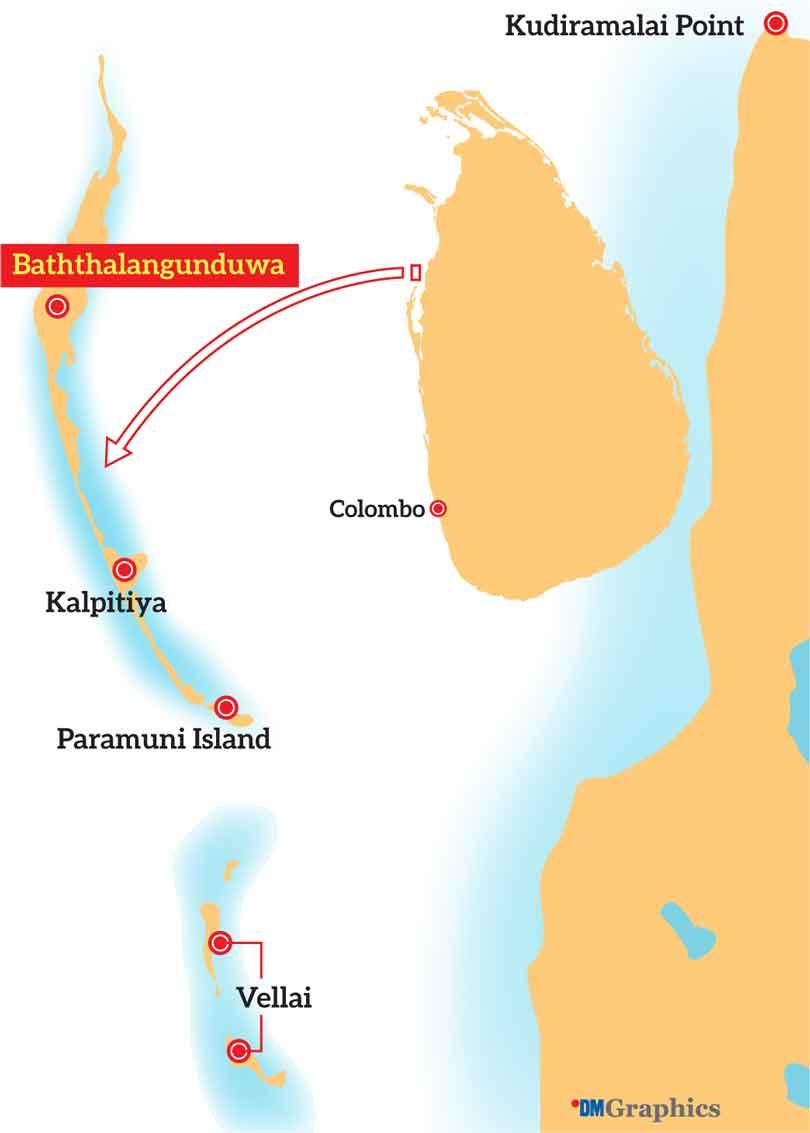
 Battalangunduwa is an island situated off Sri Lanka’s northwest coast, belonging to the Kalpitiya archipelago. Although its serene beauty has made it a popular tourist destination, daily life is far more complex and arduous for those who call the island home. Beneath the facade of this breathtaking landscape lies a dark reality as the island’s inhabitants constantly grapple with limited resources and harsh environmental conditions.
Back in the day, the island served as an abode for fishing communities who migrated from the mainland during the fishing season. Over the years, many of them settled permanently, and even at present, fishing remains the primary livelihood of the islanders. However, it is a trade filled with uncertainty and risk. Their income is meagre, and barely enough to sustain their families. Transporting their catch to the mainland poses another challenge. With limited transport facilities and rough sea conditions, getting their produce to a profitable market is difficult. As a result, many fishermen are forced to sell their catch to middlemen who arrive on the island—often for a fraction of its real value which leaves them trapped in a cycle of hard labour with minimal returns.
A long-time resident and vendor, Cruz, who has lived on the island for over 40 years, described their trials and tribulations to the Daily Mirror. “Life on the island is quite tough; its dry, arid conditions, sparse vegetation, shortage of drinking water and the absence of electricity make daily living a continuous struggle. Having no direct access to clean water is one of our biggest issues. We have no option but to purchase a 210-litre barrel which is sold for almost double the price in Kalpitiya. This single supply has to serve all our needs—drinking, washing, cooking, and cleaning utensils. Every drop is precious because we have nothing else to rely on,” Cruz explained.
He further added that the island has never had a proper power supply. According to him, the Government has recently launched a solar-powered project to provide electricity to residents. Under this scheme, each household is required to pay Rs. 35,000 for five solar lights. But for most families here, that amount is far beyond reach. “We live on daily wages that are barely enough for our basic needs, so spending such a large sum at once is simply unthinkable for many. As a result, a large number of households still remain in the dark,” he said.
Moreover, Cruz went on to describe the island’s growing tourism activity. “There are two main tour operators who offer various packages to Battalangunduwa, attracting mostly local travelers who come to camp on the beach. They are brought by boat to designated campsites, where they are typically treated to a seafood lunch and a barbecue dinner. We don’t necessarily have an issue with them, however, the peace of the community is occasionally disrupted when visitors play loud music or make noise, especially late into the night. Yet, we still coexist with the tourism industry since we know how beneficial it really is,” Cruz remarked.
A shuttle ferry with no seats
He also explained the difficulties of travelling between the island and the mainland. “A shuttle ferry service operates daily, but each passenger must pay Rs. 1,150 for a one-way trip, and the journey to Kalpitiya takes nearly three hours. The vessel itself is actually a cargo boat primarily used for transporting fish, so there are no seats—passengers simply sit or stand on the deck throughout the long trip. The boat also carries goods to the island, with transport charges varying depending on the type of items being delivered. There are a few small shops on the island, including my own, selling vegetables and other essential items which the boat delivers on request,” he said. These stories clearly portray how dependent the community is on this limited and costly ferry service.
Callistus, a fisherman living on the island, explained that there are no hospitals or doctors available, and the only medical help residents receive comes from a nearby navy camp. “Even that support is limited, so in case of a serious health issue, people have no choice but to travel almost 32 km to the mainland. The ferry service makes this even more difficult since it leaves Kalpitiya at 8:30 a.m. and departs from Battalangunduwa at 1:30 p.m. There are days when the ferry doesn’t show up if there are around five passengers waiting. In such situations, the ferry prioritizes transporting fish instead of people. Anyone who needs to travel outside the scheduled times must hire a private boat, which is very expensive due to fuel costs—and only a few residents own boats,” he remarked.
Calistus has written to the Kalpitiya Port Authority requesting a government-run ferry service operated by the navy. He believes this would reduce travel costs, prevent exploitation, and ensure the ferry arrives on time regardless of the number of passengers. He hasn’t received a response yet, but remains hopeful.
Furthermore, he expressed concerns regarding the lack of facilities in the island which intensifies their socio-economic situation. “We rely on the small amount of water collected from pits dug by the residents, but even that becomes unusable when the salt content rises too high. The limited water available is often contaminated, increasing the risk of contagious diseases. As a result, we are forced to purchase water barrels at a high price. There are also no educational facilities for the children. There was once a small school with about 40 students, but it is no longer functioning. This has become one of the primary reasons why many families abandon the island, as they want to ensure their children receive an education. In most cases, the wife and kids move away while the husband remains on the island to continue his livelihood in fishing,” he stated while adding that many officials and visitors come to the island and make promises, yet no real action is ever taken to alleviate the villagers’ hardships.
Callistus added that the island once had over 2,000 families, but has gradually declined to only 250 families currently residing in the island. Many have been pushed into poverty due to the rising cost of living; a situation made worse by the absence of price regulation in the island’s grocery shops. “Some vendors increase the prices of essentials, leaving us utterly helpless, and when we complain, they justify it by saying that the transport costs are too high since everything has to be brought from Kalpitiya,” he concluded.
Overall, the islanders continue to struggle with limited services, rising costs, and dwindling support, yet they remain hopeful that their concerns will be acknowledged. With proper attention and timely intervention, their quality of life could be significantly improved.