Reply To:
Name - Reply Comment
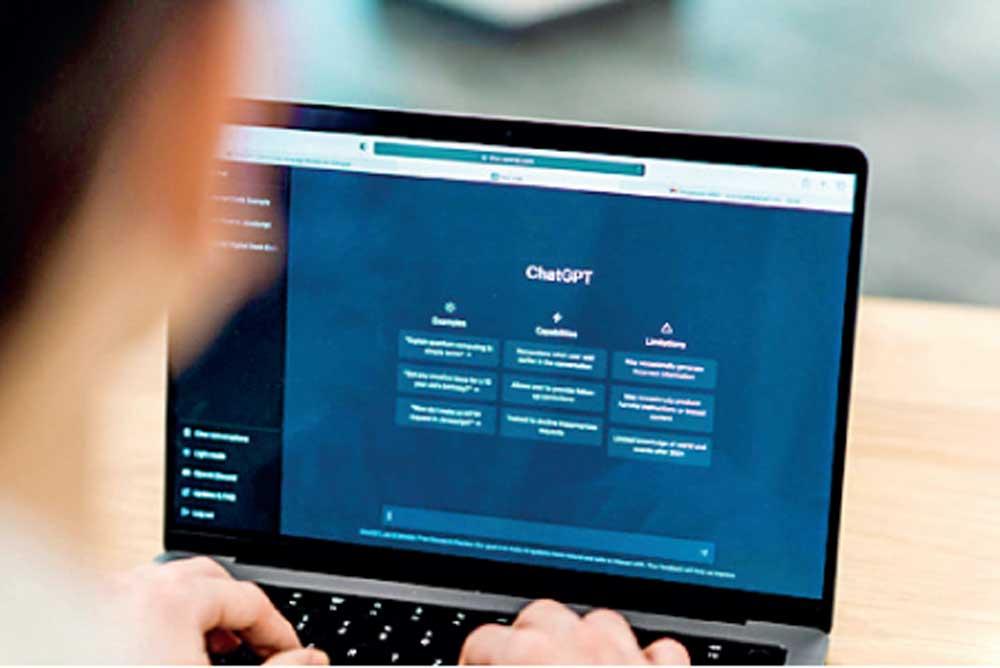
As people get used to always-available, optimised AI responses (like Chatgpt), they may find human compassion less satisfying and become more attached to machines
 It’s time we move beyond the once-revered motto from Silicon Valley to “move fast and break things”. This quote-turned-operating mode is widespread across the world; you might even see it on the office walls of some IT companies in Colombo. The result? The digital products rolled out fueled by this idea have successfully broken our societies, democracies, planet, and our willingness to experience life or, at the extreme, to live at all. Yet, these companies never want to admit or take responsibility for the damage they’ve caused.
Recently, an American tech company that created personalised AI chatbots was claiming ‘speech’ by the AI chatbot was protected by their First Amendment. This was in response to the lawsuit brought by a parent (Megan Garcia) in Florida, wanting to hold the developers of the Character.AI chatbot accountable for the suicide of her 14-year-old son in 2024. Thankfully, a federal judge dismissed the claim that chatbots are entitled to the same First Amendment protections as humans.
The attention crisis
With the increased and widespread use of digital technologies in our communities, we are witnessing an alarming rise in mental health challenges, both reported and observable. This phenomenon stems largely from the underlying incentives of digital tools, which compete relentlessly for the world’s most valuable resource: our attention. We humans are most valuable to some of these tech companies when we are selfish, narcissistic, addicted, outraged, and constantly seeking validation and attention.
So, the question becomes: in a world where attention is scarce and impatience is abundant, do we still have the patience to give attention and compassion to our families, friends, loved ones, or even strangers who need assistance?
Delivering kindness through active listening
I volunteer as a befriender at a mental health helpline, offering compassionate support to individuals experiencing emotional distress. Befriending is a skilled, non-judgemental, and confidential approach that centres on active listening, creating a safe space for people to express themselves and feel genuinely heard.
Recently, while bedridden with chikungunya for several days, I fell into the familiar trap of constantly checking social media to pass the time. Despite understanding the dopamine reward system and how these platforms are engineered to hijack our limbic system – information I regularly share during mental health awareness sessions – my weakened willpower proved no match for trillion-dollar companies unleashing supercomputers designed to capture my attention. As my social media consumption increased, I noticed myself becoming more easily distracted, bored, and craving stronger dopamine hits.
For a befriending volunteer, this represents a profound threat. Just as a singer losing their vocal cords can no longer perform, a befriender losing their ability to give undivided attention to callers fundamentally undermines their capacity to serve. But this challenge extends far beyond volunteering and professional listening helpers – it affects anyone who wants to be truly present for others in their lives.
Though my experience was temporary, it raises a critical question for all of us: do we – will we – have the patience to truly listen when someone needs to be heard?
Human connection interrupted
What happens when people become too impatient to share their distress with other people, preferring instead AI-powered mental health apps that can access their chat history, browsing patterns, and countless other data points to rapidly understand their problems and offer ‘solutions’?
What happens when listening helpers, parents, teachers, social workers, clergy, and others grow impatient due to their own overconsumption of attention-fragmenting social media? Some might argue we're already seeing this with some of these roles.
The rise of artificial compassion
AI-powered mental health and companion apps are emerging as seemingly perfect listeners – always available, algorithmically flawless in their responses, and mimicking attention more consistently than friends or listening helpers ever could. Anecdotal evidence suggests some students across Sri Lanka are choosing ChatGPT and other AI apps over their school counsellors and other adults, due to deteriorating trust and human connections.
Investment firms, organizations, and governments are channeling massive resources into mental health apps because experts proclaim, "we need more investment in mental health." But we know, outsourcing compassion to machines is not compatible with genuine human flourishing. This shift will fundamentally reshape our human relationships. As people grow accustomed to always-available, algorithmically-optimized responses, they may increasingly find human compassion – with all its imperfections and limitations – less satisfying, while their attachments to the machines strengthen.
Unfortunately, many app developers and investors, despite their good intentions, fundamentally lack critical understanding of (and maybe some choose to ignore) these technologies’ limitations and broader societal implications.
Giving attention to this issue
So, why don’t we have a better discourse? Critical and nuanced discussions about mental health are increasingly sidelined. Why? Because the digital landscape has fundamentally transformed our attention economy. Digital platforms now capture most of our daily focus and host an increasing proportion of our conversations. In this environment, content spreads primarily based on entertainment value rather than substantive merit. This creates a troubling cycle where mental health discussions gaining visibility are often those most algorithmically engaging rather than most genuinely helpful.
When we direct our collective attention toward technological solutions for mental health, we inadvertently reinforce the narrative that our psychological – and crucially social – well-being can be effectively managed through digital algorithms. This becomes a self-fulfilling prophecy: the more we invest in technology-based approaches, the more we normalize them as primary solutions, potentially overlooking our fundamental human needs for authentic connection and community-based support.
The next three years (2025-2028)
I believe the next three years will be crucial for us and our future generations. What we choose to do – and choose not to do – will be crucial in shaping how we connect with each other.
Here are three crucial initiatives we must explore:
A call to human connection
The choice before us is clear: we can continue allowing algorithms to fragment our attention and outsource our compassion, or we can reclaim our capacity for genuine human connection. This starts with small, intentional acts—putting our phones aside when someone is speaking, volunteering in our communities, or simply asking a friend how they’re truly doing and then listening to the answer. In a world increasingly drawn to technological solutions, the most radical act may be the simple decision to be fully present with another human being.
The writer, Harinda Fonseka, is a Board Trustee at Befrienders Worldwide and also the Founder and CEO of gudppl