Reply To:
Name - Reply Comment
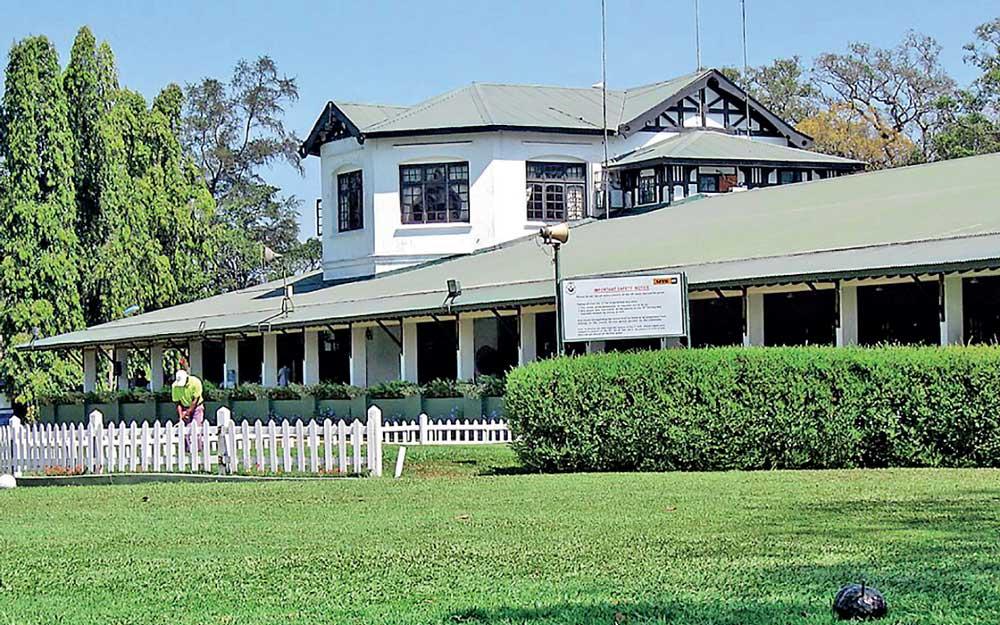
Animal wellness organizations and animal well-wishers have collaborated and written to the officials of the Royal Colombo Golf Club (RCGC) to consider the humane management of dogs within the premises of the club
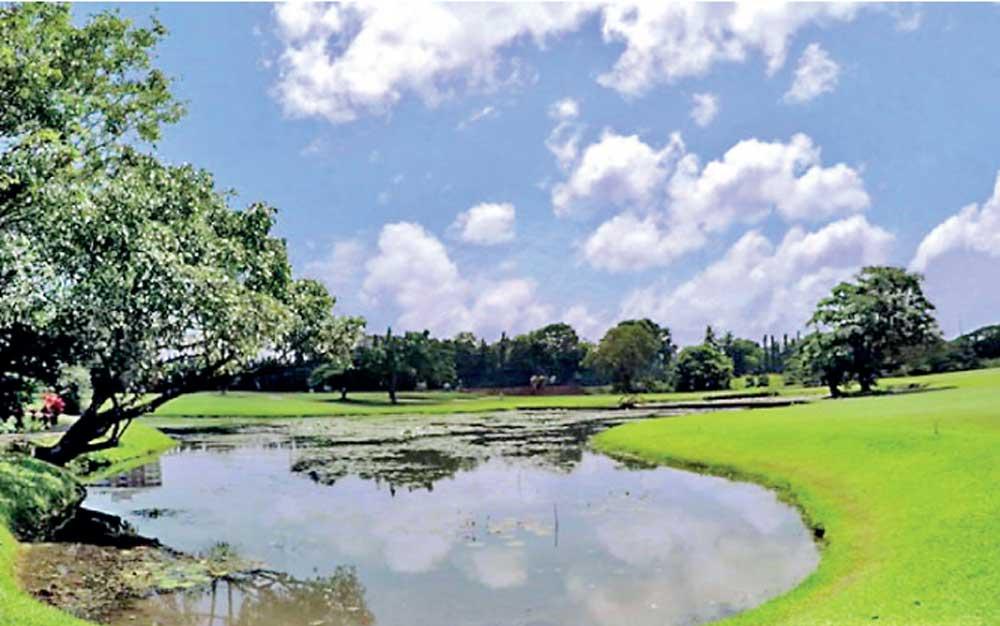
The land on which the Club now stands was originally part of the Alfred Model Farm, established by Sir Charles Henry de Soysa
Animal wellness organizations and animal well-wishers have collaborated and written to the officials of the Royal Colombo Golf Club (RCGC) to consider the humane management of dogs within the premises of the club. These organizations have made a request in their letter to the RCGC under the subject: consideration of proposed clauses 8A.5.1–8A.5.3 and to take this matter up at the Annual General Meeting of the club, which is scheduled for February 10.
The following is the letter:
Dear Sir/Madam
We write with serious concern regarding proposals contained in clauses 8A.5.1, 8A.5.2 and 8A.5.3, which we understand are scheduled to be discussed at the meeting of designated office bearers, committee members and members on 10 February 2026, and the implications such decisions may have for an institution of the standing of The Royal Colombo Golf Club.
The Club’s origins are deeply rooted in Sri Lanka’s history. At its first Annual General Meeting held on 13 March 1880 at the Colombo Club, the foundations were laid for what would become one of the country’s most respected sporting institutions. The land on which the Club now stands was originally part of the Alfred Model Farm, established by Sir Charles Henry de Soysa, a visionary Ceylonese philanthropist, with the express intention of creating a centre of excellence in agriculture and animal husbandry. Although the farm itself did not materialise as planned, the land was gifted to the colonial government and, in July 1896, formally converted into the Colombo Golf Club following the arrival of Sir West Ridgeway, then Governor of Ceylon, whose sympathetic support responded to the golfing community’s request for a dedicated ground.
This history is significant. The land was conceived not merely as open space, but as a place connected to animal care, stewardship, and responsible land use. Over more than a century, the Club has evolved into a premier sporting and social institution, yet it remains a custodian of this legacy.
It is precisely because of this heritage that decisions affecting animal welfare, public perception, and legal compliance—particularly those to be deliberated at a formal meeting—should be approached with measured deliberation, expert consultation, and careful consideration of long-term consequences.
From a governance, technical, and ethical standpoint, we respectfully draw attention to the following:
Institutional Reputation and Stewardship: The Royal Colombo Golf Club is widely regarded as a national institution. Decisions taken at Committee level carry weight well beyond the Club’s membership and may shape public perception for years to come.
Accepted Scientific and Technical Practice: The internationally recognised and evidence-based method for managing free-roaming dogs in controlled environments is CNVR (Catch–Neuter–Vaccinate–Return), endorsed by the World Organisation for Animal Health (WOAH) and the World Health Organization.
Territorial Stability and Risk Reduction: Sterilised and vaccinated dogs form stable territorial groups that deter the entry of unvaccinated or aggressive animals. Removal-based approaches frequently lead to a “vacuum effect,” resulting in the arrival of new, unmanaged dogs.
Public Health and Legal Context: Anti-rabies vaccination directly supports public health objectives. Sri Lankan law does not permit indiscriminate removal or destruction of dogs, and actions taken without due process may expose institutions to legal and reputational risk.
Governance and Due Process: Proposals scheduled for discussion under clauses 8A.5.1–8A.5.3 merit consultation with qualified veterinarians, animal-welfare specialists, and relevant authorities prior to adoption or implementation.
In this context, we wish to place before the Captain, Committee, and the Management a constructive and responsible alternative for consideration at the meeting of 10 February 2026:
We respectfully submit that such an initiative would naturally fall within the purview of Corporate Social Responsibility (CSR), reflecting the Club’s commitment to ethical stewardship, community well-being, and humane values. Beyond its practical benefits, this approach would enhance the standing of The Royal Colombo Golf Club as a responsible and forward-looking institution, bringing goodwill and a sense of collective pride to its members, while fostering an environment of compassion and harmony consistent with the Club’s distinguished traditions.
Such measures are humane, lawful, technically sound, and consistent with international best practice, while respecting both the safety of members and the historic values of the Club.
We respectfully submit that the proposals presently listed under 8A.5.1, 8A.5.2 and 8A.5.3 should not be adopted in their current form, and that the forthcoming deliberations allow for a careful reassessment informed by professional expertise and the Club’s long-standing tradition of responsible stewardship.
We would also be pleased to organise and support the above measures in close collaboration with the management and like-minded members of The Royal Colombo Golf Club, who cherish the Club’s long traditions and the spirit in which the land was originally gifted—grounded in stewardship, agriculture, and respect for animal life. We believe that a cooperative approach, guided by shared values and mutual respect, would allow the Club to address present-day concerns in a humane and balanced manner, while honouring the legacy and dignity of this historic institution.