Reply To:
Name - Reply Comment

Ashila Dandeniya presents a copy to Bingun Menaka - news editor Mawbima
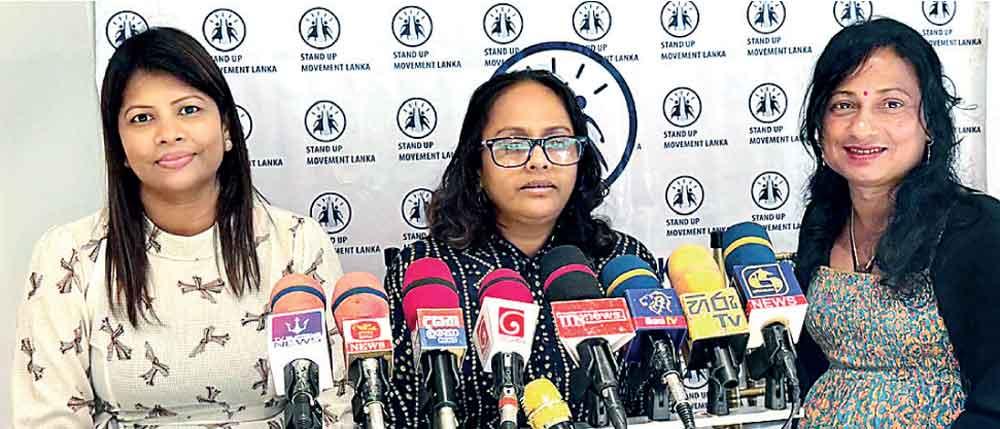
Answering questions at the press conference
The Standup Movement, an organisation that has been agitating for the rights of sex workers for many years, was the principal force behind the project. It is a civil society organisation that campaigns for the professional and human rights of more than 900 sex workers in nine districts in the country
 A code of ethics and principles pertaining to reportage on sex workers in Sri Lanka was released recently at KYN ROOK Airport Hotel, Katunayake, with Senior Journalist Lasantha De Silva as the resource person.
The Standup Movement, an organisation that has been agitating for the rights of sex workers for many years, was the principal force behind the project. It is a civil society organisation that campaigns for the professional and human rights of more than 900 sex workers in nine districts in the country.
Journalist Lasantha De Silva said he sought the views of professional journalists,sex workers and organisations that stand for their rights to compile this code of ethics and principles.
Perfect, ethical and responsible reportage is conducive to the wellbeing of the media, social equilibrium and public security. It is an integral part of the media. Use of defamatory language to harass and make fun of sex workers would bring them further disrepute. Irresponsible reportage would justify social violence against them and deprive them of their right of access to public services.
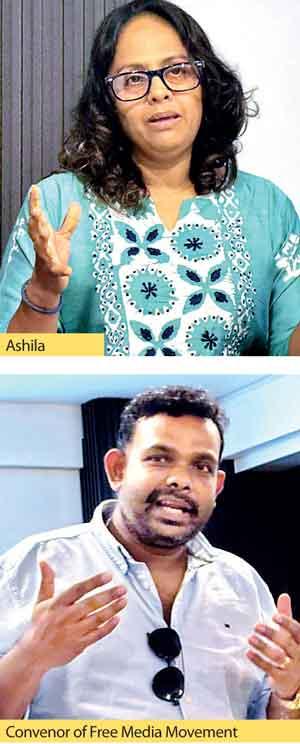 Such attitudes, sex workers believe, can deprive them of their fundamental rights. Irresponsible reportage of sex workers, owning to the disregard of media norms, has created misconceptions, and caused the spread of hatred and violence against them while bringing them disrepute. Therefore, the Standup Movement decided to introduce a code of ethics and principles for reportage on sex workers” said Lasantha de Silva, who is Convener of the Free Media Movement as well.
He is of opinion that the code of ethics and principles applicable to reportage on sex works would reduce the exploitation of sex workers to the barest minimum. He pointed out that by publishing pictures, names, and addresses and other sensitive details about sex workers can cause serious inconvenience to them, but this code of ethics would prevent that and other issues affecting them.
“This code of ethics used as a guideline would prevent exploitation of sex workers and misconceptions about their life. One of our main objects is to provide equality to them with workers in other fields. Several guidelines to journalists have been highlighted in this code of ethics. Factual reportage would bring benefits such as respect for sex workers, tolerance, social acceptance, and prevention of any damage to them, ” Lasantha de Silva said.
Addressing the audience, news editor of the Mawbima daily newspaper Bingun Menaka Gamage said that reports and photographs which emphasise the sexuality of sex workers can make such reporting seem to be obscene, and cause legal issues to the journalists responsible. This media guide, he pointed out, could minimise such problems. He further said that this document is an indicator towards media responsibilities when it comes to reporting such topics, and not any attempt to block such reporting. He added that it would help to negate built up prejudices against sex workers and make journalists realise when they write that sex workers too, have the same rights as workers in other sectors.
Stand Movement believes that sex workers too, should be accepted by society workers with rights as everyone else. They point out that the international outlook as represented by organisations such as UNIIDS, WHO,UN, WOMAN and Amnesty International indicates that adult sex workers need to be given the same recognition as those in other labour markets; hence, they are entitled to the same protection and rights. In New Zealand, sex wok isn’t a crime, and it is permitted under special regulations in the Netherlands and Germany.
When the Daily Mirror spoke to Executive Director of Standup Movment Ashila Dandeniya, she said the sex workers should be recognised as ordinary workers for three reasons.
“Workers fall within two main categories as service providers and production workers. The sex workers fall within the category of service providers. Just as professionals in other fields, they provide a service required by society. Workers are divided into two groups: formal and informal. Sex workers belong to the informal group of workers. They depend on self-employment and use their labour to make a living while contributing to the service economy of the country.” She said.
Several sex workers commended the step taken to introduce a code of ethics for journalists. They said the scornful reportage seriously affected their profession.
K.Pushparani, a sex worker, said their profession has a long history and that it has been legalised in several countries.
“These countries have provided the opportunity for a service of high standard, but in our country our profession has been subject to a serious challenge particularly due to the irresponsible media reportage. Recently, the media reported that AIDS has been spreading fast in the Colombo and its suburbs. However, the statistics were not based on a reliable source. The News report attributed it to the sex workers. We are subject to violence from society and the police as well owing to such media reports. We depend on this profession to maintain our families. Therefore, it’s good to know that media reporting can be done according to a standard. ”
K. H. Saubhagya is migrant sex worker working in Colombo and nearby towns. She points out that workers like her come under a lot of pressure due to the defamatory and inflammatory nature of media reporting.
“Some journalists as well as social activists report twist our words when they report what we say, and add things which we never said. Others take our pictures stealthily without permission and publish. We do this work voluntarily but sometimes family members don’t know what we are doing. Some workers have children and it causes them distress. Therefore, we request responsible attitudes when the media reports about us. That’s why we feel positive about this media guide,” she said.
When it comes to this topic, the majority in this country are opposed to it, said Chamari Upasena, representing a women’s front representing the rights of sex workers.
“When an issue regarding sex workers crops up, the media always talks to those organisations hostile to us, the police or political authorities. But the views of those engaged as sex workers and those bodies representing their rights should also be taken for a balanced view. That’s why we hope all media organisations in this country will follow what is outlined in this media guide,” she said.