Reply To:
Name - Reply Comment
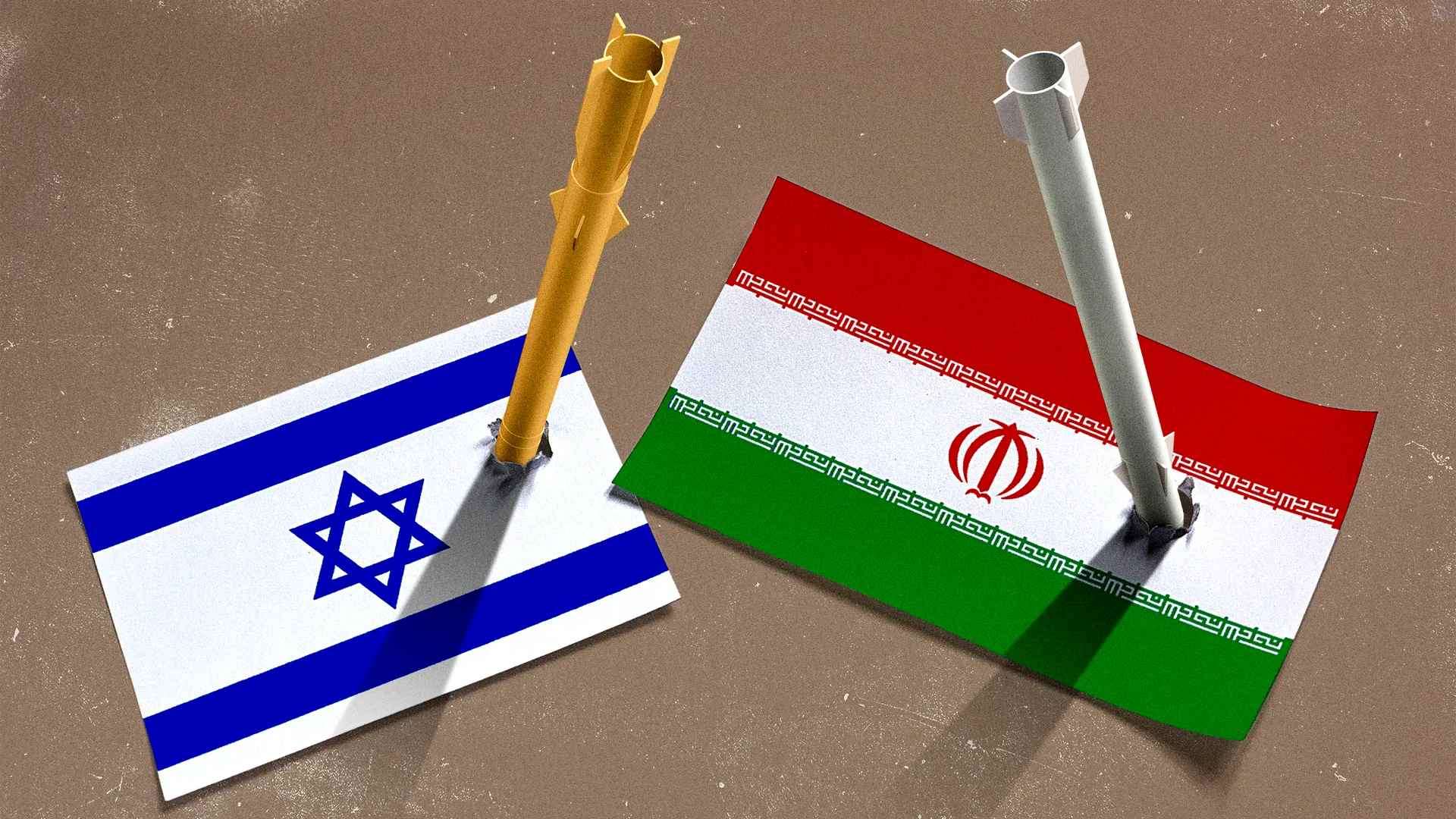
 The United States, which accounts for 13 percent of global imports, has chosen to use its economic power to extract concessions from its global trading partners. On April 2nd, the US imposed significant tariffs on goods entering its market, effectively blocking access unless countries agree to tailor-made ‘America First’ trade deals. With tariffs paused for 90 days, over 70 countries are reportedly seeking a deal. The US market accounts for nearly a quarter of Sri Lanka’s exports. Sri Lanka faces one of the steepest tariff rates at 44% — a potentially crippling burden for a country that is already struggling with cost competitiveness. Sri Lanka, meanwhile, has joined others in pursuing a bilateral ‘trade deal’ with the US. However, securing a fair-trade deal with the US will be challenging for a small, developing country like Sri Lanka with little bargaining power.
Even a secured deal is unlikely to significantly revive Sri Lanka’s ailing export sector, as the country’s export problems predate the recent US tariffs. Sri Lanka will be better served by turning this period of short-term pain into long-term gain through effective domestic reform to improve the country’s competitiveness and overall business climate. Additionally, proactively working towards expanding other sectors with untapped export potential, such as tourism and maritime logistics, will help mitigate the negative impact.
Making a quick, fair deal with the US will be challenging
Even for the Trump administration, concluding trade deals with over 70 countries within 90 days is not an easy task. Although access to the US market is important, countries must be able to justify to their constituents at home what they give up in return is reasonable.
Japan, India, and the EU were among the first to enter negotiations, and the signs of strain are already becoming visible. According to Reuters, Japan has expressed reluctance to make big concessions to expedite negotiations. Politico quoted an Indian diplomat who noted that the near-daily trade talks between lower-level Indian and American officials are often marked by sharp disagreements. The Irish Times reported that the EU has rejected US demands on sweeping changes to its food standards and cutting ties with China.
At a minimum, Sri Lanka would want a trade deal that ensures a level playing field by stipulating its tariff is no higher than that of its competitors. At best, Sri Lanka would like to secure a lower tariff than its competitors, to enable it to be an attractive alternative source for US buyers. Yet, Sri Lanka is at a distinct disadvantage when negotiating a trade deal with the US.
A deal with a small country like Sri Lanka is not a big enough ‘win’ for the Trump administration to boast about. It has very little to offer in return for market access. The US will be far keener to clinch a deal with larger trading partners like Japan, South Korea, the EU, Vietnam, and India. According to the Treasury Secretary Scott Bessent, the US is prioritising talks with the “big fifteen” economies. Despite optimism and ambition in Washington, concluding these deals will take time.
With limited negotiating experience, Sri Lanka is ill-equipped to manage the confusion and lack of clarity surrounding US expectations, which is said to unnerve even the most seasoned negotiators. Sri Lanka is far from being a “seasoned” negotiator; it has fewer trade agreements and far less negotiation experience and expertise.
What a trade deal cannot do is larger than what it can do
The “America First Trade Policy” will have far-reaching effects that no bilateral trade deal can offset. These include:
Overall decline in US demand: If April 2nd tariffs take off, the US average tariff will rise from 2.2% to 22%. Resulting in higher prices which, combined with frequent and abrupt changes to policies, will dampen US economic growth and consumer demand.
Lower demand from markets outside the US: IMF’s World Economic Outlook Jan 2025 update, projected 2025 global growth to be 3.3%, already below the historical average. Trade tensions are likely to slow down the global economy further. According to the WTO, world trade could shrink by 1.5% in 2025 if the situation deteriorates further. Increased competition in markets outside the US: A large share of exports, particularly from China, subject to over 100% tariffs, is expected to shift to other markets. The WTO projects an 80% drop in US-China trade. Chinese exports to the US are worth over USD 500 billion. A large share of this shifting to other markets will increase global competition for Sri Lankan products.
Even if Sri Lanka secures a deal, it will not be sufficient to manage the above-mentioned negative impacts. Moreover, Sri Lanka’s export problems predate Trump. Export growth remained sluggish at a CAGR of1.4% over the last decade. Exports have continuously declined as a percentage of GDP. The country continues to miss export targets set by a large margin. Domestic policies, or lack thereof, contributed to this lacklustre export performance.
Converting short-term pain into long-term gain
Many have urged the Sri Lankan government to use this as an opportunity to pursue long-overdue reforms to improve the international competitiveness of Sri Lankan firms. Additionally, expanding avenues of generating foreign exchange earnings is critical. Tourism and maritime logistics sectors have significant untapped current and future export potential. Both are low-hanging fruit; the country has already made a name for itself as a tourism destination and a maritime hub in the region.
Tourism is a no-brainer. Although the sector has rebounded, much of its potential remains untapped. Industry leaders have highlighted the importance of a global marketing campaign. Sri Lanka can start with India, which is growing in importance as a leading tourist source market in the world. According to McKinsey, India’s outbound tourism has the potential to grow up to 80–90 million trips annually by 2040, closely rivalling China’s pre-pandemic peak.
Maritime Logistics—Leveraging proximity and connectivity to India: Amidst global turmoil, India remains a “bright spot” in the world. Its large, youthful labour force and large domestic market have made it attractive to investors.
Recent developments appear to have elevated India’s position and leverage in the world. Sri Lanka’s proximity to major ports in India makes it a prime location that can provide fast and easy connectivity to India. Sri Lanka must strengthen its capacity to offer value-added services—not just transhipment—to Indian companies aiming to expand globally and international firms looking to access the Indian market.
(The writer is a Research Director at Verité Research, a think tank based in Colombo)