Reply To:
Name - Reply Comment
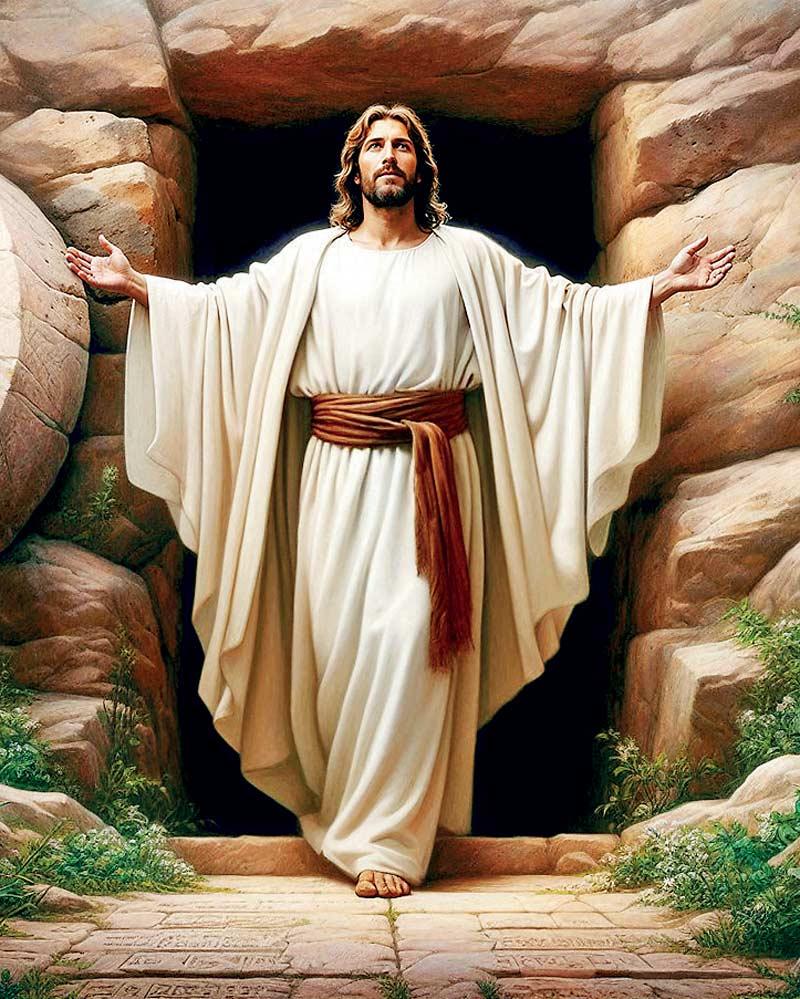
“Light of the World”: Easter celebrates the triumph of Christ and commemorates the resurrection of Jesus Christ from the dead
 In a nation that has experienced its share of calamities and challenges, the convergence of Easter and Aluth Avurudu offers a powerful opportunity for reflection and renewal. The shared messages of peace, reconciliation, light, and life provide a common ground upon which all Sri Lankans, regardless of their religious or ethnic background, can unite!
 Sri Lanka, an island nation blessed with a rich tapestry of cultures and traditions, witnesses a unique confluence of spiritual significance in the spring. As the vibrant morning hues of the Sinhala and Tamil New Year (Aluth Avurudu) paint the landscape with joyous celebrations, the solemn yet triumphant spirit of Easter resonates deeply within the Christian community. Though distinct in their origins and rituals, these two pivotal festivities converge on fundamental human aspirations: the yearning for peace, the promise of reconciliation, the illumination of hope, and the vibrant renewal of life! This convergence offers a powerful and poignant message for the nation, a reminder of the shared values that can bind its diverse people together.
The Resurrected Hope
Easter, the cornerstone of the Christian faith, commemorates the Resurrection of Jesus Christ from the dead. This pivotal event, following the agony of His Crucifixion on Good Friday, is not merely a historical recollection but a profound declaration of victory over sin and death. This glorious Resurrection embodies the ultimate triumph of good over evil, light over darkness, and life over mortality. Its central message is one of profound peace—the peace that surpasses understanding, the peace that Christ Himself offered to His disciples after His Resurrection (cf. St. John 20:19). This peace is not simply the absence of war or conflict but a deep-seated harmony within oneself, with others, with nature, and essentially rooted in forgiveness and reconciliation.
As Saint Paul the Apostle wrote in his letter to the Colossians, “For in him all the fullness of God was pleased to dwell, and through him to reconcile to himself all things, whether on earth or in heaven, making peace by the blood of his cross” (1:19-20). This Scripture passage underscores the central role of Christ’s Supreme Sacrifice on the Cross in bringing about reconciliation—between humanity and God, and consequently, between individuals. The message of Easter calls on believers to extend this spirit of reconciliation to their communities, to bridge divides, to forgive transgressions, and thereby to actively work towards building a society characterised by harmony and mutual respect. The empty tomb is a powerful symbol of hope, signifying that even in the face of immense suffering and injustice, new beginnings and the possibility of healing are always within reach.
The Dawn of Renewal
The Sinhala and Tamil New Year, usually celebrated in mid-April, marks the transition of the sun from the zodiac sign of Pisces to Aries, signifying the end of the harvest season and the dawn of a new agricultural cycle. This festival is deeply rooted in astrological beliefs and agricultural practices, embodying the spirit of renewal, prosperity, and harmonious co-existence with nature. The traditions associated with Aluth Avurudu, such as the observance of the Nonagathaya (neutral period), the lighting of the hearth at the auspicious time, the preparation of the first meal, the exchange of gifts, and the engaging in traditional games, all symbolise the ushering in of a period of light, abundance, and renewed life.
The concept of auspicious times (Nekath) plays a crucial role in the New Year celebrations, emphasising the importance of punctuality in order to align human activities with the natural rhythms of the universe. This reflects a deep-seated respect for the interconnectedness of all things and the belief that living in harmony with nature brings forth prosperity and well-being. The lighting of the oil lamp, a central ritual in many New Year customs, symbolises the dispelling of darkness and the welcoming of light and wisdom into the New Year. The sharing of milk rice (Kiribath), the first meal prepared, signifies abundance and nourishment for the year ahead. These traditions collectively paint a picture of hope, renewal, and the promise of a flourishing life for all.
Echoes of Harmony
While their Theological and cultural origins differ, Easter and Aluth Avurudu resonate with remarkable similarities in their underlying messages. Both festivals inherently promote the values of peace and reconciliation. Easter, through the Sacrifice and the Resurrection of Jesus Christ, offers a path to inner peace and reconciliation with God and humanity. Similarly, Aluth Avurudu, through its emphasis on auspicious beginnings and harmonious living, encourages reconciliation within families and communities, fostering a spirit of goodwill and mutual respect. The traditional visitations and exchange of greetings during the New Year serve to strengthen social bonds and mend any rifts that may have occurred.
As Mahatma Gandhi, a beacon of peace and reconciliation in the modern era, wisely said, “The weak can never forgive. Forgiveness is the attribute of the strong”. Both Easter and Aluth Avurudu, in their own unique ways, call for this strength—the strength to forgive, to let go of past grievances, and to embrace a future characterised by peace and understanding. The spirit of renewal inherent in both celebrations provides an opportune moment for individuals and communities to reflect on their relationships and to actively work towards building bridges of harmony and reunion.
Illuminating the Path Forward
The symbolism of light is central to both Easter and Aluth Avurudu. Easter celebrates the Triumph of Christ, the “Light of the World” (St. John 8:12), over the darkness of sin and death. The Resurrection is the ultimate beacon of hope, illuminating the path to eternal life and offering solace in times of despair. Likewise, Aluth Avurudu rituals, particularly the lighting of the oil lamp, symbolise the dispelling of darkness and the ushering in of a bright and prosperous future. The vibrant colours and festive decorations associated with the New Year further contribute to this sense of illumination, optimism, and positive thinking.
As Nelson Mandela, a symbol of hope and resilience, eloquently stated, “It always seems impossible until it’s done.” Both Easter and Aluth Avurudu embody this spirit of hope, reminding us that even in the face of challenges and uncertainties, new beginnings and positive transformations are always possible. The darkness of Good Friday gives way to the radiant light of Easter morning, and the end of one agricultural cycle heralds the dawn of a new one, filled with the promise of growth and abundance.
Embracing the Cycle of Life
Both Easter and Aluth Avurudu are deeply intertwined with the concept of life and renewal. Easter celebrates the ultimate victory over death through the Resurrection of Christ, offering the promise of eternal life to all those who believe. It is a celebration of new life in its most profound spiritual sense. Aluth Avurudu, on the other hand, celebrates the renewal of the natural world, the beginning of a new agricultural cycle, and the promise of a prosperous and flourishing year ahead. The rituals and traditions associated with the New Year are geared towards ensuring abundance, health, and well-being for individuals and communities.
The renowned naturalist John Muir aptly observed, “In every walk with nature, one receives far more than he seeks”. Aluth Avurudu, with its deep connection to the rhythms of nature, reminds us of the importance of respecting and celebrating the life-giving forces of the natural world. Easter, in its spiritual essence, reminds us of the ultimate source of life and the promise of eternal renewal. Together, these festivals underscore the preciousness of life in all its forms and the importance of embracing the cycles of growth, change, and renewal.
A Call to Unity
In a nation that has experienced its share of calamities and challenges, the convergence of Easter and Aluth Avurudu offers a powerful opportunity for reflection and renewal. The shared messages of peace, reconciliation, light, and life provide a common ground upon which all Sri Lankans, regardless of their religious or ethnic background, can unite! By embracing the spirit of forgiveness and reconciliation championed by Easter, and the spirit of harmony and renewal celebrated during Aluth Avurudu, the nation can collectively work towards healing past wounds and building a more peaceful and prosperous future.
As Archbishop Desmond Tutu of South Africa, a human rights activist and tireless advocate for peace and reconciliation, wisely said, “There is no future without forgiveness”. The spirit of both Easter and Aluth Avurudu encourages this essential act of forgiveness, both on a personal and a national level. By focusing on the shared values that underpin these two significant festivals, Sri Lanka can strengthen its social fabric, foster greater understanding and empathy between communities, and illuminate a path towards a brighter and more unified future. The tapestry of dawn, woven with the threads of Easter’s grace and the vibrant morning hues of the New Year’s light, if harmoniously understood, offers a powerful and enduring message of hope and renewal for this Pearl of the Indian Ocean in her march towards lasting peace and remarkable prosperity…!
Through Easter’s grace and New Year’s light,
Sri Lanka rises, shining bright.
In peace she walks, in hope she stays,
Prosperous dreams her future lays!