Reply To:
Name - Reply Comment
 Economist says traders increase prices disproportionately when fuel prices spike
Central Bank may not be able to reach inflation target in case of price increases
By Kelum Bandara
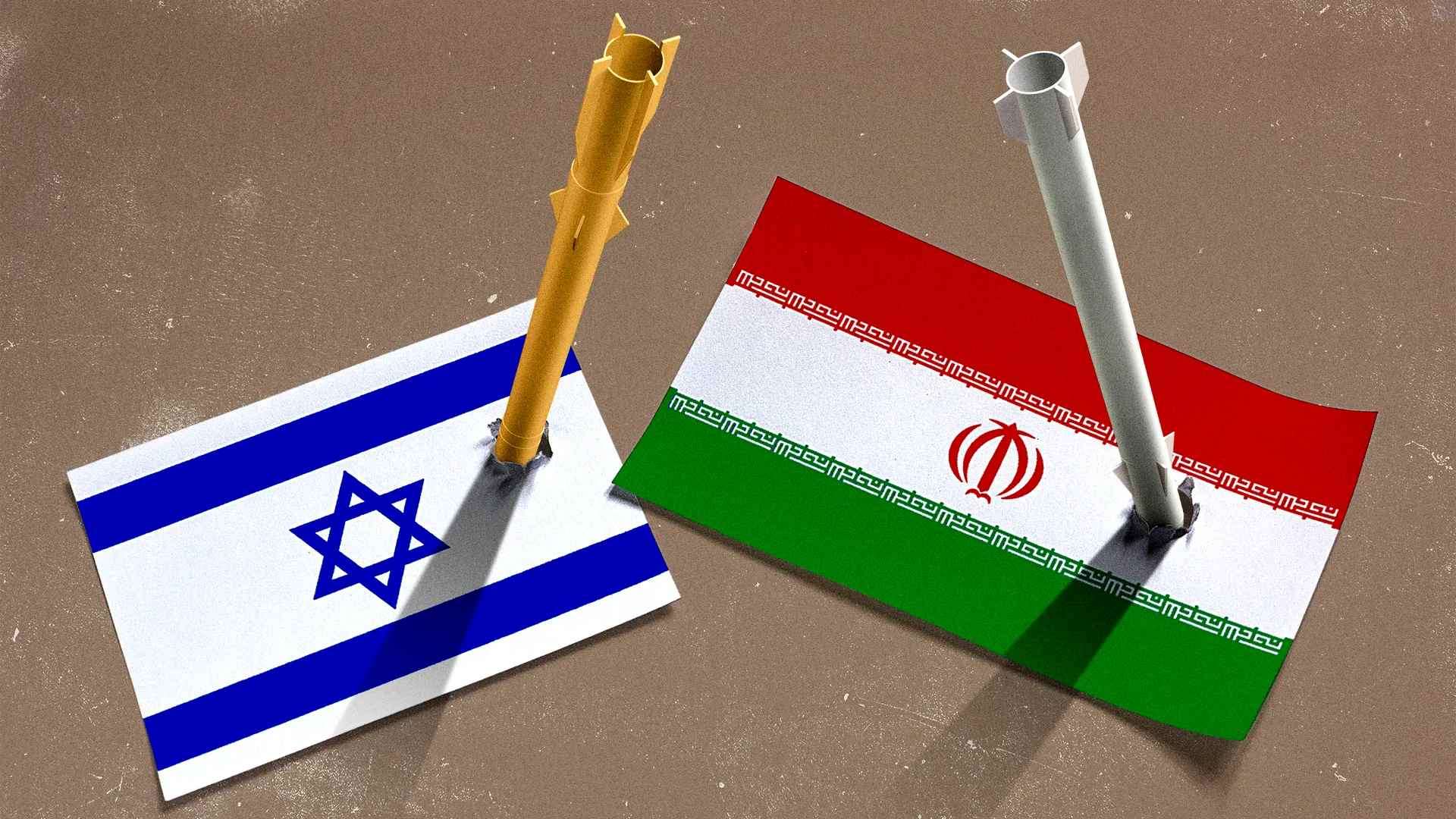
Fuel prices are poised to increase during revisions expected by August because of spikes in the global market as a direct result of the conflict between Israel and Iran, a top official said yesterday.
Iran is a big oil producer, and accounts for about 3 per cent of global supplies. Sri Lanka purchases fuel from companies based in Singapore. Besides, talks are underway with the United Arab Emirates (UAE) for a fuel purchasing agreement, but it has not materialised yet.
As the conflict between Israel and Iran entered its fourth day, Brent crude rose by 0.5 per cent in trading, pushing towards US $ 75 a barrel, while US crude rose by 0.7 per cent to $73.42. Brent later dropped 0.5 per cent to US $ 73.78 a barrel.
The official who wished to remain anonymous said that this would not have a major impact immediately.
“When the prices are revised locally at the end of June, it won’t be a problem. We are currently receiving stocks ordered at earlier prices. Price hikes will apply for stocks to be ordered next only,” he said.
Sri Lanka is a country that has introduced a cost-reflective fuel pricing formula. Any spike in the international market will have a bearing on the local prices as a result. Fuel prices are revised at the end of every month.
Senior Lecturer of the Department of Economics at Colombo University Dr. M. Ganeshamurthi, who commented on the implications of the global fuel price surge on the Sri Lankan economy, said it would have an overall bearing on the cost of living.
He said the conflict in the Middle East, which is the main oil route, would trigger a price hike due to reasons such as high insurance premiums. He said Sri Lanka will naturally have to adjust local prices accordingly as an importer.
“Once oil prices increase, it will result in the increase of other products. It will happen disproportionately. When prices drop, they don’t do it. Recently, the prices dropped. Yet, in Sri Lanka, traders did not reduce the prices of their products on sale accordingly. When the fuel prices surge, it is the other way round,” he said.
He said that though the Central Bank planned for inflation at 5 per cent within the next two quarters, it would overshoot in the event of fuel price hikes as a result of the conflict.