Reply To:
Name - Reply Comment

 Olympia London hummed with energy as designers, buyers and creatives from nearly 25 countries gathered for Source Fashion 2026. Amid the swathes of fabric, futurefocused conversations and global perspectives on responsible sourcing, Sri Lanka made a quietly powerful statement—debuting its first-ever country pavilion with confidence, creativity and unmistakable purpose. Held from 13 to 15 January, Source Fashion is one of the UK and Europe’s leading platforms for ethical and transparent apparel sourcing.
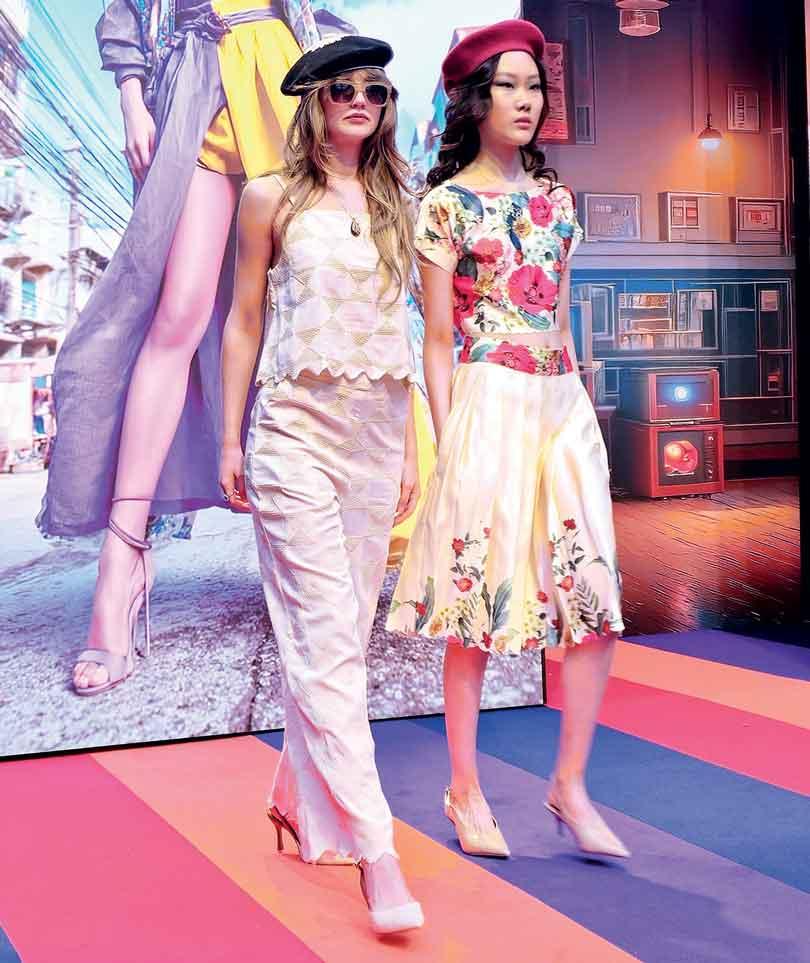
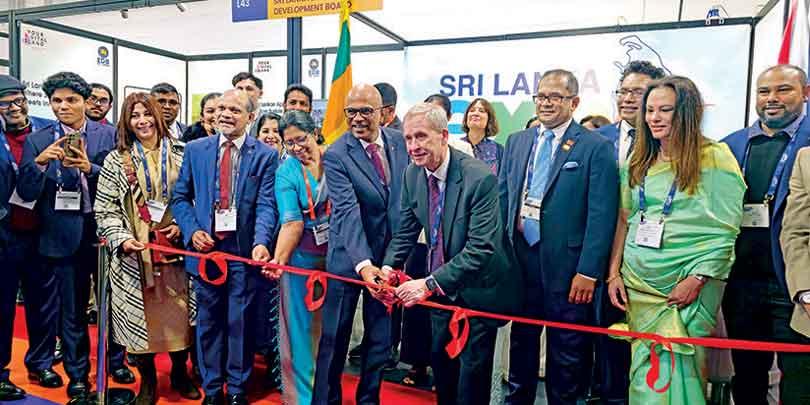
For Sri Lanka, this was far more than a trade exhibition. It was an opportunity to tell a story—one rooted in values, craftsmanship and innovation—on an international stage that truly aligned with its identity. The Sri Lanka Pavilion was officially inaugurated on 13 January with a ribbon-cutting ceremony attended by H.E. Nimal Senadheera, High Commissioner of Sri Lanka to the UK, and Lord Hannett of Everton OBE, the UK’s Trade Envoy to Sri Lanka, in the presence of industry leaders, exhibitors and officials from the Sri Lanka Export Development Board (EDB) and the Sri Lanka High Commission in London. Jointly organised by the EDB, the Sri Lankan apparel industry and the Sri Lanka High Commission in the UK, the pavilion brought together 20 carefully selected Sri Lankan companies, including 12 SMEs. Together, they reflected the breadth of the country’s apparel ecosystem—from large-scale global manufacturers and innovative small enterprises to digital printing specialists, sustainable packaging providers and craftled designers. For Manoja Dissanayake, Director of the Sri Lanka Export Development Board, Source Fashion was a natural and strategic choice. “The initiative to bring together a 20-company Sri Lankan apparel contingent for Source Fashion in London was a collaborative effort led by the EDB and the Sri Lanka High Commission in the UK,” she explained. “The main objective was to position Sri Lanka as a trusted global partner for sustainable apparel solutions.” Sri Lanka’s long-standing “Garments without Guilt” ethos—defined by ethical labour practices, environmental responsibility and product excellence— mirrored Source Fashion’s own values. “This platform goes beyond showcasing products,” Manoja said. “It tells the story behind them— the people, the processes and the principles. That alignment made our presence here especially meaningful.” That story came vividly to life not only within the pavilion, but also on the catwalk. Sri Lankan apparel featured prominently in a series of Source Fashion runway shows, where collections from the island were presented alongside world-class international brands. The shows highlighted Sri Lanka’s design sensibility, technical expertise and ability to meet global fashion expectations— proving that responsible manufacturing and contemporary style can go hand in hand.
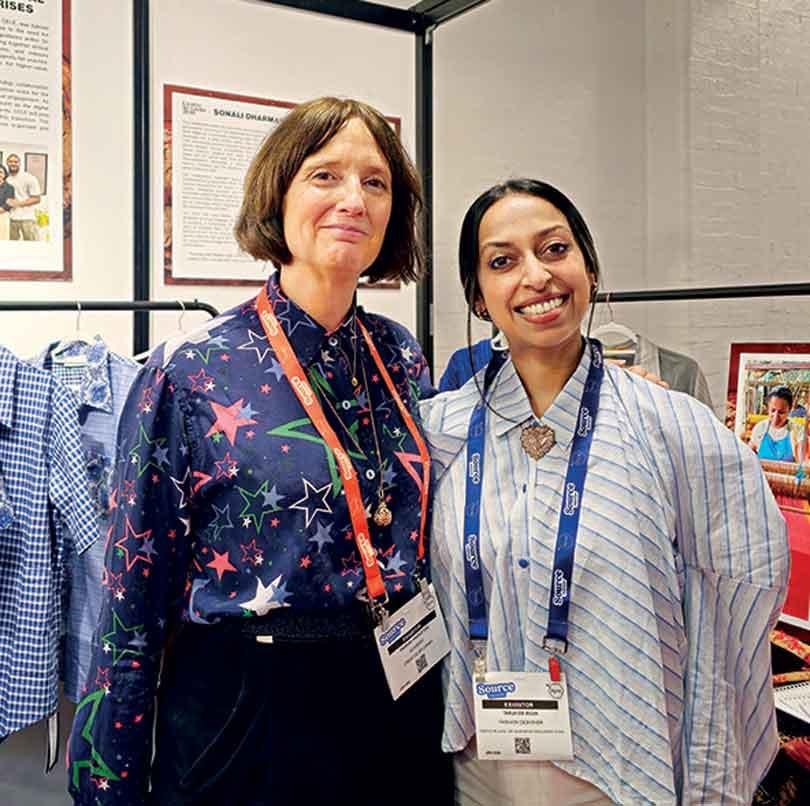
Within the pavilion, visitors encountered a rich mix of modernity and heritage. Alongside sleek activewear and contemporary silhouettes were reinterpretations of traditional batik and handloom, as well as circular design techniques integrated into modern collections. It was a reminder that Sri Lanka’s strength lies in its ability to blend tradition with innovation. “We wanted buyers to understand that Sri Lanka delivers responsibly, innovatively and collaboratively,” Manoja added. “Our industry is future-ready—combining ethical excellence with advanced technology, design innovation and supply chain transparency. We’re not just a manufacturing base; we’re a strategic partner.” For participating brands, the response was both encouraging and tangible. Panduka Ekanayake of LCY described the experience as a defining moment. “Taking part in Source was a proud moment for us as a Sri Lankan business, because it let us represent the full story properly—from our manufacturing capability in Sri Lanka to our export and private label arm in London,” he said. “The response was genuinely strong, with serious export leads and discussions around longterm partnerships.” Adding a deeply human and creative layer to Sri Lanka’s presence was the EU– Sri Lanka Craft Matchmaking Programme, which showcased collaborations between Sri Lankan micro and small enterprises and European designers across handloom, batik, natural fibres, upcycling and jewellery. The programme places artisans at the centre of the creative process, positioning them as collaborators rather than conventional suppliers. “Exhibiting at Source was an extremely positive experience,” said Hannah Middleton, Associate Dean of Knowledge Exchange at London College of Fashion, University of the Arts London. “It provided a high-quality international platform to showcase Sri Lankan craftsmanship alongside contemporary design collaborations, and enabled meaningful conversations with buyers, brands and industry partners.” She added that the support of the EDB was instrumental in elevating Sri Lankan craft within a global sourcing context, demonstrating the potential of inclusive, people-centred creative trade models. With the UK’s Developing Countries Trading Scheme (DCTS) offering zero import duty and more flexible rules of origin from January 2026, Sri Lanka’s presence at Source Fashion London 2026 was both timely and strategic. In a space where fashion, values and storytelling increasingly intersect, Sri Lanka didn’t just participate—it resonated.