Reply To:
Name - Reply Comment
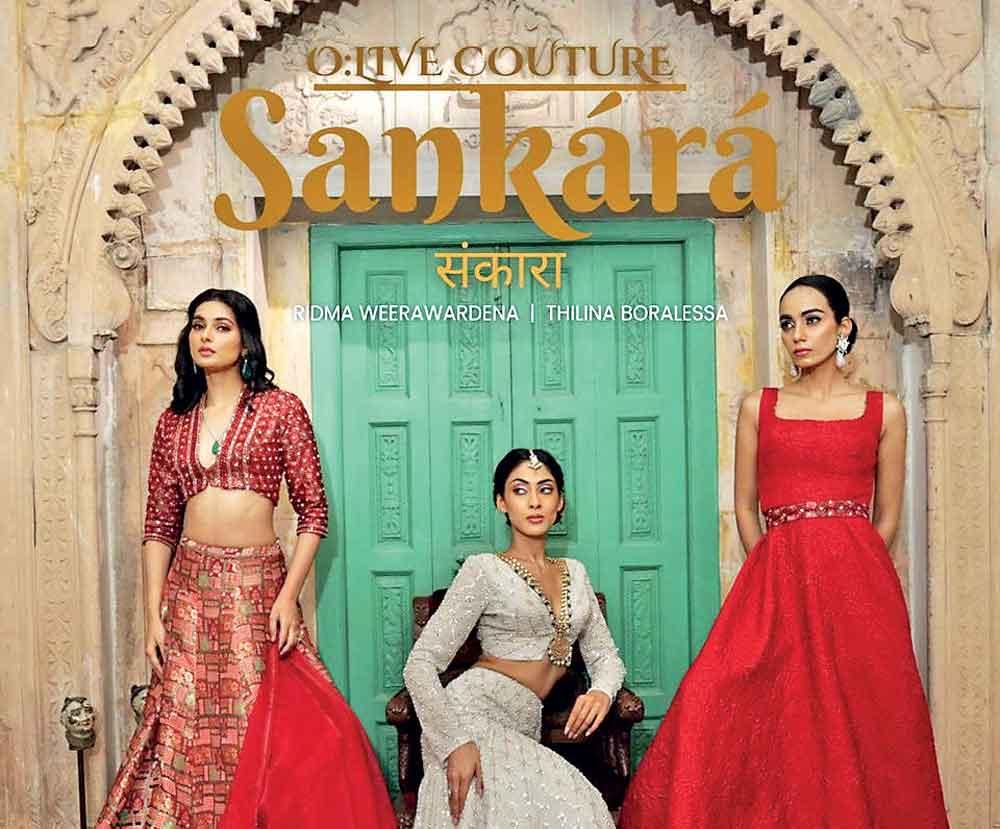
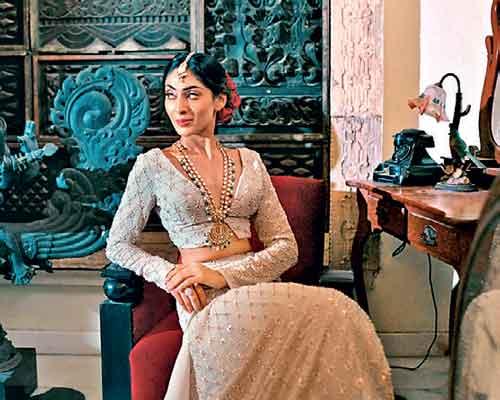
In a world where fashion often speaks louder than words, Olive Couture’s latest project Sankárá takes that voice and sets it to music, movement, and meaning. Shot in the heart of Delhi, this striking fashion film isn’t just a visual feast — it’s a celebration of South Asian heritage, artistic collaboration, and the power of storytelling beyond borders.
 Born from a creative alliance between designer Sammani of Olive Couture and Sri Lankan artist Ridma Weerawardena, Sankárá is part of the Beyond Borders initiative — an ambitious project that weaves together fashion, music, and cross-cultural expression. Featuring top Indian models, a hauntingly beautiful Sri Lankan soundtrack, and the raw elegance of a centuries-old haveli as its backdrop, the film redefines what a fashion campaign can be.
I caught up with Sammani to talk about the vision, the challenges, and the magic behind Sankárá. Here’s what she had to say.
Shooting a fashion film in India is no small feat! What made you choose India as the backdrop for this particular campaign? This fashion film “Sankárá” was part of the Beyond Borders project I was involved in with Ridma Weerawardena, a project designed to foster collaborations across different countries and regions through art. I always wanted to create a fashion film that incorporated music, and during our trip to Kashmir to shoot Ridma’s ‘Dase Dase’ music video, he suggested we also film “Sankárá” in Delhi, since our DOP, Sahan Wickramarachchi, was with us as well. The song’s melody had a distinctly Indian feel, making India the perfect backdrop. We chose Delhi in particular because I’d already connected with a fantastic team there during the Global India Couture Week I took part in last year, which made collaborating on this film so much smoother.
Finding a location that matched this vision was also quite challenging, but essential. We wanted something authentically Indian, with heritage and character, to ground the concept. After a lot of searching, we found this beautiful old haveli (traditional house) called Kathika in Delhi. It had the perfect blend of history, texture, and charm, and really brought our entire vision to life in the most authentic way.
Tell us a bit about the creative direction—what was the inspiration behind the concept of the film? The creative direction behind the film was rooted in the idea of merging traditional Indian couture with contemporary silhouettes. We wanted to present a regal collection of ethnic wear for both men and women, where timeless craftsmanship meets modern cuts. The colours, textures, and fabrics were inspired by both Indian and Sri Lankan couture traditions. Since the project was part of ‘Beyond Borders,’ our aim was to celebrate the deep cultural and aesthetic parallels between the two countries, blurring boundaries through fashion and storytelling.
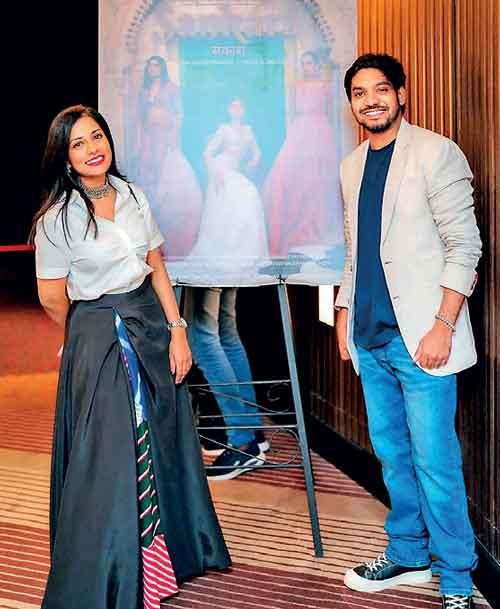
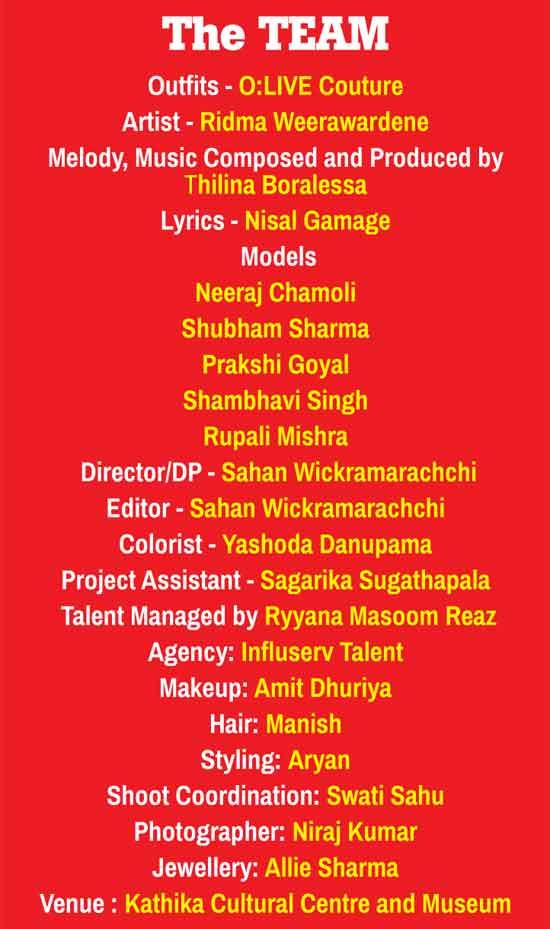
This film was a true team effort. Ridma and Thilina shaped the entire musical direction of the song “Sankárá” and they guided how its mood should influence the visuals. While designing, I listened to the song a lot and I think it really inspired me in choosing the colour palettes and silhouettes to match its mood. Sahan, as our DOP, brought it all to life with beautiful, cinematic shots that captured the textures, colors, and emotion we wanted. Their combined input turned it from a fashion shoot into a rich, meaningful narrative.
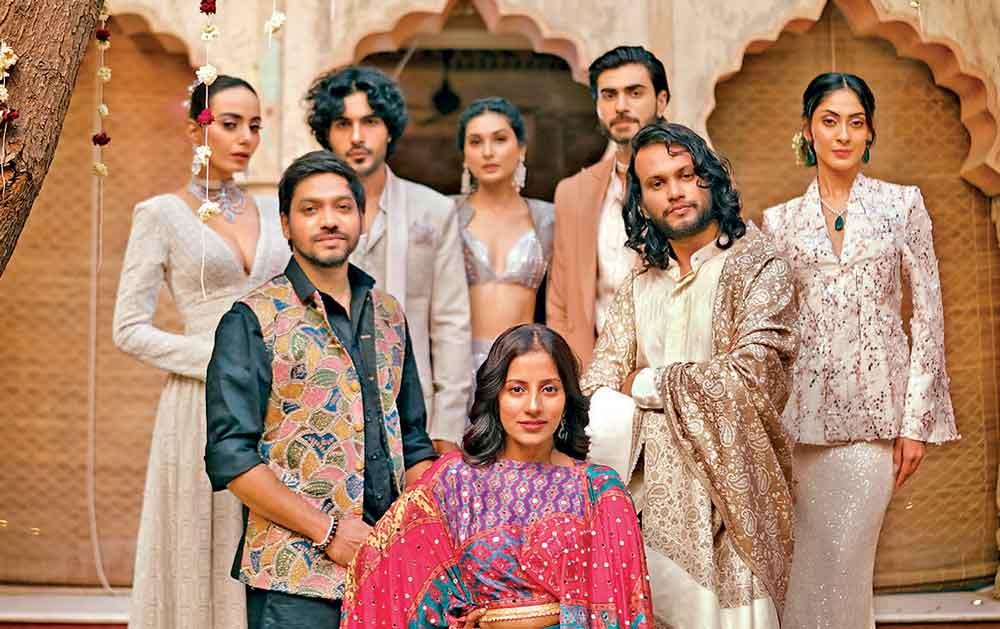
You’ve worked with some top Indian models for this project. What was it like collaborating with them, and did it bring a different kind of energy to your brand? It was truly amazing working with these top Indian models, they brought such professionalism and presence to every frame. They knew exactly how to embody the mood of the collection, which made the entire process so smooth and enjoyable. I selected them through Influserv Talent, with Masoom helping me choose the most suitable faces for the concept. We were very intentional about picking models who would not just look great in the clothes but also reflect the spirit of the project. Our cast included Neeraj Chamoli, Shubham Sharma, Prakshi Goyal, Shambhavi Singh, and Rupali Mishra. Planning to work with them on my future projects too.
We love that you featured Sri Lankan music by Ridma in the film. How did that collaboration come about, and why was it important to incorporate a Sri Lankan sound? Sankárá’ was actually the first-ever track created by Ridma and Thilina Boralessa, but it had been tucked away for years. During my 10 year anniversary show, they played it for me and I instantly fell in love with it. Ridma and Thilina suggested that it could work beautifully for a fashion film with Indian influences, and we all felt it was the perfect fit for this collection. We were also inspired by collaborations like Manish Malhotra’s film with Papon, and wanted to create something that echoed that fusion where music and fashion meet across borders. Incorporating a Sri Lankan song with such a rich, eastern melody felt like a true celebration of both cultures.
Are you eyeing international markets or collaborations? Yes, definitely. We’re very excited to keep exploring international markets and collaborations. This was just the beginning,it really opened our eyes to the power of cross-cultural work. We want to keep building those connections, showcasing Sri Lankan design on a bigger stage, and partnering with artists and creatives from around the world.
What’s your ultimate vision for the brand and what kind of legacy do you want Olive Couture to leave behind in the fashion world? My ultimate vision for Olive Couture is to create a brand that honours tradition while embracing innovation, a brand that tells stories through every stitch..