AI SUMMARY GENERATED ONLY FROM THIS ARTICLE'S TEXT.
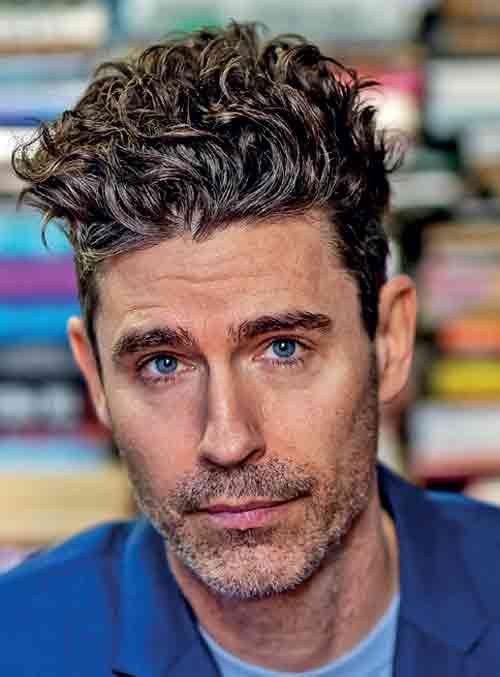
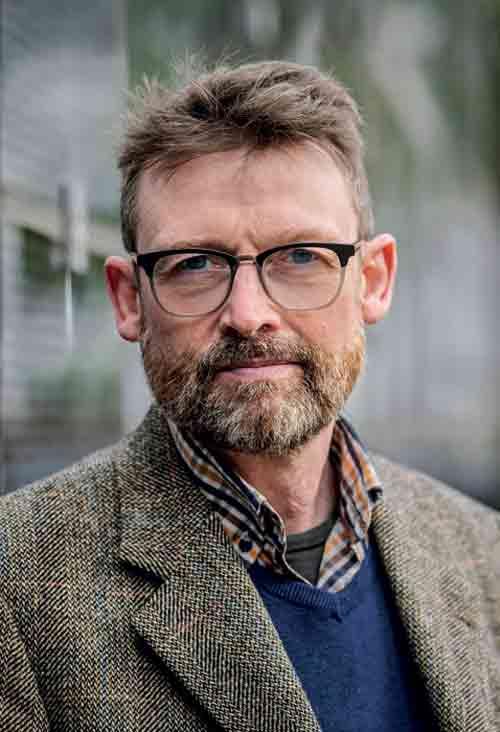
At the heart of the HSBC Ceylon Literary & Arts Festival at Cinnamon Lakeside lies one of its greatest strengths: the rare opportunity to encounter writers not just through their words, but through conversation, exchange, and presence. This year’s festival brings together an extraordinary mix of voices—local and international—each offering a distinct lens on history, humanity, and the inner life. Among them are Dr Sanjiva Wijesinghe, Joshua Ferris, and Christoph Peters, three authors whose sessions promise not only insight, but genuine connection.
For Dr Sanjiva Wijesinghe, returning to a Sri Lankan literary space is deeply personal. A medical academic turned historian, his session Serendib Exposed invites audiences to reconsider Sri Lanka’s forgotten centrality in Indian Ocean trade and global history. Presented in conversation with Mimi Alphonsus, the discussion promises to make history accessible, engaging, and quietly revelatory—offering Sri Lankans at home and in the diaspora a renewed sense of pride in the island’s place in the wider story of humankind. His belief is simple but powerful: that hearing ideas live, questioning them, and discussing them openly can ignite curiosity and inspire further discovery.
Internationally acclaimed novelist Joshua Ferris brings a very different, but equally compelling energy to the festival. Known for his wit, insight, and sharp observations of modern life, Ferris views literary festivals as vital spaces of exchange—where jet lag gives way to invigoration, and solitary writing meets community. In conversation with Lucy Caldwell, his session promises warmth, humour, and spontaneity, exploring what inspires his work and why storytelling still matters in an age crowded with noise. For Ferris, these encounters reaffirm the enduring relevance of the written word and the deep human need for shared stories.
German novelist Christoph Peters, meanwhile, offers audiences a reflective and philosophical engagement with literature’s big questions. His sessions draw from his novels to explore themes of faith, addiction, art, and the search for meaning—subjects that resonate across cultures. Peters values literary festivals precisely because they demystify literature, reminding readers that books are written by ordinary people grappling with universal concerns. In live dialogue with audiences, he finds that unexpected questions often lead to unexpected insights, making each session a shared act of discovery.
Together, these three authors embody what makes the HSBC Ceylon Literary & Arts Festival so special: the chance to listen deeply, to question freely, and to engage with ideas that linger long after the session ends. For readers seeking more than a fleeting encounter with books—for those who want context, conversation, and connection—these author sessions offer an invitation to step beyond the page and into a richer understanding of literature, history, and ourselves.
Joshua Ferris
QWhat does being part of a literary festival like the HSBC Ceylon Literary & Arts Festival mean to you personally as a writer?
Jet lag, of course. But then, invigoration. After participating in a festival like this one, I walk away richer. I have made friends. I have toured a different country, taken part in a different culture. Hopefully I've been taught a thing or two, and have given back what I have to offer. These are meaningful exchanges in any writer's life. If they make no immediate change in the writing itself, they affect the mindset, the worldview, and the understanding.
QLiterary festivals bring writers and readers together in a very immediate way. What do you hope audiences will feel or take away after attending the festival?
Inspiration. Curiosity. Desire.
QCan you give us a glimpse into what your session/s will be about and what conversations you’re hoping to spark?
My session is with Lucy Caldwell, and I think we're just going to try to make it fun. We'll have a conversation about my books and what inspired me to write them, and from there we'll just riff and have a good time, and hopefully the folks in the audience will enjoy themselves too.
QFor readers who may be hearing you speak for the first time, what excites you most about sharing your work and ideas in a live setting?
Well, writing is a pretty lonely enterprise, so here you have something quite different. In some respects it's terrifying. But it's also a demonstration of how vital writing, which has been abused and diminished basically since Gutenberg invented the printing press, still remains even in the age of social media, YouTube and doctored AI. Isn't it quaint to think back on a time when only radio plays gave the written word a run for its money?
QIn your view, what makes a literary and arts festival experience special compared to engaging with stories on the page or online?
Community, and the vibrancy and invigoration that only comes from connecting in person.
Christoph Peters
QWhat does being part of a literary festival like the HSBC Ceylon Literary & Arts Festival mean to you personally as a writer?
I love being part of international literature festivals because they are always a great opportunity to meet colleagues from other countries and find out how my own texts are perceived from a different cultural perspective.
QLiterary festivals bring writers and readers together in a very immediate way. What do you hope audiences will feel or take away after attending the festival?
I hope that by meeting authors in person, people in the audience will realise that literature is not something elitist or exclusive, but is written by ordinary people for ordinary people.
QCan you give us a glimpse into what your session/s will be about and what conversations you’re hoping to spark?
Based on the books I have written, we will talk about the existential questions in art and religion, the meaning of life, addiction and the way out of it.
QFor readers who may be hearing you speak for the first time, what excites you most about sharing your work and ideas in a live setting?
When I am face to face with an audience, often questions arise that are completely different from those I ask myself sitting alone at my desk, and because you are in a direct dialogue, you also find answers, you didn't expect.
QIn your view, what makes a literary and arts festival experience special compared to engaging with stories on the page or online?
Even though it may sound old-fashioned, live encounters always convey a direct, lively energy from the author to the audience and vice versa, which no online performance can replace.
Comments - 0
Comments - Read Them, Hear Them, Meet Them HSBC Ceylon Literary & Arts Festival
222
Add comment
Comments will be edited (grammar, spelling and slang) and authorized at the discretion of Daily Mirror online. The website also has the right not to publish selected comments.



 At the heart of the HSBC Ceylon Literary & Arts Festival at Cinnamon Lakeside lies one of its greatest strengths: the rare opportunity to encounter writers not just through their words, but through conversation, exchange, and presence. This year’s festival brings together an extraordinary mix of voices—local and international—each offering a distinct lens on history, humanity, and the inner life. Among them are Dr Sanjiva Wijesinghe, Joshua Ferris, and Christoph Peters, three authors whose sessions promise not only insight, but genuine connection.