Reply To:
Name - Reply Comment
 If the literary voices of the HSBC Ceylon Literary & Arts Festival ground us in history and text, its artists, actors, poets and public intellectuals push those conversations outward—into performance, politics, wellness and the visual imagination.
Among the most anticipated guests is Helen Macdonald, the globally celebrated author of H Is for Hawk. A writer, poet and naturalist, Macdonald’s work explores grief, attention and the non-human world with rare precision. Her essay collection Vesper Flights and her genre-defying approach to memoir have reshaped nature writing. At the festival, Macdonald will take part in discussions on environmental writing, grief and observation, as well as readings that reveal how personal loss can become universal art.
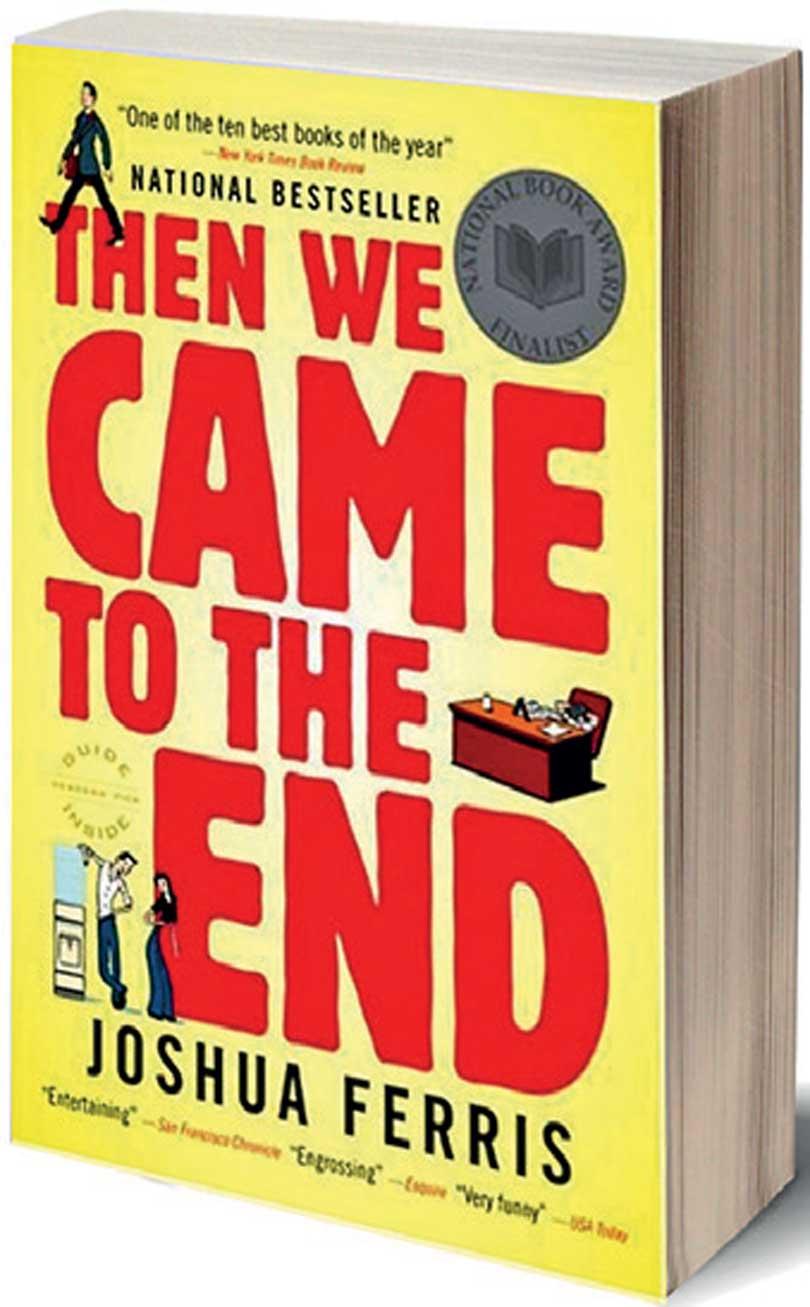
International fiction is further represented by Joshua Ferris, whose debut novel Then We Came to the End became a defining portrait of contemporary working life. A recipient of the Dylan Thomas Prize and the PEN/Hemingway Award, Ferris is known for blending satire with moral inquiry. His festival sessions explore modern alienation, faith, and the short story as a form capable of capturing fractured realities.
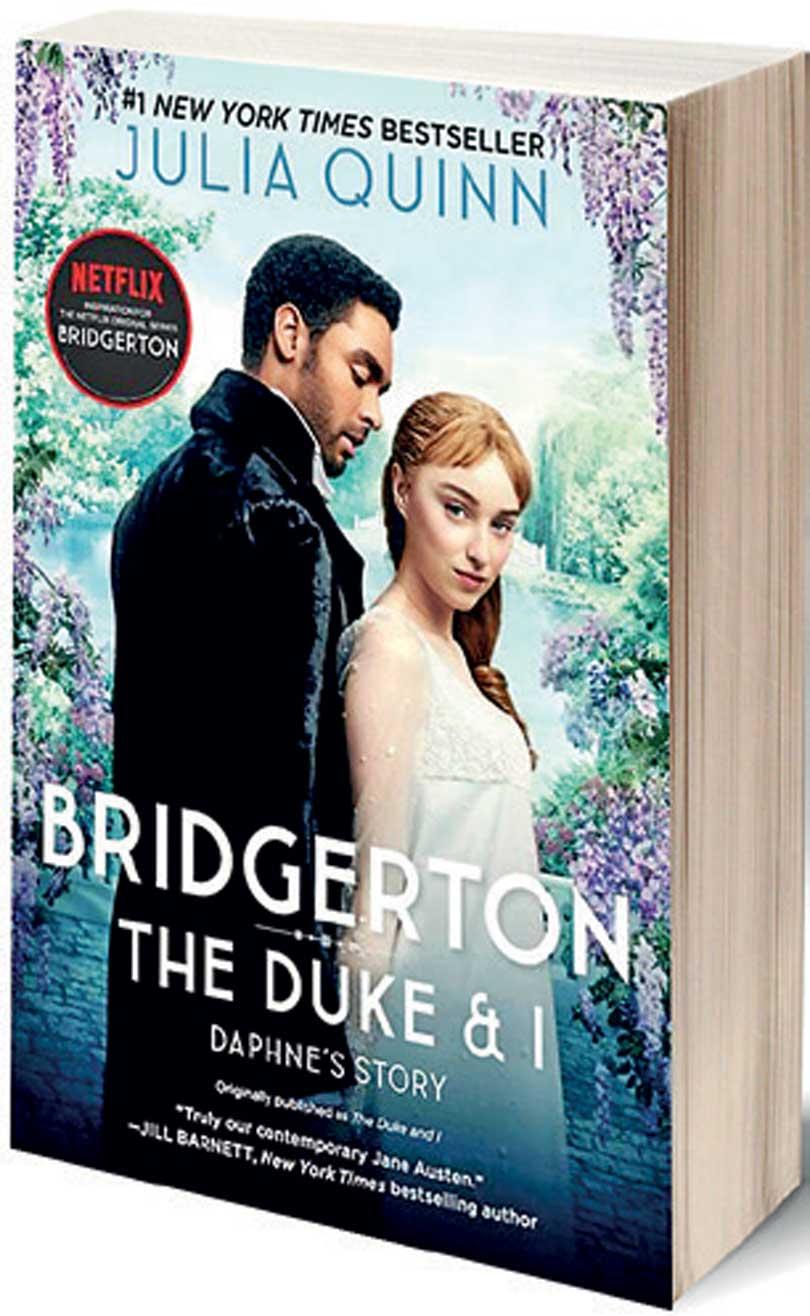
Bridging literary and popular culture is Julia Quinn, the #1 New York Times bestselling author of the Bridgerton series. With nearly forty novels to her name and the Netflix adaptation entering its fourth season in 2026, Quinn brings romance fiction into serious literary conversation. Her panels will examine writing joy, adapting novels for screen, and the endurance of genre fiction.
Cinema and theatre arrive with formidable force through Shabana Azmi, one of India’s most acclaimed actors and cultural figures. With over 140 films across parallel cinema and international productions, Azmi’s career is inseparable from her activism. A Padma Shri and Padma Bhushan awardee, she will engage in conversations on art as social intervention, women in cinema, and sustaining integrity across decades of creative work.
Joining her is Kalki Koechlin, the French-Indian actor and writer known for her fearless choices on screen and stage. From her debut in Dev.D to award-winning performances in Margarita with a Straw, Koechlin’s work consistently interrogates gender, freedom and expression. At the festival, she will discuss storytelling across forms, censorship, and women’s autonomy in the arts.
Sri Lanka’s own Nimmi Harasgama brings a deeply engaged practice spanning film, theatre and socially driven storytelling. With work across Sri Lanka and the UK—and projects addressing torture, migration and racism—Harasgama’s sessions explore trauma, memory and ethical representation.
The visual arts are powerfully represented by Jagath Ravindra and Jagath Weerasinghe, two defining figures of contemporary Sri Lankan art. Ravindra’s luminous abstractions reimagine fleeting tropical moments, while Weerasinghe’s charged visual language confronts violence, nationhood and political memory. Their conversations address the artist’s role in times of unrest and the responsibility of art to bear witness.
Public discourse finds urgency through journalists and thinkers such as Riz Razak, Murtaza Jafferjee, and Rochana Jayasinghe, whose work spans media ethics, public policy, language and performance. Their panels examine truth in the digital age, the evolution of Sri Lankan English, and the politics of storytelling.
Well-being and inner life are explored through Rujuta Diwekar, India’s leading public health advocate, and Katherine May, whose writing on slow living and neurodivergence has resonated worldwide. Their sessions promise grounded, accessible conversations about health, sustainability and humane ways of living.
Anchoring the festival in Sri Lanka’s literary tradition are writers such as Shyam Selvadurai, Ciara Mandulee Mendis, Savin Edirisinghe, Vivimarie VanderPoorten, and Seneka Abeyratne, whose work continues to challenge, expand and renew the island’s literary voice.
Together, these artists, actors and thinkers ensure that the HSBC Ceylon Literary & Arts Festival is not merely a gathering of talent, but a living, breathing conversation—one that insists art and literature remain essential to understanding who we are, where we have come from, and how we might imagine the future.