Reply To:
Name - Reply Comment
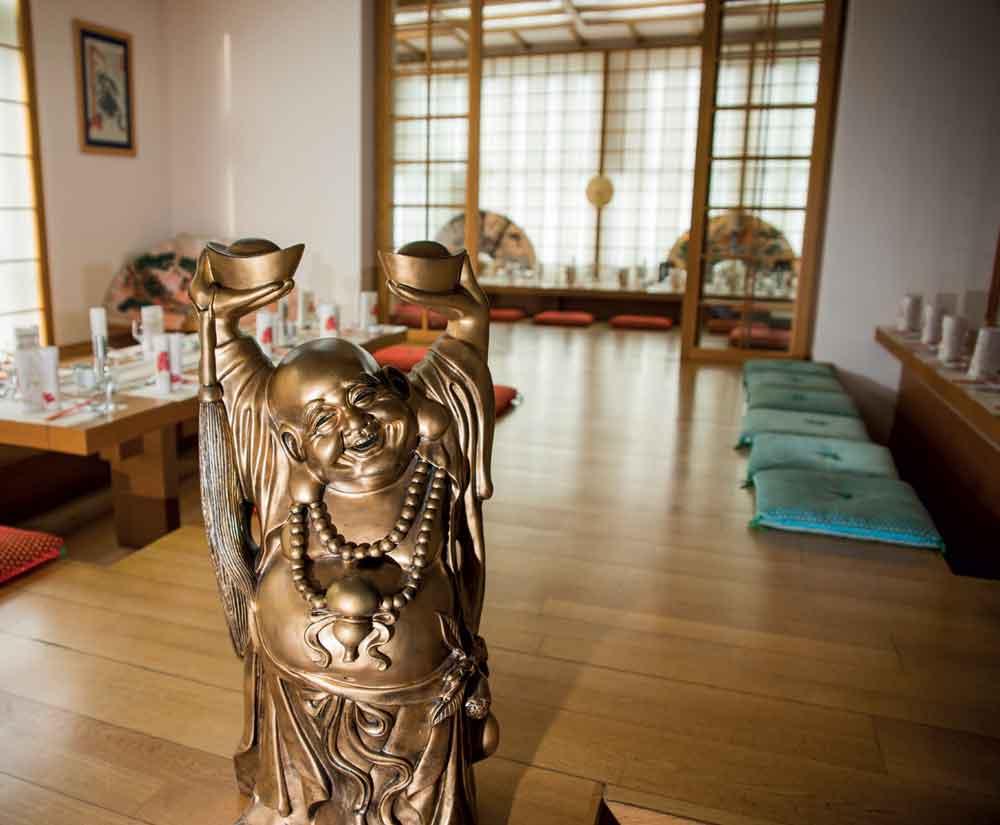
 Balance in Feng Shui refers to the presence of opposing elements such as hard and soft, dark and light, Yin and Yang. In the context of landscape Feng Shui, it suggests a harmonious integration of various natural elements, including rocks, boulders, soil types, water, and even the quality and type of vegetation. Feng Shui is, first and foremost, a tradition deeply connected to the land. The relationship between the Feng Shui practitioner and the land reflects a bond and an understanding of the flow of energy within the earth, working in harmony with it. The art of restoring energy imbalances is the essence of Feng Shui corrections.
Symmetry plays a fascinating role in Feng Shui. Perfect symmetry does not truly exist. Even the wings of a butterfly exhibit variations from one side to the other, despite being considered symmetrical. There are many types of symmetry in the universe, such as spiral symmetry, seen in DNA or the spiral pattern of a conch shell; rotational symmetry, as in a flower with petals arranged around its center; and bilateral symmetry, like the legs of a centipede. In other words, nature expects things to be in balance, making the concept of symmetry particularly important.
In the science of Feng Shui, the effects of the planets, magnetic fields, solar energy, and man-made external influences are analyzed. The internal layout of the house or office is then arranged specifically to suit and support the occupants
In the science of Feng Shui, the effects of the planets, magnetic fields, solar energy, and man-made external influences are analyzed. The internal layout of the house or office is then arranged specifically to suit and support the occupants. Furniture placement is a crucial aspect of Feng Shui; it serves as a tool to enhance the flow of life force energy, known as 'Chi.' Before selecting furniture, one must consider the room's purpose and activities. Arrangements should facilitate the smooth flow of energy and create a positive ambiance. The energy within a home must never be allowed to stagnate. Positive energy, represented by 'yang' or the color white, is essential for attracting good fortune. When Chi becomes stagnant, it invites dullness, stillness, and negativity, which, according to Chinese belief, diminishes good fortune. The speed and direction of Chi flow are equally important, necessitating careful planning of room layouts and the placement of doors and windows to ensure that Chi meanders smoothly throughout the space.
Examine the structural details, entrances, floor levels, window-to-wall ratios, door ratios, and the surrounding environment. Often, small adjustments in the orientation of furniture can create an atmosphere of clarity and certainty. When furniture or decorations are misaligned or disordered, they can evoke feelings of disorientation or being spaced out. Therefore, organizing the layout is essential to achieve positive benefits through Feng Shui. Furniture in bedroom plays a crucial role in establishing the quality of energy in the room which translates to overall harmony, good health and improved relationship. Sharp corners and edges pointing towards the bed, placing very tall cupboards and shelves in close proximity to the sleeping area are all bad Feng Shui as they over power the rooms and generate negative Chi.