Reply To:
Name - Reply Comment
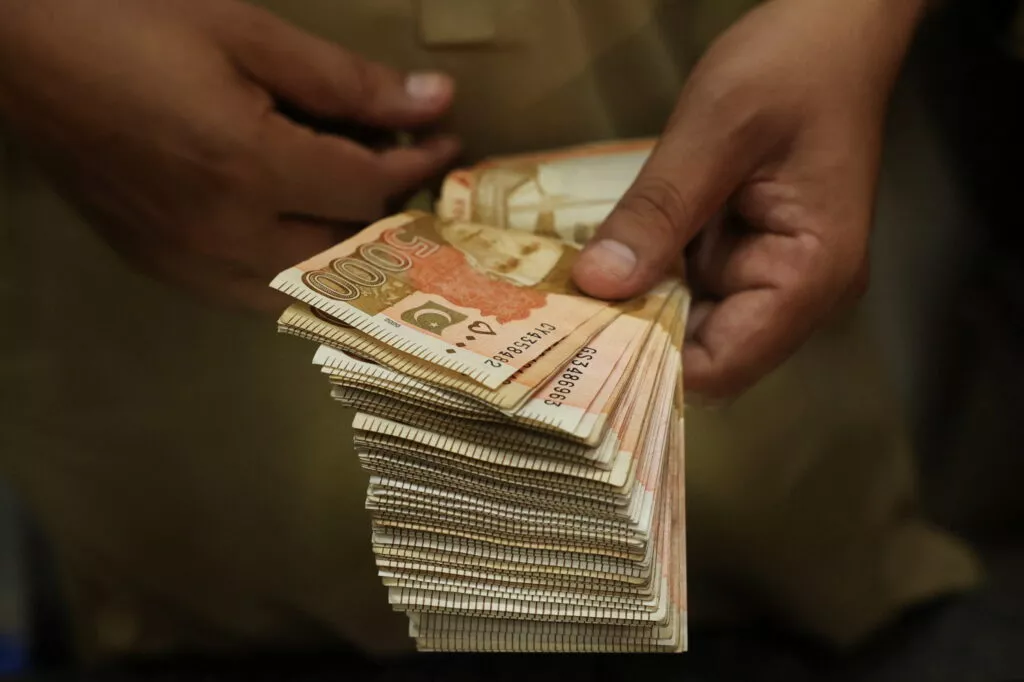 Feb 16 - The prolonged economic slowdown has had serious social consequences. Pakistan’s unemployment rate rose to 8.5 per cent in 2023, up from 6.3 per cent in 2021 and remains elevated around 8% in the recent years, reflecting the economy’s inability to generate sufficient jobs. Youth unemployment remains particularly high, intensifying social frustration and economic insecurity. Declining real wages and underemployment have reduced living standards, while rising poverty and inequality have strained social cohesion.
Reduced public spending on health, education, and social protection further threatens long-term human capital development. These social pressures weaken productivity and reinforce the cycle of slow growth, creating long-term risks for economic and political stability.
Political Instability and Policy Uncertainty
Political volatility continues to undermine economic governance in Pakistan. Frequent changes in leadership, weak institutional continuity, and delayed reforms disrupt long-term planning. Policy reversals in taxation, energy pricing, and privatization discourage both domestic and foreign investors. Structural reforms in state-owned enterprises, public finance, and the energy sector have progressed slowly, preventing efficiency gains and fiscal consolidation.
Risks to Pakistan’s economic outlook remain tilted to the downside due to domestic political uncertainty and external vulnerabilities. Without stable governance and policy consistency, reform efforts are likely to remain fragmented and short-lived.
Geopolitical Tensions and Regional Risks
Recent escalation in tensions between India and Pakistan has added a new layer of risk to an already fragile economy. Heightened geopolitical uncertainty has weakened investor confidence, triggered capital outflows, and placed additional pressure on the Pakistani rupee. Stock market sentiment has deteriorated, with foreign institutional investors adopting a cautious stance amid fears of conflict escalation.
Trade disruptions and reduced regional cooperation could further hurt Pakistan’s exports, while rising military expenditure diverts scarce fiscal resources away from development and social spending. The possibility of diplomatic isolation or sanctions would be particularly damaging given Pakistan’s heavy dependence on external financing from multilateral lenders, China, and Gulf countries. Without de-escalation and diplomatic engagement, geopolitical tensions could accelerate economic decline and disrupt all recovery efforts.
Global Headwinds and Limited Economic Buffers
The global economic environment offers limited support to Pakistan’s recovery. While global growth is projected to remain around 3.3 percent in 2026, tighter financial conditions, elevated interest rates, and trade uncertainties have reduced capital flows to emerging economies. For Pakistan, which lacks strong foreign exchange buffers and fiscal flexibility, such global headwinds amplify existing vulnerabilities. Any adverse movement in commodity prices, interest rates, or geopolitical developments can quickly translate into domestic instability.
The Road Ahead: A Foggy and Uncertain Future
Pakistan’s economy stands at a critical crossroads. While IMF assistance provides short-term stabilization, structural issues such as a narrow tax base, inefficient energy sector, weak governance, and political instability remain unresolved. The growing gap between official targets and international projections underscores the distance between policy ambition and economic reality. Without disciplined fiscal management, export-oriented industrialization, governance reforms, and political stability, Pakistan risks remaining trapped in a cycle of low growth, high debt, and recurring financial crises.
The current dwindling stage of Pakistan’s economy is not merely a temporary slowdown but a reflection of long-standing structural deficiencies and missed reform opportunities. Sustainable recovery will require bold and consistent reforms, strengthened institutions, and credible political commitment. IMF support can only provide temporary relief; long-term stability depends on domestic policy choices and effective implementation. Without decisive action, Pakistan faces the risk of prolonged economic hardship and diminished prospects for its people.